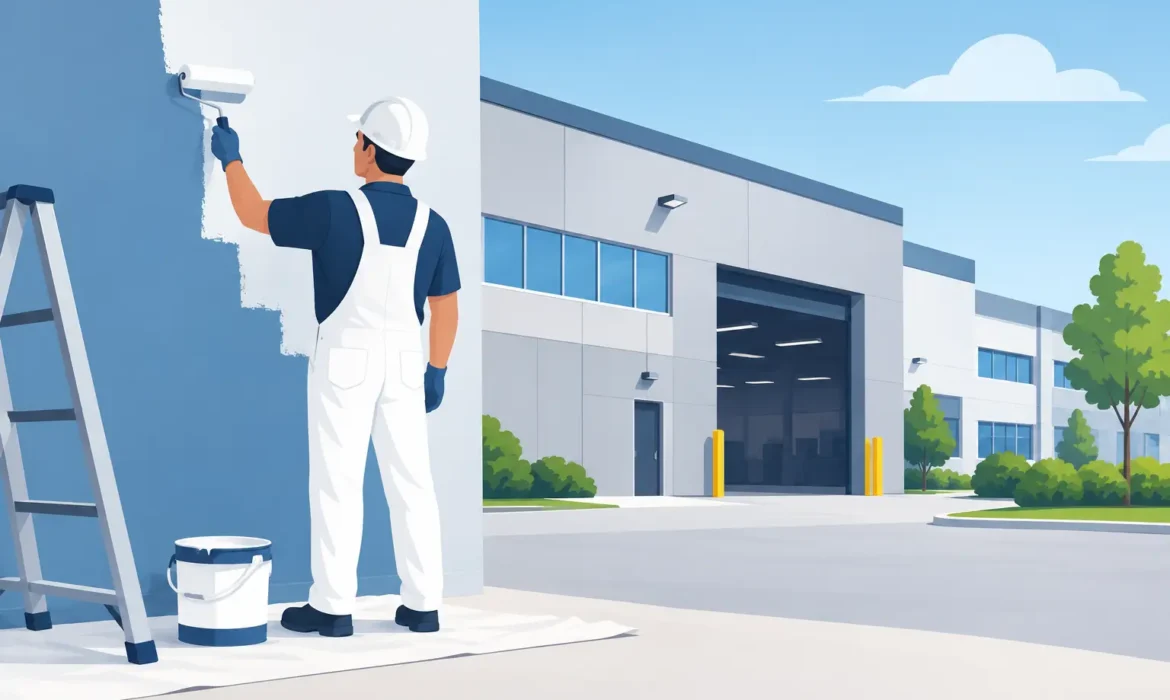
A repainting project can expose far more than tired walls. In a warehouse, plant room, office, or active commercial space, poorly planned painting services can interrupt production, create safety risks, damage equipment, and leave a facility unavailable longer than expected. The right contractor treats painting as an operational project, not simply a cosmetic task.
For Singapore businesses managing industrial assets, commercial premises, and leased offices, the objective is usually clear: improve appearance, protect surfaces, meet handover requirements, and keep disruption under control. Achieving that outcome requires proper site assessment, suitable coating selection, disciplined manpower deployment, and a work plan that respects the building’s daily operations.
When Professional Painting Services Add Business Value
Paint is a protective system as much as a finish. On concrete, steel, plaster, drywall, timber, and metalwork, the right preparation and coating can reduce deterioration caused by moisture, abrasion, chemicals, heat, and regular cleaning. The wrong system may look acceptable immediately after completion but fail prematurely through peeling, blistering, corrosion, or discoloration.
This matters most in facilities where surfaces work hard. Manufacturing sites may need durable coatings around loading areas, machinery rooms, and utility spaces. Food, healthcare, and retail environments may prioritize cleanable surfaces and controlled odor. Offices preparing for reinstatement or a new tenant need consistent finishes, careful protection of existing fixtures, and timely completion against a handover date.
Professional painting also supports property presentation. A clean, consistent environment gives employees, visitors, tenants, and clients confidence that a site is actively maintained. For employers, that can support workplace morale and help reduce the impression of deferred maintenance before it becomes a larger capital issue.
Start With the Surface and the Site Conditions
A dependable painting scope begins with a physical assessment. Before selecting a color or scheduling a crew, the contractor should identify the substrate, existing coating condition, signs of moisture intrusion, cracking, rust, mold, oil contamination, and areas exposed to heavy traffic or chemicals.
Surface preparation often determines whether a coating performs as intended. Loose paint, chalking, rust, dust, grease, and uneven repairs must be addressed before new paint is applied. Depending on the condition of the surface, this may involve washing, degreasing, sanding, scraping, patching, crack repair, rust treatment, or primer application.
The practical trade-off is time. Skipping preparation may shorten the visible project schedule, but it commonly raises the risk of early failure and repeat work. For a high-use facility, planned preparation is usually more cost-effective than returning to repair peeling paint after operations have resumed.
Moisture deserves particular attention. Painting over an unresolved leak or damp wall does not solve the underlying problem. A capable contractor should flag the condition, coordinate the necessary repair where required, and allow suitable drying time before coating work proceeds.
Coating Choice Should Match the Environment
Not every wall needs an industrial coating, and not every industrial area can rely on standard interior paint. The correct specification depends on the substrate, expected wear, cleaning requirements, environmental exposure, and the desired service life.
Standard acrylic systems may suit many office walls and low-impact commercial interiors. Higher-durability or washable coatings may be appropriate for corridors, retail areas, schools, clinics, and shared spaces. In plant rooms, workshops, loading zones, and exposed steelwork, specialized primers and protective coatings may be necessary to manage corrosion, abrasion, oils, or humidity.
Color selection is also operational. Light colors can improve visibility in work areas, while defined color bands may support wayfinding or identify equipment zones. However, businesses should confirm whether site markings, safety signage, or regulatory requirements apply before using paint as a visual control. Paint can complement a safety system, but it should not replace proper signage, barriers, or access controls.
Plan Painting Services Around Operations
The best painting projects are designed around the site, not forced onto it. A contractor should understand access restrictions, delivery routes, operating hours, sensitive equipment, ventilation limitations, tenant requirements, and work areas that cannot be taken offline.
For an occupied office, this may mean completing work after hours, in phases, or by floor. For an industrial facility, it may mean isolating a defined zone during a maintenance window while protecting machinery, stock, and electrical systems. In a retail environment, the focus may be on dust control, low-odor products, clean daily reinstatement, and completing highly visible areas before opening hours.
Clear sequencing protects productivity. Areas should be released only after surfaces are dry, debris is removed, and temporary protection is taken down safely. Where a project involves renovation, flooring, ceiling works, electrical tasks, or office reinstatement, painting must be coordinated with the wider trade schedule. Painting too early can lead to damage from later works. Painting too late can jeopardize final cleaning and handover.
A practical project plan should confirm the work boundaries, expected duration, access method, coating system, drying time, protection measures, inspection points, and responsibility for moving furniture or equipment. These details avoid the common problem of assuming that another party will manage site readiness.
Safety and Access Cannot Be an Afterthought
Painting work can involve ladders, mobile elevated work platforms, scaffolding, chemical products, confined spaces, and work near live operations. A low-risk wall repaint and a high-level industrial coating project require very different controls.
Before work starts, contractors should assess hazards and establish suitable safe work procedures. Depending on the scope, this can include work-at-height controls, approved access equipment, fall protection, exclusion zones, ventilation, personal protective equipment, material safety data review, and fire prevention measures. Areas with public or employee traffic need clear segregation so people are not exposed to wet paint, overhead work, trip hazards, or equipment movement.
Facility managers should also consider indoor air quality and occupant sensitivity. Low-odor or low-VOC products can be helpful in occupied spaces, but they do not remove the need for adequate ventilation and sensible scheduling. The appropriate decision depends on the product system, room size, airflow, and who will occupy the area after work is complete.
ProSkill Workforce Pte Ltd combines painting and refurbishment capability with a compliance-focused understanding of workplace safety, helping clients align site works with practical operational controls.
What to Expect From a Reliable Painting Contractor
The lowest quotation is not always the lowest project cost. A proposal that omits surface preparation, protection, access equipment, cleaning, or touch-up allowances may create variation costs and delays once work has started. Comparing scopes line by line is more useful than comparing a single total price.
A reliable contractor should provide a clear scope that identifies the areas to be painted, preparation requirements, proposed coating system, number of coats, exclusions, schedule, and warranty or defect rectification approach. They should be able to explain why a particular product system suits the environment rather than defaulting to the same specification for every site.
Manpower capability matters as well. Experienced painters work more efficiently, recognize substrate issues early, protect surrounding finishes, and maintain consistency across large areas. For active sites, supervisors should communicate regularly with the facility representative and escalate issues before they affect the schedule.
Quality control should include visual checks for coverage, uniformity, edge finishing, drips, patchiness, pinholes, and missed areas. On protective coating projects, the inspection process may be more technical, with attention to surface condition, primer compatibility, coating thickness, and curing requirements. The level of control should match the risk and value of the asset being protected.
Painting, Refurbishment, and Reinstatement Work Better Together
Painting is often one part of a wider facilities requirement. An office may need partition removal, patching, ceiling repairs, flooring work, and repainting before landlord handover. An industrial site may require corrosion treatment, epoxy flooring, equipment-area marking, and scheduled maintenance during the same shutdown window.
Using an integrated project approach reduces handoff gaps between trades. It also makes it easier to sequence work correctly, manage access, control site safety, and maintain one accountable point of coordination. That does not mean every project needs a large refurbishment package. For a straightforward repaint, a focused painting crew may be the most efficient option. The value comes from matching the delivery model to the actual scope.
A well-executed paint project should leave more than a fresh finish. It should leave the site protected, orderly, safe to reoccupy, and ready to support the next phase of business activity.