
Tips To Choose Manpower Outsourcing Company Singapore
Understanding Manpower Outsourcing
What is Manpower Outsourcing?
Manpower outsourcing involves delegating specific human resource functions or tasks to an external agency in Singapore that specializes in recruitment services and manpower solutions. Instead of managing recruitment, payroll processing, and workforce management in-house, companies outsource these responsibilities to a manpower outsourcing agency. This allows them to focus on their core competencies while ensuring that their staffing needs are efficiently met. Manpower outsourcing services can range from temporary staffing to long-term placements, providing businesses with a flexible and scalable workforce. A manpower outsourcing company effectively becomes an extension of the client’s HR department, sourcing talent and managing administrative tasks like payroll.
Benefits of Outsourcing Manpower
The benefits of manpower outsourcing are numerous. In particular, it offers several key advantages, including:
- Access to top talent without the burden of extensive recruitment processes.
- Significant reduction in costs associated with maintaining a full-time workforce.
Furthermore, partnering with a trusted manpower outsourcing company ensures compliance with Singapore’s labour laws, minimizing the risk of legal issues. Outsourcing recruitment also provides the flexibility to scale the workforce up or down as needed, adapting to changing business demands.
Common Misconceptions about Manpower Outsourcing
Despite its benefits, several misconceptions surround manpower outsourcing. Some believe that it leads to a loss of control over their workforce or that outsourced staff are less committed. However, a reputable manpower outsourcing company will work closely with the client to ensure that the outsourced staff are well-integrated into the company culture and are aligned with the business goals. Another misconception is that outsourcing is only suitable for large corporations. In reality, companies of all sizes can benefit from outsourcing specific functions to improve efficiency and reduce costs. The key is to find a manpower outsourcing agency that understands your specific needs and can tailor its outsourcing solutions accordingly. By addressing these misconceptions, businesses can confidently explore the advantages of manpower outsourcing.
 Criteria for Selecting an Outsourcing Company
Evaluating Outsourcing Services
When evaluating outsourcing services in Singapore, it’s critical to assess the manpower outsourcing company’s expertise in your specific industry. A reputable recruitment agency should demonstrate a deep understanding of the job roles you need to fill, ensuring they can effectively source candidates with the right skills and experience. Look for a manpower Singapore firm that offers outsourcing solutions tailor-made to your business goals and can handle various aspects of human resource management, including payroll services. Check if the outsourcing company has a proven track record of providing efficient manpower outsourcing services and access to top talent across industries.
Assessing Recruitment Agency Credentials
When assessing the credentials of a recruitment agency in Singapore, it is crucial to verify their certifications and affiliations. Ensure the manpower outsourcing provider is compliant with Singapore’s labour laws and has a strong reputation for ethical recruitment practices. A leading recruitment agency will have a wide range of staff and a robust screening process to ensure quality hire. Look for a partner that invests in continuous training and development for their recruiters, ensuring they stay updated with the latest recruitment techniques and industry trends. Partnering with a trusted manpower outsourcing company minimizes the risk of compliance issues.
Importance of Workforce Solutions
The importance of workforce solutions cannot be overstated, especially in dynamic business environments. Manpower outsourcing offers the flexibility to scale your workforce up or down based on demand, optimizing resource allocation and reducing costs. A strategic approach to manpower outsourcing involves identifying core competencies and delegating non-core functions to a manpower outsourcing agency. This enables businesses to focus on their core activities, driving innovation and growth. Effective workforce management solutions also ensure HR processes such as payroll processing and benefits administration are handled efficiently and compliantly. Businesses can enhance productivity and achieve their business goals by leveraging comprehensive staffing solutions.
Exploring Recruitment Agencies in Singapore
Top Manpower Outsourcing Companies in Singapore
Navigating the landscape of top manpower outsourcing companies in Singapore requires careful consideration of their industry expertise and track record. A leading recruitment agency should specialize in providing comprehensive outsourcing services tailored to your specific business goals. Look for agencies that demonstrate a deep understanding of the job roles you need to fill and have a proven ability to source qualified candidates efficiently. Evaluate their ability to handle all aspects of HR functions, including payroll processing and compliance with Singapore’s labour laws. A reliable manpower outsourcing company should be more than just a recruitment agency; they should be a strategic partner.
Comparative Analysis of Recruitment Services
A comparative analysis of recruitment services is essential to identify the best agency in Singapore for your needs. Consider factors such as their wide range of staff, the quality of their recruiter, and their expertise in your industry. Evaluate the manpower outsourcing agency’s screening process and their ability to ensure compliance with local labour laws. A thorough comparison should also include a review of their pricing structure and the flexibility of their outsourcing solutions. By conducting a comprehensive analysis, you can make an informed decision and choose a manpower outsourcing company that aligns with your business goals. Look for manpower singapore expertise.
Choosing the Right Agency in Singapore
Choosing the right agency in Singapore requires a strategic approach to ensure the selected manpower outsourcing company aligns with your business goals. Start by assessing your specific HR needs and determining which functions you want to outsource. Look for an agency that has a proven track record in your industry and can provide tailor-made outsourcing solutions. Verify that the recruitment agency is compliant with Singapore’s labour laws and has a robust screening process for staff. A trusted manpower provider should offer flexible staffing options, including temporary staffing and long-term placements, to meet your evolving workforce needs.
Outsourcing Solutions for Different Industries
Sector-Specific Outsourcing Needs
Different industries have unique sector-specific outsourcing needs that require specialized outsourcing solutions. For example, the healthcare industry may need manpower outsourcing for nurses and medical assistants, while the IT industry may require staff augmentation for software developers and system administrators. A recruitment agency that specializes in your industry will have a better understanding of the job requirements and can source candidates with the necessary skills and experience efficiently. When selecting a manpower outsourcing company, ensure they have a proven track record of providing outsourcing services to businesses in your sector.
Tailored Manpower Outsourcing Services
Tailor-made manpower outsourcing services are essential for businesses looking to optimize their workforce and achieve their business goals. A reputable recruitment agency will work closely with you to understand your specific needs and develop outsourcing solutions that are customized to your requirements. This may include temporary staffing for seasonal demands, long-term placements for critical roles, or project-based staff augmentation. By choosing a manpower outsourcing company that offers tailor-made outsourcing services, you can ensure that you have the right staff in place to meet your business objectives. Hire the best talent for your company.
Trends in Workforce Management
Staying abreast of the latest trends in workforce management is crucial for businesses seeking to optimize their HR practices and gain a competitive edge. One significant trend is the increasing use of technology to efficiently manage the workforce, including HR information systems and payroll services. Another trend is the growing emphasis on employee engagement and well-being, with companies investing in programs to attract and retain top talent. Manpower outsourcing is also evolving, with agencies offering more comprehensive outsourcing solutions that go beyond simple recruitment. By understanding and adapting to these trends, businesses can enhance their workforce management strategies and achieve their business goals. Scaling your business made easy.
 Maximizing the Benefits of Manpower Outsourcing
Strategies for Effective Collaboration
Effective collaboration is key to maximizing the benefits of manpower outsourcing. To achieve this, establish clear communication channels with your manpower outsourcing company and ensure that both parties have a shared understanding of your business goals. Regular meetings and performance reviews can help to address any issues promptly and maintain alignment. It’s also important to define clear roles and responsibilities for both the in-house team and the outsource staff to avoid confusion and overlap. By fostering a collaborative environment, you can leverage the expertise of your manpower outsourcing agency to drive innovation and improve efficiency. This strategic partnership can lead to better outcomes.
Monitoring and Evaluating Outsourcing Performance
Monitoring and evaluating the performance of your outsourcing services is crucial for ensuring that you are getting the desired results. Implement key performance indicators (KPIs) to track the efficiency and effectiveness of the outsource staff. Regularly review these metrics and provide feedback to the manpower outsourcing company to address any areas that need improvement. It’s also important to conduct periodic audits to ensure that the recruitment agency is compliant with Singapore’s labour laws and that all HR processes are being followed correctly. By actively monitoring and evaluating performance, you can ensure that your manpower outsourcing arrangement is delivering the expected benefits.
Future of Manpower Outsourcing in Singapore
The future of manpower outsourcing in Singapore looks promising, with more companies recognizing the value of leveraging external expertise to optimize their workforce. As technology continues to evolve, we can expect to see manpower solutions becoming even more sophisticated. This evolution will likely include:
- Increased use of automation and data analytics to improve recruitment processes and workforce management.
- A greater emphasis on specialized outsourcing services that cater to the unique needs of different industries.
There will also be a growing demand for flexible staffing options such as temporary staffing. To stay competitive, manpower outsourcing companies will need to invest in technology, develop specialized expertise, and tailor their outsourcing solutions to meet the evolving needs of businesses in Singapore.
Why Choose Proskill Workforce Pte Ltd For Manpower Outsourcing Singapore?
When it comes to manpower Singapore, Proskill Workforce Pte Ltd stands out as a leading recruitment agency. With years of experience in the industry, Proskill has a proven track record of providing efficient and reliable manpower outsourcing services. We specialize in tailor-made outsourcing solutions that cater to the unique needs of businesses across industries. Our team of experienced recruiter uses a rigorous screening process to ensure that we only hire the most qualified candidates for our clients. At Proskill Workforce Pte Ltd, we are committed to providing our clients with trusted manpower outsourcing services that help them achieve their business goals. Our compliance standards are impeccable, ensuring all labour laws are followed.
Call: +65-8833 8400
Read:
Tips To Outsource Safety Officer Singapore
Understanding WSHO in Singapore
What is a Workplace Safety and Health Officer?
A Workplace Safety and Health Officer (WSHO) is a certified safety professional appointed by an employer to oversee workplace safety and health within an organization. In Singapore, WSHOs play a crucial role in ensuring compliance with safety regulations and promoting a safe work environment. The WSHO is responsible for identifying potential hazards, developing and implementing safety programs, and conducting regular inspections to maintain safety standards. Holding a crucial position in various sectors, the WSHO ensures a safer working environment for all.
Roles and Responsibilities of WSHOs
The roles and responsibilities of a WSHO are extensive and critical for ensuring compliance and safety within a workplace. A WSHO is tasked to ensure compliance with workplace safety and health regulations, encompassing the development and implementation of safety management systems. Their duties include conducting risk assessments, developing safety procedures, and providing training to employees. Additionally, WSHOs investigate accidents, recommend corrective actions, and maintain records of safety-related activities. Depending on their area of expertise, a WSHO may also be responsible for fire safety, environmental control, and confined space safety. The WSHO must be a certified workplace safety and health officer.
Importance of WSHOs in Singapore
The importance of WSHOs in Singapore cannot be overstated, especially in industries such as engineering construction, shipyard operations, and factory management. These dedicated safety professionals play a pivotal role in ensuring compliance with stringent safety regulations, safeguarding employees’ well-being, and preventing workplace accidents. With the increasing focus on workplace safety and health, businesses are recognizing the value of hiring a team of experts or opting for outsourcing services in Singapore to fulfill their WSH requirements. A qualified WSHO can significantly reduce the risk of incidents, promote a safety culture, and contribute to the overall success of the organization.
 Benefits of Outsourcing Workplace Safety Services
Cost-Effectiveness of Outsourcing
Safety officer outsource in Singapore offers significant cost advantages for businesses. Hiring a full-time Workplace Safety and Health Officer (WSHO) or building a comprehensive EHS team can be expensive, involving salaries, benefits, and ongoing training costs. By choosing to outsource, companies can access the expertise of certified safety professionals without these overheads. EHS outsourcing services also eliminate the need for investing in specialized equipment and software for safety management. Many companies find that outsourcing services in Singapore provides a more predictable and manageable cost structure, allowing them to allocate resources more efficiently to core business activities, ensuring compliance and safety without breaking the bank.
Expertise and Specialization from Safety Officers
Engaging outsourcing services in Singapore grants businesses access to a team of specialized safety officers with diverse areas of expertise. Unlike a single in-house WSHO, an outsourced team can provide expertise in areas such as fire safety, confined space safety, environmental control, and work at heights. This access to specialized knowledge ensures that the workplace is comprehensively protected against a wide range of hazards. Furthermore, outsourcing firms often have Workplace Safety and Health Coordinators, EHS consultants, and assessors who stay up-to-date with the latest safety regulations and best practices, ensuring compliance and safety and a higher level of safety standards.
Focus on Core Business Activities
Outsourcing workplace safety and health responsibilities enables companies to focus on their core business activities and EHS goals and objectives. Instead of diverting resources and attention to managing safety programs and ensuring compliance, businesses can entrust these tasks to experienced safety professionals. This allows management and staff to concentrate on driving productivity, innovation, and growth. By outsourcing, companies can ensure compliance with safety protocols, create a safer work environment, and improve overall operational efficiency. Whether it’s a factory, shipyard, or building operations site, outsourcing allows the company to focus on their area of expertise, while the safety officer ensures compliance and safety.
Types of Workplace Safety Services Available
Fire Safety Management Services
In Singapore, fire safety is a critical aspect of workplace safety and health, and many companies outsource this specialized function to ensure compliance with stringent regulations. Outsourcing fire safety management involves engaging a qualified fire safety manager or a team of safety professionals to oversee fire prevention, detection, and suppression measures. These experts conduct fire risk assessments, develop emergency response plans, and provide fire safety training to employees. By using outsourcing services in Singapore, businesses can maintain a safe work environment, minimize fire hazards, and comply with the requirements of the Singapore Civil Defence Force (SCDF). Many factory and building operations would benefit from outsourcing such activities.
Environmental Control Officer Services
Environmental Control Officer (ECO) services are essential for maintaining workplace safety and health in Singapore, particularly in industries with significant environmental impact. Companies often outsource these services to ensure compliance with environmental regulations and promote sustainable practices. An Environmental Control Officer is responsible for overseeing environmental management systems, conducting environmental audits, and implementing pollution control measures. By engaging outsourcing services in Singapore, businesses can leverage the expertise of qualified ECOs to minimize their environmental footprint, improve resource efficiency, and maintain a healthy and safe work environment. Effective environmental control is crucial for engineering construction, shipyard operations, and even general building operations.
Assessment for Confined Spaces and Work at Heights
Confined space and work at heights pose significant risks in various industries, making it crucial to conduct thorough assessments to ensure workplace safety and health. Many companies in Singapore outsource these assessments to certified safety professionals with specialized expertise. A confined space safety assessor evaluates the hazards associated with entry into confined spaces and develops safe entry procedures. Similarly, a work at heights assessor identifies fall hazards and implements fall protection measures. By hiring a team of experts through outsourcing services in Singapore, businesses can ensure that these high-risk activities are conducted safely and in compliance with regulations. Ensuring compliance and safety is of the utmost importance. It also allows the company to improve their safety standards. Hiring a team of experts will help meet the EHS goals and objectives.
Choosing the Right Safety Officer or Coordinator
Evaluating Qualifications and Experience
When deciding to outsource or hiring a team of experts to bolster your workplace safety and health (WSH) efforts in Singapore, evaluating qualifications and experience is critical. Look for safety professionals with relevant certifications, such as a certified workplace safety and health (WSHO) designation. Prior experience in similar industries or workplace settings is also important. A strong track record of implementing effective safety protocols and reducing accidents is a key indicator of competence. Consider the area of expertise needed for your specific work environment, whether it’s fire safety, environmental control, or confined space safety, and verify that the potential outsourcing services can provide safety officers with the right skills and knowledge. The safety standards of your company are at stake, and due diligence is paramount. Make sure the prospective safety officer services have experience in building operations, engineering construction or shipyard.
Understanding Compliance with Singapore Regulations
Ensuring compliance and safety with Singapore’s safety regulations is non-negotiable, and the WSH officer services you outsource must have a thorough understanding of the local legal framework. This includes the Workplace Safety and Health Act, as well as specific regulations related to your industry. The safety professional should be knowledgeable about risk assessment requirements, permit-to-work systems, and incident reporting procedures. Furthermore, they should be able to interpret and apply changes to the regulations as they arise. The safety officer should be involved with all the processes to ensure compliance. Compliance extends to all the workplace safety and health and health and safety procedures. A deep understanding of the laws is essential for them to perform their job.
Consultancy vs. In-House Safety Officers
When deciding whether to hire an in-house WSHO or engage consultancy officer services in Singapore, consider the scale and complexity of your workplace risks. An in-house safety professional can provide dedicated attention and develop a deep understanding of your company’s culture and operations. However, outsourcing services offer access to a broader range of expertise and can be more cost-effective for smaller businesses. Consultancy firms can also provide specialized services such as risk assessments, fire safety audits, and training programs. Assess your long-term EHS goals and objectives and choose the option that best aligns with your needs and budget. In addition, you can outsource the role of workplace safety and health coordinator or safety coordinators.
 Why Choose Proskill Workforce Pte Ltd To Outsource Safety Officer Singapore?
Proskill Workforce Pte Ltd is the reliable partner when you need to outsource safety officer Singapore, offering trained safety officers who deliver cost-effective, compliant solutions across construction, marine and manufacturing sectors; our services include comprehensive risk assessments, permit-to-work management, incident investigation and customised safety programs aligned to ISO 45001 standards, ensuring workplace safety, regulatory compliance and effective risk management while providing 24/7 support and scalable resourcing to meet project timelines and reduce operational downtime.
Frequently Asked Questions about Outsourcing WSH/EHS Services
What Services Can Be Outsourced?
A wide array of workplace safety and health (WSH)/EHS services in Singapore can be outsourced, providing flexibility and expertise to businesses. These outsourced services often include a range of crucial functions, such as:
- Risk assessments and the development/implementation of safety management systems.
- Fire safety management and environmental control.
You can also outsource specialized roles such as WSHOs, Environmental Control Officers (ECOs), confined space safety assessors, and work at heights assessors. Training programs, emergency response planning, and workplace inspections are also commonly outsourced to ensure a comprehensive work environment.
How to Select an Outsourcing Service Provider?
Selecting the right outsourcing service provider in Singapore requires careful consideration. Look for providers with a proven track record, relevant certifications, and a deep understanding of local safety regulations. Check their client testimonials and case studies to assess their performance and expertise. Evaluate their range of services, pricing structure, and ability to customize solutions to your specific needs. Ensure compliance and safety by verifying their insurance coverage and safety performance. Also, look for a provider that demonstrates a commitment to continuous improvement and stays up-to-date with the latest workplace safety and health best practices. Before you decide to outsource, ensure you have all the facts.
What are the Common Challenges in Outsourcing?
While outsourcing services in Singapore offer numerous benefits, some challenges may arise. Communication gaps between your company and the outsourcing services provider can lead to misunderstandings and delays. Ensuring seamless integration of outsourced safety protocols with your existing operations requires careful planning and coordination. Maintaining compliance with changing regulations can be challenging if the provider does not stay up-to-date. It’s essential to establish clear expectations, define roles and responsibilities, and maintain open communication channels to mitigate these challenges. If the outsourcing company is unable to maintain compliance then the company is subject to a heavy fine and can be shut down. Before you choose to outsource, do your research.
FAQ:
What is wsh and how does it relate to outsourcing a safety officer in Singapore?
WSH (Workplace Safety and Health) is Singapore’s regulatory framework for managing workplace risks. When you outsource safety officer Singapore services, a qualified WSH assessor or safety officer provided by a pte ltd firm can help ensure compliance with WSHC requirements, implement safety measures on-site, and advise on building operations or works of engineering to reduce incidents and meet statutory obligations.
Why hire a fire safety manager through outsourcing services in Singapore?
Outsourcing a fire safety manager offers access to experienced professionals, including senior fire safety manager expertise, without long-term payroll commitments. These outsourced services singapore teams handle fire safety works are carried out during building operations or engineering construction, perform risk assessments, coordinate with authorities, and ensure the site has appropriate time safety procedures and committed environmental health practices.
Can an outsourced assessor support confined space and scaffold safety requirements?
Yes. An external assessor can be appointed as a confined space safety assessor and provide scaffold inspection and supervision, ensuring entry and work procedures are safe. Outsourced assessors often supply qualified safety officers who document compliance for works of engineering construction and provide on-site guidance for safe scaffold erection and safe permit-to-work systems.
How do safety coordinators provided by outsourcing services improve on-site operations?
Outsourced safety coordinators bring practical experience in managing day-to-day safety measures during building operations or works. They coordinate safety briefings, oversee working at height manager plans, maintain records for WSHC audits, and embed a commitment to environmental and operational safety throughout works of engineering construction carried out on-site.
What is the role of an EHS (environmental health and safety) officer when you outsource safety functions?
An outsourced EHS officer integrates environmental health principles with workplace safety to minimize risks and environmental impact. They develop policies reflecting commitment to environmental best practices, conduct environmental monitoring, advise on waste and emissions during operations or works of engineering, and ensure compliance with both WSH and environmental regulations.
Are outsourced working at height manager services suitable for construction and maintenance projects?
Yes. Outsourced working at height manager services singapore provide specialized planning, fall protection strategies, and rescue plans tailored to construction or maintenance. These managers ensure that teams follow entry and work protocols, proper scaffold use, and that qualified safety officers are present for high-risk activities at building operations or engineering construction sites.
How does partnering with a pte ltd company for outsourced safety officers affect compliance and costs?
Partnering with a reputable pte ltd safety firm can reduce overheads while improving compliance. These outsourcing services in singapore supply trained personnel, like senior fire safety manager or assessors, to fulfill statutory roles and avoid fines. They also allow flexible scaling of safety resources for varied project durations and works of engineering construction schedules.
What qualifications should a confined space safety assessor or senior fire safety manager have when outsourced?
Outsourced assessors and senior fire safety manager candidates should be registered or hold recognized certifications relevant to WSHC, confined space, and fire safety. Verify they have experience in building operations or engineering construction, documented track records in safety measures, and can provide on-site supervision and reports for works of engineering construction carried out at your premises.
Call: +65-8833 8400
Read:

Tips To fsm service management singapore
Understanding Field Services
What is Field Service Management?
Field service management (FSM) encompasses the processes and technologies used to manage companies’ resources in the field. It involves coordinating field technicians, scheduling and dispatching work orders, managing inventory, and ensuring seamless service delivery. Effective FSM aims to optimize field operations, improve technician productivity, and ultimately, enhance customer satisfaction. Field service management software solutions are essential tools for businesses looking to automate and streamline these processes.
Importance of Field Services in Singapore
In Singapore’s competitive market, efficient field services are vital for maintaining customer satisfaction and driving business growth. Singapore’s service businesses rely heavily on field teams to provide on-site support, maintenance, and repairs. Optimizing field service operations can lead to improved service quality, faster response times, and better customer relationship management. By adopting the best field service management practices, companies in Singapore can differentiate themselves and build long-term customer loyalty.
Key Components of FSM
Key components of FSM include several important aspects. These include:
- Work order management, involving creating, assigning, and tracking service requests.
- Scheduling and dispatch, which ensures that the right technician is sent to the right job at the right time.
Inventory management helps field technicians manage their stock efficiently, while real-time tracking provides visibility into field operations. A comprehensive FSM solution integrates these components to streamline workflows and enhance the field service management system. Integrating the FSM with a CRM (customer relationship management) and ERP enhances visibility even further.
 FSM Service Management Singapore: Software Solutions
Types of FSM Software
There are various types of field service management software solutions available in Singapore, each designed to address specific needs within field service operations. Some FSM software focuses on core areas like work order management and scheduling and dispatch, providing tools to automate these processes and enhance technician productivity. Other field management software includes comprehensive suites that integrate inventory management, asset management, and billing functionalities. The choice of FSM software often depends on the size of the service business, the complexity of its field operations, and the specific requirements for optimizing its workforce. Businesses can choose a software solution that is tailored to their needs.
Features of Effective Field Management Software
Effective field management software offers a range of features designed to streamline field operations and enhance customer satisfaction. Real-time tracking of field technicians and work orders is essential for maintaining visibility and ensuring timely service delivery. Robust scheduling and dispatch capabilities help optimize routes and assign the right technician to each service request. Integrated inventory management ensures field teams have the necessary parts and equipment. Mobile app capabilities empower field technicians with access to critical information, such as customer history and service contracts, directly from their mobile devices. Look for features that provide real-time data and enhance communication between the office and the field.
Benefits of Using FSM Software
The benefits of using FSM software in Singapore are numerous, impacting everything from profitability to customer relationship management. By automating work order management and scheduling, service businesses can significantly improve productivity and reduce operational costs. Real-time tracking and communication enhance service quality and response times, leading to greater customer satisfaction. Efficient inventory management minimizes downtime and ensures field technicians have the resources they need. Furthermore, seamless integration with CRM and ERP systems provides a holistic view of business operations, enabling better decision-making. Implementing FSM software is a strategic move for any service company looking to optimize its field service operations and gain a competitive edge. Using a field service management platform will enhance customer experience.
Scheduling and Dispatch
Best Practices for Scheduling Field Workers
Effective scheduling is crucial for optimizing field service operations. To maximize efficiency, begin by implementing a robust scheduling and dispatch system that considers technician skill sets, availability, and proximity to service requests.
Leverage field service management software to automate the scheduling process, ensuring that the right technician is assigned to the right job. Real-time visibility into technician locations and workloads is essential for dynamic scheduling adjustments. Prioritize urgent work orders and factor in travel time to streamline workflows and enhance customer satisfaction.
Automating Dispatch Processes
Automating dispatch processes can significantly improve the productivity of field teams. Implement a field service management software solution that supports automated dispatch based on predefined criteria, such as technician expertise, location, and workload. The system should seamlessly integrate with CRM and ERP systems to provide a holistic view of customer and inventory data. Automating dispatch ensures that service requests are addressed promptly and efficiently, minimizing downtime and improving service quality. Investing in a field service management app can empower field technicians to manage their schedules effectively.
Optimizing Work Orders for Efficiency
Optimizing work orders is key to maximizing the efficiency of field service operations in Singapore. Ensure that each work order contains all necessary information, including customer details, service history, and required parts. Using the field service management system to categorize work orders by priority and complexity allows for better resource allocation. Providing field technicians with mobile app access to work orders enables real-time updates and communication. Streamlining the work order management process reduces errors and improves the overall speed and accuracy of field service delivery.
Inventory Management in FSM
Managing Inventory for Field Services
Efficient inventory management is crucial for field services in Singapore. Implement a system that provides real-time visibility into inventory levels and locations, ensuring that field technicians have access to the parts and equipment they need. Regularly track and reconcile inventory to minimize discrepancies and prevent stockouts. The FSM solution should include features for managing warranties, returns, and repairs, streamlining inventory workflows. Proper inventory management reduces downtime, enhances technician productivity, and contributes to higher customer satisfaction.
Integrating ERP with Field Service Management
Integrating ERP (Enterprise Resource Planning) with field service management is essential for a holistic view of business operations. This integration provides seamless data flow between departments, ensuring that inventory, billing, and customer information are always up-to-date. With a field service management platform that integrates with ERP, service businesses can automate invoice generation, track costs accurately, and improve financial reporting. This integration streamlines business operations, enhances decision-making, and boosts overall profitability. Integrating the FSM grid with ERP can lead to better field service operations.
Tracking Inventory with GPS Technology
Leveraging GPS technology for inventory tracking can significantly enhance field service efficiency. By equipping field technicians and service vehicles with GPS devices, businesses can monitor the location of inventory in real-time. This enables faster response times, reduces the risk of lost or stolen equipment, and improves the accuracy of inventory management. GPS tracking provides valuable insights into inventory usage patterns, allowing for better forecasting and procurement planning. By adopting GPS tracking, service companies in Singapore can optimize their field service operations and provide superior service delivery.
Billing and Invoicing in Field Services
Streamlining Billing Processes
Streamlining billing processes in field services is crucial for maintaining healthy cash flow and profitability. By implementing field service management software, service businesses can automate the creation and delivery of invoices, reducing manual errors and speeding up payment cycles. The FSM software integrates with accounting systems and ensures accurate billing based on work orders, parts used, and technician labor. Mobile app capabilities enable field technicians to capture all necessary billing information on-site, reducing delays and disputes. Automating these processes with the best field service management tools enhances customer satisfaction and optimizes cash flow.
Automating Invoicing for Faster Payments
Automating invoicing processes is a game-changer for faster payments in field service operations. Field service management software can automatically generate invoices upon completion of work orders, ensuring that customers receive timely and accurate billing. The system can send invoices electronically and track payment statuses in real-time, reducing the need for manual follow-up. Integrated payment gateways further streamline the process, allowing customers to pay invoices online securely. This automation not only accelerates payment collection but also enhances the overall customer relationship, improving the field service management system.
Managing Customer Relationships through CRM Integration
Integrating a field service management system with CRM systems is essential for effective customer relationship management. This integration provides a unified view of customer interactions, service history, and billing information, enabling field teams to deliver personalized and efficient service. Field technicians can access customer data via a mobile app, empowering them to make informed decisions and address customer needs effectively. Automating customer communication and feedback collection further enhances the customer relationship. Utilizing a field service management app improves customer satisfaction and strengthens long-term customer loyalty.
 Empowering Field Workers
Training and Development for Field Workers
Investing in training and development for field workers is vital for enhancing their productivity and service quality. Implement a comprehensive training program that covers technical skills, customer service, and the use of field service management software. Provide ongoing training to keep field technicians up-to-date with the latest technologies and best practices in field operations. Empower field teams with the knowledge and skills they need to excel, resulting in improved efficiency and customer satisfaction. Leveraging training modules embedded within field service software solutions enables continuous learning.
Using Technology to Enhance Worker Productivity
Using technology to enhance worker productivity is a key aspect of optimizing field service management in Singapore. Equip field technicians with mobile devices and field management software that enable them to access work orders, service history, and inventory information in real-time. Utilize GPS tracking to optimize routes and minimize travel time, allowing technicians to complete more jobs efficiently. Implementing digital workflows streamlines communication and reduces paperwork, further boosting technician productivity. Adopting these technologies optimizes field service management app usage and leads to substantial improvements in field service operations.
Creating a Seamless Workflow for Field Operations
Creating a seamless workflow is essential for optimizing field service operations. Implement a field service management platform that integrates all key processes, from work order management and scheduling and dispatch to inventory management and billing. Automate routine tasks and provide field technicians with real-time access to critical information through their mobile devices. Ensure that all systems are seamlessly integrated with CRM and ERP solutions to provide a holistic view of business operations. By streamlining workflows and eliminating bottlenecks, service companies can improve efficiency, reduce costs, and enhance customer satisfaction. This seamless integration also boosts overall profitability, improving the best field service management practices.
Why Choose Proskill Workforce Pte Ltd For FSM Service Management Singapore?
Proskill offers an end-to-end solution and cloud-based field service management platform that empowers service businesses to streamline field service operations, automate scheduling and dispatch with a mobile fsm app, and optimize resource allocation across field teams and field technicians; the field service management software helps manage work orders, service orders, service tasks and job details while integrating CRM, inventory management, asset management and ERP so you get accurate financial management, invoice and billing automation for greater profitability.
This management solution and field management software stands out with real-time GPS tracking, workforce management, work order management, seamless workflow and management features that boost field service efficiency, enhance customer satisfaction and loyalty, and ensure uninterrupted service and consistent service quality—ideal for cleaning service providers and other service companies looking to improve service delivery, service performance and overall service operations in Singapore.
Call: +65-8833 8400
Read:

Tips To Choose Professional Service In IT Industry Singapore
Understanding the IT Landscape in Singapore
Overview of IT Services Companies in Singapore
Singapore boasts a vibrant and diverse ecosystem of IT services companies, ranging from large enterprises to smaller, specialized firms. Many act as service providers, offering a wide range of services, including software development, cybersecurity, and cloud solutions. These IT services companies cater to businesses of all sizes, providing scalable and innovative solutions to address various technological challenges. Choosing the right company specializing in your specific needs is crucial for success. It’s essential to assess the range of services offered to determine if it aligns with your current and future IT requirements.
Key Players in the Singapore IT Industry
The Singapore IT industry is populated by several key players, including established managed services providers, consulting companies, and emerging technology firms. These companies often provide both consulting services and support services. Many of these providers offer tailored solutions to drive digital transformation for businesses, including the development of custom software and mobile applications. Identifying the key players that possess the expertise and experience relevant to your industry can help ensure a successful partnership and optimal outcomes. It’s also important to consider providers offering cybersecurity services to protect valuable data.
Growth of Outsourcing IT Services in Singapore
Outsourcing IT services has experienced significant growth in Singapore as businesses increasingly seek to leverage external expertise for software solutions and operational efficiency. Many outsourcing companies provide managed IT services, allowing businesses to focus on their core competencies while entrusting their IT infrastructure to skilled professionals. From custom software development to app development, outsourcing can be a cost-effective way to access specialized skills and innovative solutions. Outsourcing IT services can also enhance business continuity and disaster recovery capabilities, ensuring data protection and minimizing downtime. Singaporean companies also seek external vendors to improve their technology solutions and modernize legacy systems.
 Criteria for Choosing a Professional Services in IT Industry Singapore
Evaluating Expertise and Experience
When selecting a professional service provider in Singapore, evaluating their expertise and experience is paramount. Look for a software development company with a proven track record of delivering successful projects. Consider the number of years the company has been operating, the range of services they offer, and the depth of their technical capabilities. A service provider with extensive experience in your industry is more likely to understand your unique challenges and provide tailored solutions that drive business growth. Don’t hesitate to ask for case studies, client testimonials, and references to validate their claims and assess their capabilities in handling projects similar to yours. The IT services companies should demonstrate a clear understanding of current technology trends and their ability to apply innovative solutions to your specific needs.
Assessing Service Offerings of Companies in Singapore
A crucial step in choosing a professional service provider in Singapore involves carefully assessing the services provided by IT services companies. Determine if they offer a wide range of services, including software development, cybersecurity, cloud services, and managed services. A solutions provider that can provide comprehensive support can be more efficient and cost-effective in the long run. Look for companies that offer tailored solutions to meet your specific needs. If you require custom software development or mobile app development, ensure the potential outsourcing companies have the necessary expertise and resources. Additionally, consider whether they offer consulting services to help you strategize and implement your IT initiatives effectively. Evaluating the service offerings will help you determine if the company aligns with your current and future requirements.
Importance of Managed Services in IT Solutions
Managed services play a critical role in modern IT solutions, providing businesses in Singapore with proactive support and maintenance for their IT infrastructure. Opting for a managed services provider can lead to improved business continuity, reduced downtime, and enhanced data protection. These IT services companies offer scalable solutions that can adapt to your evolving business needs. With managed IT services, you can focus on your core competencies while outsourcing the complexities of IT management. Look for a managed services provider that offers 24/7 monitoring, cybersecurity services, and disaster recovery capabilities. By entrusting your IT operations to a reliable managed services provider, you can ensure the smooth and efficient functioning of your technology solutions. Managed services also provide medium-sized and enterprise businesses in Singapore with access to specialized expertise and resources without the need for extensive in-house IT staff.
Outsourcing vs. In-House IT Services
Benefits of Outsourcing IT Services
Outsourcing IT services presents numerous benefits for businesses in Singapore, allowing them to access specialized expertise and innovative solutions without the overhead costs associated with maintaining an in-house team. Many outsourcing companies offer a wide range of services, from custom software development and app development to cybersecurity services and cloud solutions. For medium-sized and enterprise businesses in Singapore, this can be a cost-effective way to enhance their technology solutions and drive digital transformation. By partnering with a reputable service provider, businesses in Singapore can focus on their core competencies while entrusting their IT infrastructure and software solutions to skilled professionals. This also ensures better business continuity and disaster recovery capabilities, protecting valuable data and minimizing downtime.
Challenges in Outsourcing IT Services
While outsourcing IT services offers numerous advantages, businesses in Singapore must also be aware of the potential challenges. One common concern is maintaining effective communication and collaboration with the service provider, especially when dealing with overseas outsourcing companies. Cultural differences and time zone variations can sometimes hinder project progress and lead to misunderstandings. Another challenge involves ensuring data protection and cybersecurity, particularly when entrusting sensitive information to a third-party vendor. It is crucial to conduct thorough due diligence and establish clear contractual agreements to mitigate these risks. Additionally, businesses need to carefully manage the transition process and ensure seamless integration between their existing IT infrastructure and the outsourced solutions. Careful planning and robust project management are essential for overcoming these challenges and maximizing the benefits of outsourcing IT services.
Choosing Between Local and International Service Providers
When considering outsourcing IT services, businesses in Singapore often face the decision of whether to engage a local or international service provider. Local IT services companies offer the advantage of proximity, allowing for easier communication, face-to-face meetings, and a better understanding of the local business environment. These providers can also offer tailored solutions that align with Singapore’s regulatory requirements and cultural nuances. On the other hand, international outsourcing companies may offer lower costs and access to a wider pool of talent and specialized skills. The best choice depends on the specific needs and priorities of the business. If clear communication, real-time collaboration, and local expertise are paramount, a local service provider may be the preferred option. However, if cost savings and access to niche skills are the primary drivers, an international vendor may be more suitable.
Top Managed Services Providers in Singapore
Features to Look for in a Managed Services Provider
When seeking a managed services provider in Singapore, it’s crucial to consider several key features. Look for a provider that offers a comprehensive range of services, including proactive monitoring, cybersecurity services, and scalable solutions tailored to your business needs. A reputable managed services provider should have a proven track record of delivering reliable support and maintaining high levels of customer satisfaction. They should also demonstrate expertise in various technologies, including cloud solutions, software solutions, and data protection. Ensure the service provider offers 24/7 support and rapid response times to address any issues promptly. Additionally, consider their ability to provide strategic guidance and consulting services to help you optimize your IT infrastructure and achieve your business goals.
Case Studies of Successful Managed Services in Singapore
Examining case studies of successful managed services implementations in Singapore can provide valuable insights into the benefits and potential outcomes. Look for examples of companies that have achieved significant improvements in business continuity, data protection, and operational efficiency through managed IT services. Case studies should demonstrate how the managed services provider addressed specific challenges, such as cybersecurity threats or outdated software solutions, and delivered tangible results, such as reduced downtime and increased productivity. Analyze the strategies and technologies employed by the managed services provider and assess their relevance to your own business needs. These real-world examples can help you evaluate the capabilities of different managed services providers and make an informed decision.
Comparing Pricing and Packages Offered
Comparing the pricing and packages offered by different managed services providers in Singapore is an essential step in the selection process. Request detailed proposals from several providers, outlining the specific services included in each package and the associated costs. Pay close attention to the pricing structure, whether it’s a fixed monthly fee, a usage-based model, or a combination of both. Evaluate the value proposition of each package, considering the range of services provided, the level of support offered, and the scalability of the solution. Be wary of providers that offer suspiciously low prices, as this may indicate hidden costs or compromised service quality. Also, check if the outsourcing companies offer tailored solutions that can be customized to meet your specific budget and requirements.
 Why Choose Proskill Workforce PTE Ltd for Professional Services in IT Industry Singapore?
Proskill Workforce PTE Ltd is a technology company and trusted solutions provider based in Singapore, a service provider specializing in managed services, cloud solutions and cybersecurity services for enterprises pursuing digital transformation; services include custom software development, mobile app development and web and mobile software solutions, with scalable cloud computing and infrastructure management to ensure business continuity, disaster recovery and data protection.
As a managed services provider and software development company with a proven track record, the company provides tailored solutions and consulting services to medium-sized and enterprise businesses in Singapore, offering outsourcing IT services, managed IT services, support services and efficient services designed to drive business growth through AI-enabled, innovative solutions and security and compliance best practices. Whether you need a company in Singapore to outsource app development, custom software solutions, cybersecurity, or end-to-end technology services and consulting, Proskill Workforce delivers a wide range of services provided by experts to meet the services required by modern businesses and serve as a comprehensive services and solutions provider.
Future Trends in Singapore’s IT Services Market
Impact of AI on Professional Services
The integration of AI is set to revolutionize professional services within the Singapore IT industry, promising increased efficiency, automation, and innovative solutions. AI-powered tools can automate routine tasks, allowing professionals to focus on more strategic and creative endeavors. This shift will impact outsourcing companies, driving the need for expertise in AI development, machine learning, and data analytics. Companies in Singapore will increasingly adopt AI to enhance their software solutions, cybersecurity measures, and consulting services. The role of managed services providers will evolve to include AI-driven monitoring, predictive maintenance, and personalized support. As AI continues to mature, professional service firms must adapt to remain competitive and deliver cutting-edge solutions.
Emerging Technologies and Their Role in Outsourcing
Emerging technologies like blockchain, IoT, and augmented reality are poised to transform the outsourcing landscape in Singapore. These technologies offer new opportunities for innovation and efficiency, driving demand for specialized skills and expertise. Outsourcing companies that can offer solutions leveraging these technologies will have a competitive edge. Businesses in Singapore will increasingly look to outsource the development and implementation of these technologies to access specialized skills and accelerate digital transformation. The demand for custom software development and app development that integrates these technologies will continue to rise. As a service provider, it will be critical to stay abreast of these trends and develop expertise in emerging technologies to meet the evolving needs of businesses in Singapore.
Predictions for the Future of IT Services Companies in Singapore
The future of IT services companies in Singapore is bright, with continued growth and innovation expected in the coming years. The demand for cloud solutions, cybersecurity services, and managed services will continue to rise as businesses in Singapore increasingly rely on technology to drive growth and efficiency. AI and automation will play a significant role in transforming service delivery, enabling companies to offer more efficient and cost-effective solutions. Consolidation within the industry is likely, with larger players acquiring smaller, specialized firms to expand their service offerings. Companies in Singapore that can adapt to these trends, embrace emerging technologies, and deliver exceptional customer service will thrive in the evolving landscape. The focus will be on providing tailored solutions that address the unique needs of each client and drive measurable business outcomes for businesses.
FAQ:
What professional services in IT industry Singapore do companies typically offer?
Professional services offered by singapore it services companies commonly include custom software development, cloud computing and hosting services, infrastructure management, cybersecurity company services, managed services company offerings, consulting and managed IT solutions, web and mobile app development, and related services such as maintenance, support and security and compliance. These services are designed to provide comprehensive services and solutions and services provider teams often tailor services to industry-specific needs.
Why should businesses consider outsourcing to a managed services company based in Singapore?
Outsourcing to a managed services company headquartered in Singapore gives access to efficient services, specialized services provided by experts, and maintaining high service quality. Singapore-based IT companies and outsourcing companies can deliver managed it solutions for diverse environments, reduce operating costs, accelerate time-to-market, and ensure security and compliance through proven best practices and a presence in Singapore that helps with regional support and securing top talent.
How do I choose a top-performing software companies or solutions and services provider in Singapore?
Selecting among singapore it services companies requires evaluating company founded history, company headquartered location, portfolio of custom software solutions and web and mobile projects, client testimonials, certifications for cybersecurity and compliance, and whether the provider offers comprehensive services like infrastructure management, hosting services, and ongoing managed services. Consider a development company specializing in your technology stack and a company based on proven best practices and exceptional service.
What related services should I expect when engaging a custom software development company?
When hiring a custom software development company, related services typically include requirements consulting, UX/UI design for web and mobile, integration with cloud computing platforms, QA and testing, deployment and hosting services, ongoing maintenance, infrastructure management, and security and compliance audits. Services are often tailored to business needs and may include managed services company support for long-term operational efficiency.
How do cybersecurity company offerings fit into professional services in IT industry Singapore?
Cybersecurity company services are a top priority for singapore-based it company engagements and often include vulnerability assessments, penetration testing, managed detection and response, security architecture, compliance consulting, and incident response. Vendors may combine these with infrastructure management and cloud security for a comprehensive approach to securing systems and maintaining high service quality.
Can a company headquartered in Singapore deliver custom software solutions and maintain high service quality remotely?
Yes, many company based in Singapore and pte ltd entities deliver custom software solutions remotely while maintaining high service quality through standardized processes, remote collaboration tools, secure hosting services, and robust infrastructure management. Ensuring clear SLAs, communication plans, and adherence to best practices helps outsource relationships succeed across time zones.
What role do hosting services and cloud computing play for businesses working with Singapore-based IT providers?
Hosting services and cloud computing are central to modern technology services offered by singapore it services companies. Providers deliver cloud-native development, managed cloud infrastructure, scalable hosting services, disaster recovery, and high-availability deployments. These offerings enable efficient services, lower total cost of ownership, and flexible development and deployment for web and mobile solutions while ensuring security and compliance.
How can consulting and managed services from a solutions and services provider help accelerate digital transformation?
Consulting and managed services help organizations plan technology roadmaps, implement custom software solutions, integrate cloud computing and infrastructure management, and provide managed it solutions for diverse workloads. A solutions and services provider with presence in Singapore can bring specialized services provided by experts, help in securing top talent, and ensure services tailored to business goals, enabling faster adoption of best practices and sustained operational excellence.
Call: +65-8833 8400
Read:

Warehouse Assistant Jobs in Singapore: Opportunities and Insights
Overview of Warehouse Assistant Jobs
What is a Warehouse Assistant?
A warehouse assistant is a pivotal role in the smooth functioning of warehouse operations. The job description often involves performing daily warehouse tasks such as packing, loading, and maintaining inventory accuracy. In Singapore, many warehouse assistant jobs available entail ensuring the efficient movement of goods within the warehouse and preparing items for fulfillment. A detail-oriented warehouse assistant is highly valued, as accuracy is paramount in this role.
Importance of Warehouse Roles in Logistics
Warehouse roles are integral to the logistics industry, forming the backbone of supply chain management. In Singapore, with its strategic location and thriving economy, warehouse assistant jobs in Singapore contribute significantly to the seamless flow of goods. These roles are crucial for ensuring timely deliveries and maintaining the efficiency of warehouse operations, directly impacting the overall success of logistics companies, including MNC in the logistics industry and even smaller PTE LTD enterprises.
Types of Warehouse Assistant Positions Available
The landscape of warehouse assistant jobs in Singapore is diverse, offering various positions to suit different skill sets and preferences. From entry-level warehouse worker jobs in Singapore to more specialized roles requiring forklift operation skills, there are opportunities aplenty. Some positions may focus on packing and sorting, while others involve loading and unloading goods. A variety of roles are commonly available, including:
- Part time positions
- Midnight shift assistant roles
Positions in specific regions like Jurong and Tuas are frequently advertised, with new jobs added daily. The work environment can also vary, with some roles offering an allowance and OT pay for extended hours.
Job Description and Responsibilities
Full Job Description for Warehouse Assistants
A comprehensive job description for a warehouse assistant outlines the multifaceted nature of the role. The warehouse assistant is responsible for maintaining the efficiency of warehouse operations, ensuring that daily warehouse operations run smoothly. This includes packing and unpacking goods, loading and unloading deliveries, and managing inventory within the warehouse. The job description often highlights the need for a detail-oriented warehouse assistant, capable of accurately tracking stock and fulfilling orders. In Singapore, many warehouse assistant jobs available also emphasize the importance of adhering to safety regulations and maintaining a clean and organized work environment. New jobs added daily in Singapore often include requirements for basic computer skills and the ability to operate equipment like pallet jacks.
Key Responsibilities of a Warehouse Assistant
The key responsibilities of a warehouse assistant are diverse and crucial to the effective functioning of a warehouse. These responsibilities include loading and unloading goods from trucks, packing orders for fulfillment, and ensuring inventory accuracy. Warehouse assistant jobs in Singapore frequently involve operating machinery such as a forklift (depending on the position and experience needed), organizing the warehouse space for optimal efficiency, and conducting regular stock checks. Additionally, the warehouse assistant must adhere to safety protocols and maintain a clean work environment to prevent accidents and ensure compliance. Many jobs found in Singapore specify responsibilities such as preparing shipping documents and collaborating with other logistics team members. Working in the west region of Singapore might also require familiarity with specific local regulations.
Skills Required for Warehouse Assistant Jobs
To excel in warehouse assistant jobs in Singapore, a specific set of skills is required. Employers often seek candidates who are physically fit and capable of lifting heavy items, as the role typically involves manual handling of goods. Strong organizational skills and attention to detail are essential for accurately managing inventory and fulfilling orders. In many jobs in Singapore, proficiency in operating warehouse equipment, such as a forklift trucks, is highly valued, and often comes with an allowance or OT. Furthermore, effective communication and teamwork skills are necessary for collaborating with colleagues and ensuring smooth warehouse operations. While some entry-level warehouse worker jobs in singapore may not require prior experience needed, having a background in logistics or a related field can be advantageous. Detail-oriented warehouse assistant with a proactive attitude are often highly sought after, especially within MNC in the logistics industry, who are willing to put in the days work required. The salary package for these roles can also include a bonus for good performance.
 Work Environment and Conditions
Typical Warehouse Settings in Singapore
The typical work environment in a warehouse in Singapore can vary widely, influenced by factors such as the type of goods handled, the size of the facility, and whether it is part of an MNC in the logistics industry or a smaller PTE LTD. Generally, a warehouse assistant can expect a fast-paced, physically demanding setting. Many warehouse assistant jobs in singapore are found in areas like Jurong and Tuas. The daily warehouse operations often require standing for extended periods, loading and unloading goods, and packing orders. Ventilation and temperature control can also vary, impacting comfort levels during the days work. The cleanliness and organization of the warehouse are crucial for safety and efficiency, something that detail-oriented warehouse assistant employees maintain.
Understanding Shift Patterns: Day vs. Midnight Shift
Understanding shift patterns is crucial for those seeking warehouse assistant jobs in Singapore. When considering your options, keep in mind some key differences that can impact your decision:
- Day shifts typically align with standard business hours, offering a consistent schedule and ease of transportation.
- Midnight shift assistant roles, on the other hand, often come with a higher salary package to compensate for the unsociable hours.
Many jobs found in Singapore offer a shift allowance, and some may include OT pay for hours worked beyond the standard. The choice between day and night shifts can significantly impact your lifestyle and compensation, so carefully consider your preferences and needs when applying for jobs in Singapore. It’s essential to weigh the benefits of each shift pattern to ensure the work environment aligns with your personal circumstances.
Safety Protocols and Equipment Usage (Forklift, etc.)
Adhering to stringent safety protocols is paramount in any warehouse setting in Singapore. Warehouse assistant jobs require a thorough understanding and application of safety guidelines to prevent accidents and injuries. Equipment like forklift trucks and pallet jacks necessitate proper training and certification before operation. Personal protective equipment (PPE), such as safety shoes and gloves, are mandatory in many warehouse assistant jobs in singapore. Regular safety briefings and drills are common to reinforce safety awareness. The use of machinery requires caution and adherence to speed limits and load capacities. Prior experience needed for operating such machinery can impact the salary offered by some MNC in the logistics industry and other PTE LTD companies.
Job Post Details and Application Process
Where to Find Warehouse Assistant Jobs in Singapore
Finding warehouse assistant jobs in Singapore involves exploring various online platforms and recruitment agencies. Job portals like JobStreet, Indeed, and Monster are popular resources, frequently listing new jobs added daily. Recruitment agencies specializing in logistics and supply chain roles, such as Manpower and Adecco, can also provide valuable leads. Networking and referrals from friends or former colleagues working in the logistics industry can also uncover hidden opportunities. Keep an eye on company websites, especially those of MNC in the logistics industry, as they often post vacancies directly. Regions like Jurong, Tuas, and the west region of Singapore have a high concentration of warehouses, so focus your search accordingly. Checking for part time opportunities can also be a good starting point.
Why choose Proskill Workforce Pte Ltd to outsource a warehouse assistant in Singapore?
Proskill Workforce Pte Ltd is a hardworking partner in the logistics industry, offering warehouse assistant jobs and logistics assistant roles that support daily warehouse operations, inbound and outbound shipment handling, packing, unloading and loading, put away and inventory management including cycle counts; our services and solutions for electronic system and order fulfillment ensure operational standards are met across general warehouse and fulfillment centres, with housekeeping and warehouse organization maintained to improve efficiency. We post vacancies now with new jobs and jobs added daily — view all our warehouse assistant openings to find your ideal job at JobStreet or apply directly for warehouse worker jobs in Singapore, including part-time, mid-night shift assistant and entry-level role opportunities with a year contract or longer. Benefits include company transport to logistics industry locations, salary package and allowance, OT and performance bonus MNC in the logistics, career progression for those with prior experience or tech savvy skills, and a hands-on work environment that suits detail-oriented warehouse assistants; many positions offer 5 days work, Monday to Friday schedules, or flexible days work to suit candidates, and the full job description and job details outline experience needed, salary, bonus MNC in the logistics and specific operational tasks to perform daily warehouse operations and incoming goods processing so you can find your ideal job and apply to logistics Pte Ltd partners today.
Job Post Details: What to Look For
When reviewing job post details for warehouse assistant jobs in Singapore, several key aspects warrant attention. Carefully examine the job description to understand the specific responsibilities and requirements of the role. Pay close attention to the salary package, including the base salary, allowance, OT pay, and potential bonus. Check the location of the warehouse, especially if you are looking for jobs in a specific area like Jurong or Tuas. Determine whether the position is full-time, part time, or a mid-night shift assistant role. Also, note the experience needed and any specific skills required, such as forklift certification. Look for any mention of the work environment and the company’s commitment to safety. If possible, research the employer to understand their reputation and values.
How to Apply for Warehouse Assistant Jobs
Applying for warehouse assistant jobs in Singapore requires a strategic approach to maximize your chances of success. Begin by tailoring your resume and cover letter to match the specific requirements of the job description. Highlight relevant experience needed, skills, and qualifications that demonstrate your suitability for the role. Utilize online job portals to submit your application, ensuring all required documents are attached. Attend job fairs and recruitment events to network with potential employers and learn about available opportunities. Be prepared to undergo interviews and assessments to evaluate your skills and suitability. If the jobs found in Singapore are through an agency, maintain consistent communication with your recruiter to stay informed of the application status. Follow up with employers after submitting your application to express your continued interest. For a detail-oriented warehouse assistant role it is important to make a good impression.
Compensation and Benefits
Salary Expectations for Warehouse Assistants
The salary expectations for warehouse assistant jobs in Singapore can vary based on factors such as experience needed, the specific skills required, and the size and type of the company, whether it is an MNC in the logistics industry or a smaller PTE LTD. Generally, entry-level warehouse worker jobs in singapore may offer a more modest salary package, while roles requiring specialized skills, such as forklift operation, or those in high-demand locations like Jurong or Tuas, may command a higher rate. Logistics assistant jobs in singapore tend to offer competitive salaries. Candidates should research industry benchmarks to understand the average salary for similar positions and negotiate accordingly. The salary package can also include a bonus for good performance or other benefits.
Overtime (OT) and Allowances
Overtime (OT) pay and allowance are significant components of the compensation for warehouse assistant jobs in singapore. OT is typically offered for hours worked beyond the standard work week, providing an opportunity to increase earnings. An allowance may be provided to cover expenses such as transportation or meals, especially for midnight shift assistant positions or those located in areas like Jurong or Tuas, in the west region. When evaluating job post details, candidates should carefully review the OT policy and allowance structure to understand the full earning potential. Working a 5 days work week should be considered in regard of OT. Some jobs found in Singapore even offer performance-based bonuses in addition to OT and allowances.
Contract Types: Full-Time vs. Part-Time
Warehouse assistant jobs in Singapore are available under various contract types, and the roles can be tailored to different needs. Specifically:
- Full-time roles typically offer a fixed schedule and benefits, providing stability and security.
- Part time positions, on the other hand, offer flexibility and may be suitable for students or individuals seeking supplementary income.
The choice between full-time and part time depends on personal preferences and circumstances. Part time warehouse assistant jobs available can be a good starting point for gaining experience needed in warehouse operations, with the days work required and can be converted to full-time employment later. Also, working in a workshop assistant role can be a great start for people that want to get the experience needed to apply for warehouse assistant jobs.
Career Growth and Opportunities
Advancement Opportunities in Warehousing
Warehouse assistant jobs can serve as a stepping stone to various advancement opportunities within the logistics industry. With dedication, hard work, and a willingness to learn, a warehouse assistant can progress to roles such as team leader, supervisor, or inventory manager. Obtaining additional certifications, such as forklift licenses or supply chain management qualifications, can further enhance career prospects. Logistics assistant jobs in singapore can be the next step in the career path for a detail-oriented warehouse assistant. MNC in the logistics industry often provide structured career development programs to help employees advance within the organization. For a warehouse worker jobs in singapore, working for an MNC in the logistics industry would be a great opportunity to learn best practices and to be considered for a promotion.
Skills Development and Training for Warehouse Assistants
Warehouse assistant jobs in Singapore provide ample opportunities for skills development and training. Many employers offer on-the-job training to enhance proficiency in warehouse operations, packing, loading, and inventory management. Acquiring skills such as forklift operation can significantly increase earning potential and open doors to more specialized roles. PTE LTD and larger companies may also provide access to external training programs and certifications to improve employee capabilities. Developing skills in areas such as data analysis and process improvement can further enhance career advancement prospects. New jobs added daily often reflect the evolving skill requirements in the logistics industry.
Long-Term Career Paths in Logistics
A career as a warehouse assistant can lead to a fulfilling and rewarding long-term career path in logistics. With experience and continuous learning, individuals can advance to roles such as supply chain manager, logistics coordinator, or operations manager. The logistics industry offers diverse opportunities across various sectors, from e-commerce to manufacturing and transportation. The increasing demand for efficient supply chain management ensures a stable and growing job market for logistics professionals. Jobs in Singapore offer a pathway to a secure future, especially with the continued growth of the logistics industry. By 2026 many logistics assistant jobs in Singapore are expected to be created. New jobs added daily are pushing the innovation in the field.
Call: +65-8833 8400
Read:

Environmental Control Officer (ECO) in Singapore: Roles And Responsibilities
Role of the Environmental Control Officer
The environmental control officer is responsible for overseeing the implementation and maintenance of environmental practices within a construction site. Their role spans various areas, encompassing waste management, pollution prevention, and compliance with environmental regulations. The ECO acts as a vital link between the construction project and regulatory bodies such as the National Environment Agency (NEA), ensuring that all activities align with Singapore’s environmental standards. Furthermore, the environmental control officer actively participates in environmental management by providing education, training, and support to construction teams, to foster a culture of environmental responsibility throughout the workplace safety of the site.
Responsibilities of an ECO
The responsibilities of an environmental control officer are diverse and critical for maintaining site environmental integrity and ensuring compliance with regulatory requirements. Key duties include a variety of essential tasks, such as:
- Conducting regular inspections and audits to assess environmental performance.
- Implementing effective waste management systems.
They are also responsible for managing pest control to mitigate environmental health problems, developing and executing environmental management programmes that address specific site environmental challenges, such as pollution and vector control. Furthermore, the ECO must ensure compliance with the Environmental Public Health Act and other related regulations, reporting any non-compliance issues to the relevant authorities, to uphold good environmental practices at specified construction sites.
Importance of ECO in Construction
The importance of an environmental control officer in construction projects in Singapore cannot be overstated, especially in projects in Singapore. Their presence ensures that construction activities adhere to environmental regulations, minimizing negative impacts on the environment and public health. By implementing and managing environmental practices, the ECO helps prevent pollution, reduce waste, and control pests, contributing to a healthier and more sustainable environment. Furthermore, the environmental control officer plays a crucial role in fostering a culture of environmental responsibility within the construction industry, promoting sustainable construction practices that benefit both the environment and the community. Through their efforts, the ECO helps ensure that construction projects contribute positively to Singapore’s environmental goals and overall quality of life.
Qualifications Needed for an ECO
To become a qualified environmental control officer in Singapore, individuals must possess specific qualifications and undergo registration with the National Environment Agency (NEA). Generally, a degree or diploma in environmental science, environmental engineering, or a related field is required. In addition, prospective ECOs must complete a NEA-approved training programme focusing on environmental management, environmental compliance, and regulatory requirements specific to construction sites. This training equips individuals with the knowledge and skills necessary to effectively manage environmental health issues, assess environmental performance, and ensure compliance with environmental standards. Upon completion of the training and meeting the necessary criteria, individuals can apply for registration with the NEA to become certified environmental control officers.
 Environmental Regulations in Singapore
Overview of Environmental Laws
Singapore places a strong emphasis on environmental protection through a comprehensive framework of environmental regulations. These regulations are designed to ensure sustainability and safeguard public health by controlling pollution and promoting responsible environmental practices across various sectors, including construction. The National Environment Agency (NEA) is the primary regulatory body responsible for enforcing these environmental standards. Key legislation, such as the Environmental Public Health Act, addresses issues like waste management, vector control, and sanitation, all of which directly impact the environmental health of the nation. The stringent regulations set by the NEA and other regulatory bodies ensure compliance and promote a culture of environmental stewardship across all industries, especially at specified construction sites. These environmental practices are essential for maintaining a high quality of life in densely populated Singapore.
Compliance Requirements for Construction Sites
Construction sites in Singapore are subject to stringent environmental compliance requirements overseen by the environmental control officer (ECO). The NEA mandates that all construction projects implement robust environmental management programmes to mitigate potential environmental impacts. These programmes must address various aspects, including waste management, pollution control, and pest control. The environmental control officer plays a pivotal role in ensuring compliance with these regulations by conducting regular inspections and audits, monitoring site environmental performance, and implementing corrective actions when necessary. Furthermore, construction sites must adhere to specific guidelines for noise and dust control, water discharge, and the handling of hazardous materials. Ensuring workplace safety and environmental health is paramount. The ECO is responsible for reporting any non-compliance to the NEA, maintaining transparency and accountability throughout the construction process.
Impact of Non-Compliance
Failure to comply with environmental regulations at construction sites in Singapore can result in significant penalties. The National Environment Agency (NEA) imposes fines, issues stop-work orders, and may even prosecute companies that violate environmental standards. Beyond the legal repercussions, non-compliance can lead to negative impacts on public health and the environment. Poor waste management practices can result in pollution of waterways and soil, posing risks to human health and ecosystems. Inadequate vector control measures can lead to outbreaks of vector-borne diseases, further endangering public health. Moreover, non-compliance can damage a company’s reputation and erode public trust. The environmental control officer (ECO) plays a critical role in preventing these negative consequences by implementing effective environmental practices, ensuring compliance, and fostering a culture of environmental responsibility within the workplace safety of the construction site. By prioritizing environmental health, construction projects in Singapore can contribute to a more sustainable and healthy environment for all residents and meet the regulatory needs of specified construction sites.
Pest Control Strategies on Construction Sites
Common Pests in Construction Areas
Construction sites in Singapore, like many urban environments, can become havens for various pests if not properly managed. These pests pose significant threats to environmental health, workplace safety, and even public health. Common culprits include:
- Rodents
- Cockroaches
- Mosquitoes
- Flies
all of which thrive in environments with readily available food sources, standing water, and shelter. Poor waste management practices on construction sites can exacerbate these issues, attracting pests in large numbers. The presence of construction debris, uncovered food waste, and stagnant water provides ideal breeding grounds and feeding areas for these unwanted visitors. Addressing these pest problems requires a proactive approach, with the environmental control officer playing a central role in implementing effective pest control measures and ensuring compliance with environmental regulations.
Effective Pest Control Methods
Effective pest control on construction sites in Singapore requires a multi-faceted approach that combines preventative measures with targeted interventions. One crucial aspect is proper waste management, ensuring that all waste materials are stored in sealed containers and disposed of regularly to minimize attractants for pests. Vector control is also essential, with measures such as eliminating standing water to prevent mosquito breeding and using insecticidal treatments in targeted areas. Regular inspections and audits of the construction site can help identify potential pest hotspots early on, allowing for timely intervention. The environmental control officer (ECO) plays a key role in coordinating these efforts, working with pest control professionals to develop and implement a comprehensive pest management programme tailored to the specific needs of the construction project and ensuring compliance with the Environmental Public Health Act.
Role of ECO in Pest Management
The environmental control officer (ECO) is instrumental in maintaining effective pest management on construction sites in Singapore. Their responsibilities extend to developing and implementing a pest control programme that aligns with the National Environment Agency (NEA) guidelines and promotes environmental health. The ECO conducts regular inspections and audits to identify potential pest problems, assess the effectiveness of current pest control measures, and recommend improvements. They also collaborate with pest control service providers to implement targeted treatments and ensure that all pest control activities comply with environmental regulations and workplace safety standards. Furthermore, the ECO provides training and education to construction workers on proper waste management practices and other measures to prevent pest infestations, fostering a culture of environmental responsibility across specified construction sites. The ECO’s oversight ensures that pest control efforts contribute to a sustainable and healthy environment. Ensuring compliance is paramount to the role of the ECO.
 Why Choose Proskill Workforce Pte Ltd For Environmental Control Officers Singapore?
Proskill Workforce Pte Ltd provides experienced environmental control officers Singapore contractors and site supervisors can rely on to ensure compliance with the National Environment Agency (NEA) and the Environmental Public Health Act, offering full-time and part-time eco professionals who oversee specified construction sites and construction projects to prevent pollution, emission hazards and other environmental health issues likely to cause environmental health problems; our environmental control officer’s responsibilities include regular environmental inspections, audits, vector control and pest control to keep sites pest-free, waste management and safe disposal, preparation and submission of required reports, engagement with stakeholders and site teams, and notification on changes to ensure workplace safety and hygiene. We help contractors obtain and renew registration and certificates, follow the NEA code of practice and regulatory requirements, assess environmental performance, implement good environmental practices within the construction industry, address environmental lapses, and provide training, work experience verification and advisory services on sustainability, environmental management and best practices for projects in Singapore.
Best Practices for ECOs in Singapore
Training and Development for Environmental Officers
For environmental control officer (ECO) roles in Singapore’s bustling construction site environment, continuous training and development are paramount. To ensure compliance with the stringent environmental standards set by the National Environment Agency (NEA), ECOs must undergo regular training sessions that cover the latest environmental compliance practices and regulatory updates. These programmes should include aspects of environmental management, such as waste management strategies, pollution control techniques, and effective vector control methods. Moreover, ECOs must also be trained on how to conduct thorough site environmental audits, assess environmental performance, and implement corrective actions when necessary. Investing in comprehensive training ensures that ECOs are well-equipped to handle environmental health issues and promote good environmental practices across all specified construction sites in Singapore, fostering sustainability and workplace safety. This constant improvement helps uphold public health standards in construction projects throughout Singapore.
Monitoring and Reporting Procedures
Effective monitoring and reporting procedures are critical components of an ECO’s responsibilities on any construction site in Singapore. The environmental control officer (ECO) must conduct regular inspections and audits to assess environmental performance and identify any potential environmental health problems. These inspections should cover various aspects, including waste management practices, pollution control measures, and vector control programmes. The ECO should maintain detailed records of their findings, including any instances of non-compliance with environmental regulations and the corrective actions taken. Furthermore, the ECO is responsible for submitting regular reports to the National Environment Agency (NEA), providing updates on the site’s environmental performance and compliance status. Transparency and accountability in monitoring and reporting are essential for ensuring compliance with environmental standards and promoting sustainability across construction projects in Singapore.
Case Studies of Successful ECO Initiatives
Examining case studies of successful ECO initiatives provides valuable insights into effective environmental management practices on construction sites in Singapore. One such example involves an environmental control officer implementing a comprehensive waste management programme that significantly reduced waste generation and improved recycling rates. The ECO conducted regular training sessions for construction workers on proper waste segregation techniques, resulting in a substantial decrease in the amount of waste sent to landfills. Another case study highlights an ECO who successfully implemented a vector control programme, effectively eliminating mosquito breeding sites and preventing outbreaks of vector-borne diseases. This initiative involved regular inspections of the site to identify and eliminate standing water, as well as the use of environmentally friendly larvicides. These case studies demonstrate the critical role of the ECO in promoting environmental health, ensuring compliance with environmental standards, and fostering sustainability across construction projects in Singapore. They serve as models for good environmental practices and inspire innovation in environmental management within the industry.
Call: +65-8833 8400
Read:

Outsource WSH/EHS Workplace Safety Officer (WSHO) Services in Singapore
In Singapore, maintaining a safe and healthy workplace is not just a legal requirement but a moral imperative. Many companies are turning to outsource Workplace Safety Officer Singapore (WSHO) services to ensure compliance and enhance their workplace safety and health programs.
Introduction to Outsourcing Workplace Safety and Health Services
Importance of Workplace Safety in Singapore
In Singapore, workplace safety is paramount. Ensuring a secure work environment protects employees and minimizes risks. Strict enforcement of safety standards and proactive safety measures are crucial for compliance. Focusing on workplace safety and health helps prevent accidents and promotes a healthier, more productive workforce.
Benefits of Outsourcing WSHO Services
Outsourcing WSHO services provides numerous advantages, including access to specialized expertise and ensuring compliance with the latest regulations. It allows companies to focus on their core business while certified safety professionals manage workplace safety and health. Cost-effectiveness and improved safety outcomes are also significant benefits of outsourcing services in Singapore.
Overview of WSHO Roles and Responsibilities
The Workplace Safety and Health Officer (WSHO) plays a vital role in maintaining a safe work environment. Their responsibilities are diverse and critical, including:
- Developing and implementing safety protocols
- Conducting risk assessments
- Ensuring compliance with WSH regulations
WSHOs also oversee safety training and incident investigations, contributing to a safer workplace.
Understanding the Role of Workplace Safety and Health Officers
Key Functions of a Workplace Safety and Health Officer
A Workplace Safety and Health Officer’s key functions are varied and vital for maintaining a safe working environment. These responsibilities include:
- Developing and implementing safety management systems.
- Conducting regular workplace inspections and identifying potential hazards.
- Ensuring compliance with safety regulations.
- Providing safety training.
- Investigating incidents to prevent recurrence.
The WSHO plays a crucial role in promoting a culture of safety.
Qualifications and Certifications Required
To become a certified Workplace Safety and Health Officer (WSHO) in Singapore, individuals must meet specific qualifications and obtain the necessary certifications. This typically includes completing a WSHO course approved by the Ministry of Manpower and possessing relevant experience in workplace safety and health. These qualifications ensure competence in managing workplace risks.
Differences Between Safety Officers and Health Officers
While both safety officers and health officers focus on workplace well-being, their primary areas of expertise differ. Safety officers mainly concentrate on preventing accidents and injuries through hazard identification and risk management. Health officers, on the other hand, focus on occupational health issues, such as exposure to hazardous substances and promoting employee wellness in the work environment.
 Types of Outsourced WSH/EHS Services
Environmental Control and Compliance Services
WSH/EHS services often includes environmental control and compliance. Environmental control officers focus on maintaining air and water quality, managing waste disposal, and ensuring adherence to environmental regulations. This area of expertise is critical for industries like engineering construction and shipyard
building operations where environmental impact is significant. By outsourcing services, companies ensure compliance with stringent environmental laws, avoiding costly penalties and promoting sustainability.
Fire Safety Management Services
for fire safety management involves hiring a fire safety manager who can develop and implement fire safety protocols, conduct fire drills, and ensure compliance with the Singapore
fire safety regulations. These services in Singapore help organizations minimize the risk of fire incidents, protect their employees and assets, and maintain compliance with legal requirements. The fire safety manager can oversee all aspects of fire safety.
Confined Space and Working at Heights Assessments
High-risk activities such as confined space entry and working at heights require specialized safety measures. Outsourcing these assessments involves engaging certified safety professionals like a confined space safety assessor and work at heights
assessor to identify hazards, implement safety protocols, and ensure compliance with regulations. These assessor services in Singapore help minimize the risk of accidents and injuries in hazardous environments, promoting a safer workplace for employees. Properly maintained scaffolding is essential for such operations.
Choosing the Right Outsourcing Partner in Singapore
Criteria for Selecting a WSHO Service Provider
When selecting a WSHO service provider in Singapore, a few key aspects warrant careful consideration. Specifically, you should evaluate:
- Their experience, qualifications, and track record.
- The comprehensiveness of their services, which should include risk assessments, training, and incident investigations.
Also, ensure compliance with MOM requirements. Check client testimonials and references to gauge their reliability. The provider’s ability to customize services to your specific needs is also crucial. Ultimately, the goal is to find a partner who can improve your workplace safety and health outcomes.
Evaluating the Expertise of Safety Coordinators
When outsourcing services, it’s essential to evaluate the expertise of safety coordinators. Verify their qualifications, certifications, and experience in relevant industries. A competent workplace safety and health coordinator should demonstrate a thorough understanding of WSH regulations and best practices. Assess their ability to conduct risk assessments, implement safety protocols, and provide effective training. Their communication and problem-solving skills are also critical for promoting a safe work environment within your organization. Hiring a team of experts may prove beneficial for complex EHS challenges.
Understanding Service Level Agreements (SLAs)
A Service Level Agreement (SLA) is a critical component of outsourcing services for WSH/EHS. The SLA should clearly define the scope of services, performance metrics, and responsibilities of both the outsourcing provider and the client. Key elements include response times for incidents, reporting requirements, and compliance standards. A well-defined SLA helps ensure compliance, manage expectations, and provide a framework for continuous improvement in workplace safety and health performance. The SLA can also align with the company’s EHS goals and objectives.
Why Choose Proskill Workforce Pte Ltd To Outsource Safety Officer Singapore?
Choosing Proskill Workforce Pte Ltd to outsource safety officer Singapore ensures your business benefits from licensed and experienced safety officers who understand local Workplace Safety and Health (WSH) regulations, deliver cost-effective compliance solutions, and provide comprehensive risk management and on-site training tailored to your industry; with flexible engagement models, rapid deployment, regular audits, and proactive incident prevention strategies, Proskill helps maintain safe work environments while reducing administrative burden and allowing your team to focus on core operations.
Case Studies of Successful WSH/EHS Outsourcing in Singapore
Industry-Specific Examples
Singapore has seen successful WSH/EHS outsourcing services across various industries. For example, the engineering construction sector has benefited from outsourcing to certified safety professionals who ensure compliance with stringent safety standards on construction sites. Building operations companies outsource services for environmental control and fire safety. These industry-specific examples demonstrate how outsourcing services in Singapore can lead to improved workplace safety and health outcomes.
Impact on Workplace Safety and Health Outcomes
The impact of WSH/EHS outsourcing on workplace safety and health outcomes in Singapore is significant. Companies that outsource services often experience a reduction in workplace accidents and injuries. By engaging certified safety professionals and environmental control officers, organizations can improve their safety protocols, enhance training programs, and ensure compliance with WSH regulations. Outsourcing allows businesses to focus on their core operations while safety officer services manage workplace risks effectively.
Lessons Learned and Best Practices
Several lessons have been learned from successful WSH/EHS outsourcing in Singapore. One key takeaway is the importance of selecting a reputable provider with a proven track record. Clear communication, well-defined SLAs, and regular performance reviews are essential for a successful partnership. It’s crucial to ensure compliance with local regulations and continuously improve safety protocols. Companies can also benefit from hiring a team of experts to oversee complex projects or provide specialized services, such as a confined space safety assessor.
 Conclusion and Future Trends in WSH/EHS Outsourcing
Emerging Trends in Workplace Safety and Health
Emerging trends in workplace safety and health in Singapore include a greater emphasis on proactive risk management and technology-driven safety measures. There is also a growing focus on employee well-being, with companies implementing wellness programs and addressing mental health concerns. Integrated WSH management systems are becoming more prevalent, combining safety and health aspects for a holistic approach. Outsourcing services are adapting to these trends by offering specialized solutions that address these emerging needs. This might include consultancy for EHS program development.
Future of Outsourcing WSH Services in Singapore
The future of outsourcing WSH services in Singapore looks promising, with increasing demand for specialized expertise and flexible solutions. As businesses face evolving WSH challenges, they are likely to rely more on outsourcing to ensure compliance and improve safety outcomes. Advancements in technology, such as AI and IoT, will also play a role in enhancing WSH services. Outsourcing providers will need to stay updated with the latest trends and offer innovative solutions to meet the changing needs of their clients.
Final Thoughts on Improving Workplace Safety
Improving workplace safety requires a collective effort from employers, employees, and WSH professionals. By prioritizing safety, investing in training, and implementing effective safety protocols, organizations can create a safer and healthier work environment. Outsourcing can be a valuable tool for enhancing WSH capabilities, but it’s essential to choose the right partner and ensure compliance with regulations. Ultimately, a strong safety culture is key to preventing accidents and promoting employee well-being throughout Singapore.
FAQ:
What does a fire safety manager do when you outsource safety officer Singapore?
A fire safety manager in an outsourcing arrangement is responsible for developing fire prevention plans, conducting risk assessments, coordinating fire drills, ensuring fire safety works are carried out to regulatory standards, and liaising with authorities. Outsourcing services allow companies to access qualified safety officers on-site or remotely to ensure workplace safety across building operations or works of engineering construction and to help your company maintain compliance and safety.
How can an environmental control officer support my project through outsourcing services in Singapore?
An environmental control officer monitors environmental health, enforces pollution controls, manages waste and emissions, and ensures a commitment to environmental best practices. By engaging ehs outsourcing services or consultancy from a Pte Ltd provider, you gain specialist oversight for operations or works of engineering, helping to ensure workplace safety while meeting regulatory standards and reducing environmental risk.
When should we appoint an assessor as part of ehs outsourcing services?
An assessor should be appointed early during project planning or before high-risk activities commence—especially for building operations or engineering construction. Assessors conduct hazard identification, risk assessments, and competency evaluations of qualified safety officers to ensure time safety, adherence to WSHC codes, and that works are carried out safely throughout the project lifecycle.
What responsibilities fall under an ehs officer in outsourced officer services?
An EHS officer in outsourced officer services is responsible for overseeing health and safety programs, incident investigations, training, permit-to-work systems, working at height manager coordination, and ensuring compliance with statutory requirements. Outsourcing services in Singapore can provide on-site EHS personnel to monitor building operations, vessels are constructed safely, and that scaffolding and scaffold-related works meet regulatory standards.
Can a consultancy provide a confined space safety assessor and how do they ensure compliance?
Yes, a specialist consultancy can supply a confined space safety assessor who performs entry risk assessments, develops safe systems of work, issues permits, and trains entry teams. Consultancies offering ehs outsourcing services will ensure workplace safety by aligning confined space procedures with regulatory standards and WSHC guidance, helping your company meet legal obligations and manage confined space hazards effectively.
How do outsourcing services help with scaffold and working at height manager duties?
Outsourcing services can supply experienced scaffold supervisors and a working at height manager to plan, inspect, and certify scaffolding, control fall hazards, and implement rescue plans. These services ensure scaffold installation during building operations or works of engineering is safe, that qualified safety officers verify competency, and that all activities comply with relevant regulatory standards and WSHC requirements.
What value does a senior fire safety manager bring when you outsource safety officer Singapore?
A senior fire safety manager brings strategic oversight, experience with complex sites, and the ability to coordinate multi-disciplinary teams across construction and building operations. They ensure fire safety works are carried out in line with codes, mentor on-site staff, develop emergency response plans, and act as the primary liaison with regulators to ensure compliance and safety across the organization.
How do outsourced WSHC officer services improve workplace safety and regulatory compliance?
Outsourced WSHC officer services offer specialist knowledge of the Workplace Safety and Health Council (WSHC) requirements, regular audits, training programs, and monitoring to reduce incidents. By providing qualified safety officers, on-site support, and consultancy-driven improvements, these services help your company ensure workplace safety, streamline compliance reporting, and demonstrate a commitment to environmental health and responsible operations. So, you can choose us for a safety officer outsource in Singapore.
What does a fire safety manager do when you outsource safety officer Singapore services?
When you outsource safety officer Singapore tasks, a fire safety manager is responsible for developing fire prevention strategies, conducting risk assessments, overseeing fire safety works are carried, arranging drills and training, and ensuring regulatory standards are met. Outsourcing these services singapore allows your company to access qualified safety officers and a senior fire safety manager on-site or via consultancy to help your company ensure workplace safety across building operations or works of engineering construction.
How can an environmental control officer help ensure workplace safety and environmental health?
An environmental control officer focuses on environmental health, monitoring emissions, waste handling and compliance with environmental regulations. By using ehs outsourcing services or consultancy, the environmental control officer supports your commitment to environmental protection and helps your company maintain regulatory standards during operations or works of engineering.
When is it necessary to hire an assessor or confined space safety assessor through outsourcing services?
Hire an assessor, and specifically a confined space safety assessor, when your projects involve pits, tanks or any vessels are constructed that require entry for inspection, maintenance or repair. Outsourcing services in singapore provides qualified safety officers and assessors who can perform confined space risk assessments, issue safe work permits and ensure compliance with wshc and other regulatory standards.
What are the benefits of engaging ehs outsourcing services or a consultancy for building operations or engineering construction?
Engaging ehs outsourcing services or a specialised consultancy reduces administrative burden, provides access to senior fire safety manager expertise, assessor and environmental control officer roles, and ensures workplace safety through consistent monitoring. These services singapore help your company meet regulatory standards for building operations or engineering construction and offer time safety efficiencies by deploying experienced personnel on-site.
How do officer services and officer outsourcing support works of engineering construction projects?
Officer services provide designated personnel responsible for overseeing health and safety, including working at height manager and scaffold coordination. Outsourced officer services ensure that qualified safety officers are present to manage on-site risks, supervise contractors, and implement safe systems of work, helping to ensure workplace safety during building operations or works.
What should you expect from a senior fire safety manager provided by a Pte Ltd consultancy?
A senior fire safety manager from a Pte Ltd consultancy will be responsible for overseeing strategic fire safety planning, conducting complex fire risk assessments, liaising with authorities, and ensuring fire safety works are carried out to regulatory standards. Their role supports your company’s commitment to environmental and personnel safety while providing leadership for on-site teams and integration with wshc requirements.
Can outsourcing services include working at height manager and scaffold supervision?
Yes, outsourcing services in singapore commonly include a working at height manager and scaffold supervision as part of comprehensive officer services. These roles are essential for ensuring working at height safety, implementing fall protection systems and verifying that scaffolding and related equipment meet regulatory standards to ensure workplace safety during construction activities.
How do outsourced health and safety services help your company ensure compliance and safety across multiple sites?
Outsourced health and safety services centralise expertise, standardise procedures and deploy qualified safety officers to multiple locations, helping to ensure compliance and safety consistently. A consultancy offering ehs outsourcing services can provide assessors, environmental control officers and senior fire safety manager support to maintain regulatory standards and coordinate building operations or works of engineering across sites.
What documentation and on-site support should be included when you outsource safety officer Singapore roles?
When outsourcing, ensure the provider delivers risk assessments, permit-to-work systems, inspection reports, training records and incident management procedures. On-site support should include qualified safety officers, assessors for confined spaces, scaffold and working at height managers, and regular audits to confirm that fire safety works are carried out and that your organisation meets regulatory standards and the wshc requirements.
Call: +65-8833 8400
Read:

Tips To Choose IT Professional Service Singapore
In today’s fast-paced digital landscape, businesses in Singapore rely heavily on technology to maintain a competitive edge. However, managing complex IT infrastructure can be a significant challenge, especially for small and medium-sized enterprises. This is where IT professional services come into play, offering expert assistance to streamline operations, enhance cybersecurity, and drive digital transformation. Selecting the right IT service provider is crucial for achieving your business goals and ensuring long-term success. This guide provides essential tips to help you make an informed decision when choosing an IT professional service in Singapore.
Understanding IT Professional Services in Singapore
Definition of Managed Service Providers
A managed service provider (MSP) is a company that remotely manages a customer’s IT infrastructure and end-user systems. These managed IT service arrangements typically involve a contractual agreement that defines the services provided, performance metrics, and pricing. A managed service provider in Singapore offers proactive monitoring, maintenance, and support, ensuring optimal system performance and minimizing downtime. Many businesses in Singapore outsource their IT needs to managed service providers to gain access to specialized expertise and focus on their core competencies. A reputable managed services company offers scalable solutions tailored to the specific needs of each client.
Types of IT Services Offered
IT professional services encompass a wide array of offerings designed to support businesses in Singapore with their technology needs. These services include managed service, consulting services, cybersecurity solutions, cloud services, and disaster recovery planning. Services in Singapore also extend to network management, data backup, help desk support, and IT infrastructure optimization. A reliable service provider in Singapore should offer a comprehensive suite of services that align with your business requirements and provide end-to-end support. Digital transformation is a key area, helping businesses integrate new technologies and improve workflow efficiency.
Benefits of Hiring a Service Provider in Singapore
Hiring an IT service provider in Singapore offers numerous advantages, primarily focusing on enhancing business continuity and improving overall IT efficiency. By outsourcing IT management, businesses in Singapore can reduce operational costs, improve cybersecurity posture, and gain access to specialized expertise they might not have in-house. A professional service ensures that technology solutions are aligned with business goals, driving innovation and competitive advantage. Furthermore, engaging a reliable service provider like Win-Pro Consultancy Pte Ltd or Techease Solutions Pte Ltd, both headquartered in Singapore, ensures high-quality service delivery and peace of mind.
Identifying the Right IT Service Provider
Criteria for Selecting a Professional Service Provider
When selecting a professional service provider in Singapore, several criteria should be considered to ensure a successful partnership. Crucially, you’ll want to evaluate the following aspects of the potential provider:
- The service provider’s expertise and experience in your industry are paramount.
- Look for a company in Singapore with a proven track record of delivering high-quality services and achieving measurable results for similar businesses in Singapore.
Assess their technical capabilities, certifications, and partnerships with leading technology vendors. A provider in Singapore should also demonstrate a deep understanding of cybersecurity threats and compliance requirements relevant to your industry. Ensure that the service provided aligns with your business goals and offers scalable solutions to accommodate future growth. Additionally, consider their service delivery model, response times, and customer support capabilities.
Evaluating Managed Service Provider Options
Evaluating managed service provider options requires a thorough assessment of their service offerings, expertise, and customer satisfaction. Start by examining the range of managed IT services they provide, ensuring it covers your business’s specific needs. When assessing their offerings, consider aspects such as:
- Whether they offer proactive monitoring and maintenance to minimize downtime and ensure business continuity.
- If their expertise demonstrates a strong understanding of the Singapore business landscape and relevant regulations.
Review client reviews and testimonials to gauge their reliability and service delivery quality. Request case studies or references to validate their claims and assess their experience with similar projects. Evaluate their pricing model and ensure it aligns with your budget and offers transparency.
Questions to Ask Potential Providers
Engaging with potential service providers in Singapore requires asking the right questions to ensure they align with your business needs. It’s vital to inquire about several key aspects, including:
- Their approach to cybersecurity and data protection.
- Their compliance with local regulations.
Additionally, clarify the scope of services included in their managed service packages and any additional fees for support services. Understand their service level agreements (SLAs) and response times for resolving issues. Seek information about their team’s qualifications, certifications, and ongoing training programs. Ask for client reviews or references to validate their claims. Inquire about their disaster recovery and business continuity plans. Finally, understand their strategy for digital transformation and how they can help businesses in Singapore leverage cloud solutions to improve workflow and efficiency. Consulting services and managed services and it strategy need to be reviewed.
Why Choose Proskill Workforce Pte Ltd For It Professional Service Singapore?
Proskill Workforce Pte Ltd is a singapore-based company in singapore and a trusted managed service provider offering high-quality managed it services and consulting services to businesses in singapore and enterprises across the region; as a professional service and service provider in singapore, the company delivers cloud services and cloud solutions, cybersecurity and disaster recovery for business continuity, scalable solutions for digital transformation, remote it support and helpdesk support, proactive support teams, outsourcing services and managed services and IT strategy consulting—services designed to help businesses with efficient service processes, service delivery and workflow optimization, backed by a strong track record, verified reviews and a commitment to being the right IT service provider for enterprises seeking reliable, enterprise-grade technology solutions.
Consulting Services: What to Expect
Role of Consultants in IT Management
Consulting services play a vital role in IT management for businesses in Singapore, providing expert guidance and support to optimize technology infrastructure and processes. A consultant brings specialized knowledge and experience to help businesses in Singapore align their IT strategy with their overall business goals. The role of a consultant often includes assessing current IT systems, identifying areas for improvement, and recommending technology solutions that enhance efficiency and reduce costs. Many professional service providers offer consulting services as part of their managed service packages, providing ongoing support and guidance. By leveraging consulting services, businesses in Singapore can make informed decisions about technology investments and ensure that their IT infrastructure is aligned with their strategic objectives, improving business continuity. A managed services and IT strategy consultant can also advise on cybersecurity best practices.
How Consulting Services Help Businesses
Consulting services help businesses in Singapore in numerous ways, primarily by offering specialized expertise and objective insights that may not be available in-house. Consulting services can assist with digital transformation, helping businesses in Singapore adopt new technologies and cloud solutions to improve workflow and enhance competitiveness. A service provider in Singapore offering consulting services can also help businesses optimize their IT infrastructure, reduce costs, and improve cybersecurity posture. The consultant assesses current IT systems, identifies areas for improvement, and recommends scalable technology solutions tailored to the specific needs of each client. Furthermore, consulting services can help businesses in Singapore develop disaster recovery plans and business continuity strategies to minimize downtime and ensure uninterrupted operations. Consulting services and IT strategy are vital for businesses in Singapore.
Outsourcing vs. In-House IT Management
When deciding between outsourcing IT management and maintaining an in-house team, businesses in Singapore must consider several factors, including cost, expertise, and scalability. Outsourcing to a managed service provider in Singapore offers access to specialized expertise and scalable technology solutions without the overhead costs of hiring and training in-house staff. Managed service arrangements also provide proactive monitoring, maintenance, and support, ensuring optimal system performance and minimizing downtime. Conversely, in-house IT teams offer greater control and customization, but may require significant investment in resources and ongoing training. Many businesses in Singapore choose to outsource specific IT functions while maintaining a smaller in-house team for day-to-day support. Ultimately, the decision depends on the business’s unique needs, budget, and strategic objectives. Consulting services can help businesses in Singapore make informed decisions about outsourcing vs. in-house IT management.
Ensuring Business Continuity and Disaster Recovery
Importance of Business Continuity Planning
Business continuity planning is critical for businesses in Singapore to ensure minimal disruption during unforeseen events such as natural disasters, cyberattacks, or system failures. A robust business continuity plan outlines procedures and strategies to maintain essential functions and quickly restore operations. Managed service providers in Singapore often assist in developing comprehensive plans that include data backup, disaster recovery, and communication protocols. Implementing such strategies is particularly vital for enterprises heavily reliant on technology solutions, as downtime can result in significant financial losses and reputational damage. Investing in business continuity planning is an investment in the long-term stability and resilience of your operations.
Disaster Recovery Strategies for Companies in Singapore
For businesses in Singapore, effective disaster recovery strategies are essential to mitigate the impact of potential disruptions. These strategies often involve cloud solutions for data backup and recovery, ensuring data is securely stored offsite and accessible during emergencies. Service providers in Singapore offer managed service arrangements that include regular data backups, replication, and failover mechanisms. A well-designed disaster recovery plan outlines procedures for restoring IT infrastructure, applications, and data in a timely manner. Regular testing of the plan is crucial to identify and address any weaknesses, ensuring that businesses in Singapore can quickly resume operations following a disaster, maintaining business continuity.
Choosing a Provider with Strong Recovery Solutions
When selecting a service provider in Singapore, it’s crucial to prioritize companies with strong disaster recovery solutions and a proven track record. Look for a provider in Singapore that offers comprehensive managed IT service, including data backup, replication, and cloud-based recovery options. A reliable managed service provider should have robust service delivery processes and a clear understanding of the regulatory requirements in Singapore. Ensure they offer service level agreements (SLAs) that guarantee specific recovery time objectives (RTOs) and recovery point objectives (RPOs). Checking client reviews and testimonials can provide valuable insights into the provider’s reliability and the effectiveness of their recovery solutions. A robust service provider ensures business continuity.
 Evaluating IT Services Companies in Singapore
Researching Service Companies in Singapore
Researching service companies in Singapore involves evaluating their service offerings, industry experience, and client reviews. Start by identifying providers in Singapore that specialize in the managed service your business needs, whether it’s cybersecurity, cloud services, or network management. Assess their expertise and track record in your industry by reviewing case studies and client testimonials. Check their certifications and partnerships with leading technology vendors to ensure they have the necessary skills and resources. Consider their service delivery model and whether they offer customized solutions that align with your business goals. Look for a company in Singapore that demonstrates a commitment to ongoing training and professional development. Evaluate the range of technology solutions a managed services company provides.
Reading Reviews and Case Studies
Reading client reviews and case studies is an essential step in evaluating service companies in Singapore. Client reviews can provide valuable insights into the provider’s reliability, responsiveness, and service quality. Look for patterns in the reviews, both positive and negative, to get a balanced perspective. Case studies offer concrete examples of how the provider has helped businesses in Singapore achieve their IT goals and solve specific challenges. Pay attention to the scope of the projects, the results achieved, and the client’s satisfaction level. Check independent review platforms and industry forums for unbiased feedback. Consider that Win-Pro Consultancy Pte Ltd or Techease Solutions Pte Ltd, both headquartered in Singapore, should have ample client reviews and case studies available.
Assessing Company Reputation and Credibility
Assessing the reputation and credibility of service companies in Singapore is crucial to ensure a reliable and trustworthy partnership. Check their years of experience in the industry and their track record of delivering high-quality services. Look for certifications and awards that demonstrate their expertise and commitment to excellence. Verify their client list and inquire about their client retention rate. Research their online presence and check for any complaints or legal issues. A reputable managed services company should have a strong online presence, positive client reviews, and a history of ethical business practices. Ensure the service provider in Singapore has a solid standing in the Singapore business community. Confirm that the company in Singapore is a verified company, such as Pte Ltd was founded. Check whether the provider is a cybersecurity company.
FAQ:
How can professional services help enterprise IT operations in Singapore?
Professional services help enterprises in Singapore by assessing current infrastructure, designing services and it strategy consulting, and implementing solutions in singapore that align with business goals. A singapore-based it company or provider company often delivers end-to-end it support, proactive support, and management in singapore to ensure efficient services and a reliable it support model for businesses across singapore.
What does a managed it service or managed it services in singapore typically include?
Managed it services in singapore commonly include remote it support, helpdesk support, network monitoring, security management, patching, and backup. Many singapore msp and company that specializes in outsourcing services provide a range of solutions and service processes under a clear service agreement to deliver cost-effective support and responsive service to organizations in three or more locations.
Why choose a managed service provider in Singapore over in-house teams?
A managed service provider in singapore offers access to experienced support teams, specialized tools, and scalable services designed to tackle complex IT needs. Outsourced it support reduces hiring overhead, offers proactive support, and can be more affordable it support while providing verified reviews and proven solutions for businesses that need consistent, efficient services.
How does a provider company ensure security and compliance for businesses in Singapore?
Provider company experts apply security best practices, regulatory compliance checks, and continuous monitoring to protect data and systems. Many trusted it services provider firms operating in singapore implement managed security, regular audits, and incident response playbooks so businesses in singapore need not worry about day-to-day threats while maintaining audited service processes and documentation.
Can a singapore-based provider offer remote it support and on-site assistance?
Yes, a singapore-based provider often offers hybrid support models combining remote it support and scheduled on-site assistance. This approach provides flexible, end-to-end it support and helps helpdesk support teams respond quickly, ensuring services cover both routine maintenance and critical on-site interventions when required.
What should companies look for when selecting the best it services companies in Singapore?
Companies should evaluate verified reviews, case studies showing services to organizations in three sectors, the range of solutions offered, responsiveness, and the presence in singapore of local support teams. Look for a service provider specializing in the specific technologies you use, clear service agreement terms, and management and support processes that align with your business priorities.
How do managed services improve IT cost-effectiveness for small and medium businesses?
Managed services lower total cost of ownership by providing predictable pricing, consolidated tools, and shared expertise. Outsourcing services to a singapore msp reduces capital expenses on hardware and staffing while delivering scalable, affordable it support and support tailored to growth, enabling SMEs to focus on core activities.
What kind of service provided can support disaster recovery and business continuity?
Services provided for disaster recovery include automated backup, replication, failover planning, and regular recovery testing. Many provider company offerings include business continuity planning and verified procedures that ensure critical systems are restored quickly, offering reliable it support and services to help organizations resume operations with minimal downtime.
How do service providers measure performance and ensure proactive support in Singapore?
Service providers measure performance using SLAs, KPIs, ticket response times, uptime metrics, and customer satisfaction scores. A trusted it services provider will provide regular reports, continuous improvement plans, and proactive support workflows that reduce incidents and improve service quality — reviews praising responsiveness and effective management in singapore are common indicators of success.
Call: +65-8833 8400
Read:
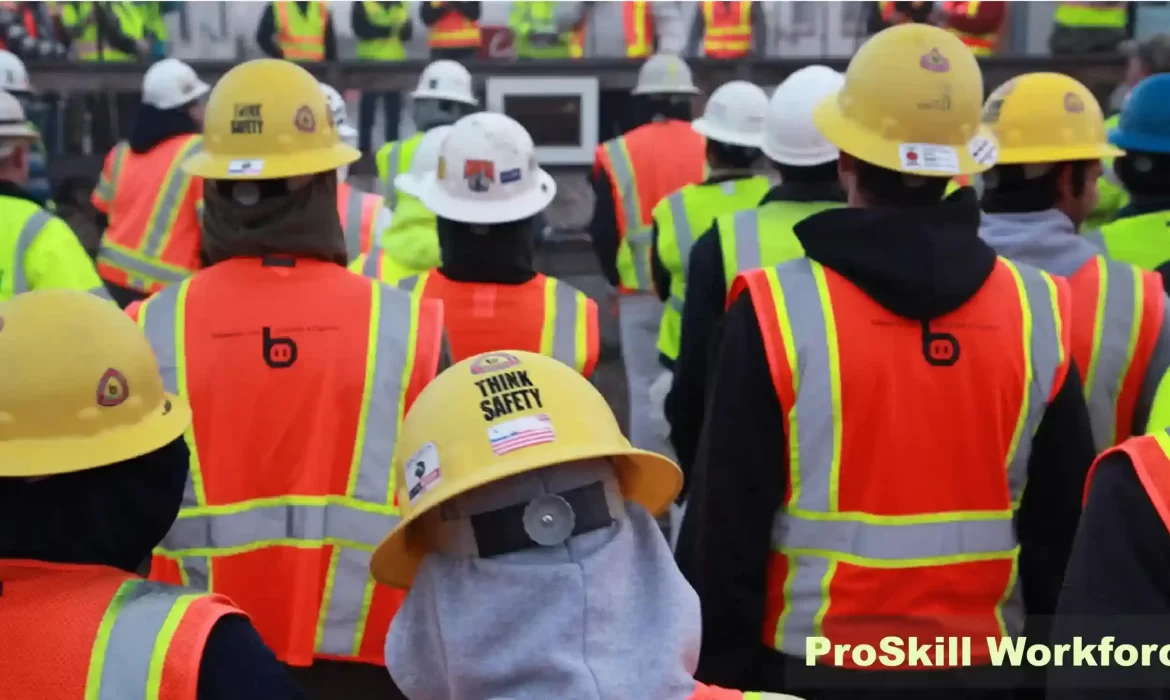
Fire Safety Manager Checklist: Singapore Fire Safety Inspection
In Singapore, maintaining stringent fire safety standards is not just a matter of compliance; it’s a critical component of protecting lives and property. For Fire Safety Managers (FSMs), this responsibility translates into a meticulous adherence to regulatory requirements and a proactive approach to fire prevention. So, FSMS should follow fire safety manager checklist Singapore. A comprehensive fire safety inspection checklist is an indispensable tool for FSMs, ensuring that all aspects of fire safety are systematically checked and that the premise is well-prepared for any fire or other related emergencies.
Understanding Fire Safety in Singapore
Importance of Fire Safety
The importance of fire safety in Singapore cannot be overstated, given the high-density urban environment and the potential for rapid fire spread. Effective fire prevention and robust fire protection systems are essential to safeguard occupants of the premises and minimize damage in the event of a fire. Regular fire drills and comprehensive emergency response plans are crucial elements in preparing for such events, ensuring that everyone knows how to safely evacuate in the event of a fire. The ultimate goal of fire safety measures is to ensure that the premise provides a safe environment for all occupants, significantly reducing the risks associated with fire hazards.
Legislation Governing Fire Safety
Singapore’s commitment to fire safety is reflected in its comprehensive legal framework, primarily the Fire Safety Act 1993 and its subsidiary regulations, accessible via Singapore Statutes Online. This legislation specifies the fire safety requirements that all buildings must comply with, covering aspects such as fire protection systems, fire safety works, and the duties of a fire safety manager (FSM). These regulations are enforced by the Singapore Civil Defence Force (SCDF Fire), which conducts regular fire safety inspections to ensure compliance. The legislation mandates the appointment and termination of a fire safety manager for specific buildings, and it lays out the responsibilities of the owner or occupier in maintaining fire safety standards. Failure to comply with these regulations can result in significant penalties, underscoring the importance of adhering to all aspects of the Fire Safety Act 1993.
Role of the Fire Safety Manager (FSM)
The Fire Safety Manager (FSM) plays a pivotal role in upholding fire safety standards within a premise in Singapore. Appointed by the owner or occupier, the FSM is responsible for developing and implementing a comprehensive fire safety management system (FSMS). This involves several key actions, including:
- Organising and conducting fire drills
- Ensuring the fire protection system is regularly serviced and maintained
Beyond these actions, the FSM is also responsible for developing an effective emergency response plan. The FSM also serves as the primary liaison with the SCDF Fire during fire safety inspections and audits. Furthermore, the FSM is responsible for forming a fire safety committee, a company emergency response team, and ensuring that all occupants of the premises are aware of fire safety measures. A crucial duty of a fire safety manager is to ensure that all fire safety requirements are met and that the building has a valid fire certificate (FC) or permit, if required. The FSM must also ensure that first aid equipment is readily available and that all staff are trained in its use, contributing to overall fire prevention efforts.
 Fire Safety Inspection Checklist Overview
Components of the Fire Safety Inspection Checklist
A comprehensive fire safety inspection checklist is a vital tool for the fire safety manager (FSM) in Singapore to ensure compliance with fire safety requirements. The checklist typically includes items related to fire prevention, fire protection systems, emergency preparedness, and general fire safety. It should cover checks of fire extinguishers, fire alarm systems, emergency lighting, and the availability of first aid equipment. Additionally, the checklist should prompt the FSM to verify the functionality of fire protection systems, the clarity of evacuation routes, and the accessibility of emergency exits for all occupants of the premises. The aim of the checklist is to ensure that all aspects of fire safety are regularly assessed and that the premise is well-prepared for any event of fire.
Compliance with Fire Safety Standards
Compliance is at the heart of using a fire safety inspection checklist effectively. The checklist ensures that the premise adheres to the fire safety requirements specified by the Singapore Civil Defence Force (SCDF Fire) and the Fire Safety Act 1993, accessible via Singapore Statutes Online. The fire safety manager (FSM) must use the checklist to ensure that all fire safety measures, including the maintenance of fire protection equipment and the implementation of emergency response plans, meet the regulatory standards. The checklist should also help identify any fire hazards that need to be addressed to avoid fines or penalties from the commissioner. Regular fire safety inspections using the checklist demonstrate a commitment to maintaining a safe environment for all occupants of the premises.
How to Download the Fire Safety Inspection Checklist
Obtaining a fire safety inspection checklist is a straightforward process. The Singapore Civil Defence Force (SCDF Fire) may provide a template or a sample checklist that fire safety managers (FSMs) can download from their official website. Alternatively, fire safety consultancy firms in Singapore offer customized checklists tailored to specific types of premises. An FSM can adapt these downloadable checklists to suit their specific needs, ensuring that all relevant fire safety requirements are covered. It is essential to regularly update the checklist to reflect any changes in legislation or fire safety standards, accessible via Singapore Statutes Online. Using a well-structured checklist is critical for the fire prevention of any fire or other related emergencies and maintaining the fire certificate (FC) and permit of the premise. The goal is to ensure that the checklist helps the owner or occupier comply with all fire safety requirements.
Duties of the Fire Safety Manager
General Duties and Responsibilities
The duties of a Fire Safety Manager (FSM) in Singapore are extensive and crucial for ensuring the fire safety and protection of premises. To achieve this, the FSM takes on a range of responsibilities, including:
- Developing, implementing, and maintaining a comprehensive Fire Safety Management System (FSMS).
- Organising and conducting fire drills, formulating and implementing emergency response plans.
- Ensuring that all fire protection systems are regularly serviced and maintained.
Another key responsibility is conducting regular fire safety inspections and identifying any fire hazards that might pose a risk to the occupants of the premises. The FSM is responsible for fire prevention, providing fire safety measures, and ensuring that all fire safety requirements are met, thereby upholding a high standard of fire safety.
Appointment and Termination Procedures
The appointment and termination of a fire safety manager (FSM) are governed by the Fire Safety Act 1993 and its associated regulations, accessible via Singapore Statutes Online. The owner or occupier of the premise is responsible for appointing a qualified individual as the FSM. The FSM must possess the necessary fire safety certificate (FC) and training as specified by the Singapore Civil Defence Force (SCDF Fire). Termination of the FSM’s services must also follow specific procedures, including notifying the SCDF Fire and ensuring a smooth handover of responsibilities to a new FSM. Proper documentation and adherence to these procedures are essential to maintain compliance and avoid penalties from the commissioner.
Ensuring Compliance and Certification
Ensuring compliance with fire safety requirements is a fundamental duty of a fire safety manager (FSM) in Singapore. The FSM must regularly use the fire safety inspection checklist to verify that the premise complies with all relevant fire safety measures, accessible via Singapore Statutes Online. This includes maintaining fire extinguishers, fire alarm systems, and emergency lighting, as well as ensuring clear evacuation routes and accessible emergency exits for all occupants of the premises. The FSM also plays a key role in obtaining and maintaining the fire certificate (FC) and permit required for the premise. Regular audits and close collaboration with the Singapore Civil Defence Force (SCDF Fire) are essential to demonstrate ongoing compliance and commitment to fire prevention, and ensuring fire safety for the occupants of the premises.
Emergency Preparedness and Response
Developing an Emergency Response Plan
Developing a comprehensive emergency response plan is a critical duty of a fire safety manager (FSM) in Singapore. This plan must outline procedures for several key areas, including:
- Evacuation
- Fire protection
- First aid
ensuring the safety of all occupants of the premises in the event of a fire or fire or other related emergencies. The emergency response plan should clearly specify the roles and responsibilities of the company emergency response team, including how to ensure that the fire alarm is activated and the Singapore Civil Defence Force (SCDF Fire) is notified. Regular reviews and updates, in compliance with the latest fire safety requirements, are essential to maintain its effectiveness and relevance.
Training and Drills for Fire Safety
Regular training and fire drills are crucial for fire safety and emergency preparedness in any premise. The fire safety manager (FSM) must organise and conduct fire drills to familiarise all occupants of the premises with evacuation procedures and the use of a fire extinguisher. These fire drills should simulate various event of fire scenarios to test the effectiveness of the emergency response plan and the fire protection system. Training sessions should also cover basic first aid, the location of fire alarm activation points, and the importance of compliance with fire safety measures. The FSM needs to keep detailed records of all training and drills as part of the fire safety documentation to assist with the fire safety inspection and demonstrate due diligence.
Use of Fire Equipment and Resources
Proper training in the use of fire equipment and resources is a vital aspect of fire safety. The fire safety manager (FSM) must ensure that all fire protection systems, including fire extinguishers, hose reels, and sprinkler systems, are in good working order and readily accessible. Training should cover the correct usage of each type of equipment, emphasizing safety precautions and maintenance procedures. The FSM should check and maintain detailed records of service dates, the fire safety inspection checklist, and any repairs or replacements needed. This proactive approach ensures that the fire protection equipment will perform effectively in the event of a fire, minimizing damage and protecting the occupants of the premises. Also, the FSM should ensure the fire safety requirements for portable fire extinguishers are up to compliance.
Why Choose Proskill Workforce Pte Ltd For Fire Safety Manager?
Proskill Workforce Pte Ltd is the ideal choice for organisations seeking a comprehensive fire safety manager Singapore solution, offering tailored modules and training programs led by licensed instructors and certified trainers to ensure regulatory compliance and competency certification; their practical drills, risk assessment workshops and emergency response simulations focus on fire prevention and workplace safety while providing clear documentation and ongoing support to help your team maintain preparedness and meet statutory requirements.
 Fire Prevention Strategies
Identifying Fire Hazards
Identifying potential fire hazards is a fundamental aspect of fire prevention. The fire safety manager (FSM) must conduct regular fire safety inspections to identify and assess risks within the premise. This includes evaluating electrical systems, storage of flammable materials, and potential ignition sources. A thorough check should also consider the layout of the building, accessibility of evacuation routes, and the presence of any obstructions. The FSM should use a detailed checklist to document all identified hazards, and prioritize corrective actions to mitigate these risks. Addressing these hazards proactively is a key duty of a fire safety manager, to maintain the fire safety of the premise and protect the occupants of the premises.
Implementing Fire Prevention Measures
Implementing effective fire prevention measures is crucial for minimizing the risk of fire. Based on the fire hazards identified during the fire safety inspection, the fire safety manager (FSM) must implement appropriate control measures. This may include improving electrical safety, properly storing flammable materials, implementing “no smoking” policies, and installing fire protection systems like sprinklers and fire alarm systems. The FSM must also organise regular training sessions to educate all occupants of the premises on fire safety measures and evacuation procedures. Regularly reviewing and updating these measures ensures their effectiveness in preventing fires and protecting the occupants of the premises. The goal is to create a culture of fire safety awareness and compliance throughout the premise, ensuring everyone is well-prepared for the event of a fire.
Regular Inspection and Maintenance
Regular fire safety inspections and maintenance are essential for sustaining a high level of fire safety. The fire safety manager (FSM) must establish a schedule for routine checks of all fire protection systems and equipment, as mandated by the Fire Safety Act 1993. This includes inspecting fire extinguishers, testing fire alarm systems, and verifying the functionality of emergency lighting. Any deficiencies identified during the inspection should be promptly addressed to maintain the integrity of the fire protection measures. Detailed records of all inspections, maintenance activities, and repairs must be maintained as part of the fire safety management system (FSMS), ensuring compliance with regulatory fire safety requirements. Also, it is a crucial responsibility of the FSM to have fire protection systems checked and serviced regularly.
FAQ:
fire certificate: What is a fire certificate and who must obtain it in Singapore?
A fire certificate (also called a certificate) is an authorization issued by the Singapore Civil Defence Force confirming that a building complies with fire safety requirements. Building owners and managers of industrial buildings, commercial premises and certain residential blocks must apply to comply with the requirements. The process assesses fire detection and firefighting systems, fire doors, mechanical ventilation, corridor access and evacuation plan measures to ensure the safety of occupants within the premises.
certificate: What are the general duties of fire safety for building owners and managers?
General duties of fire safety require building owners and those designated to manage fire safety to ensure the premises are maintained to prevent fire, that combustible materials are controlled, that escape routes and corridors are unobstructed, and that fire doors and mechanical ventilation are functional. They must also implement an arson prevention plan, supervise the occupants within the building during drills and incidents, and ensure detection and firefighting equipment are tested and serviced regularly to avoid non-compliance.
duties of fire safety manager: What are the primary duties of a fire safety manager in Singapore?
Duties of fire safety manager include preparing, updating and implementing the evacuation plan, training the occupants in evacuation procedures, co-ordinating and supervising the occupants during drills and actual events, and supervising the operation of the fire command centre if present. The manager must also liaise with building owners to ensure systems for detection, firefighting and mechanical ventilation are maintained and that non-compliance is rectified promptly. They must designate fire wardens, maintain incident logs and participate in arson prevention planning.
general duties of fire safety: How does a fire safety manager co-ordinate and supervise the occupants within the premises during an evacuation?
To co-ordinate and supervise the occupants within the premises, the fire safety manager activates the evacuation plan, uses the fire command centre communications where available, and delegates trained wardens to guide occupants along safe corridors and exits, ensuring fire doors remain closed or held open by approved devices. The manager trains the occupants regularly, conducts roll-calls, and supervises the operation of firefighting responses until SCDF arrives, reducing panic, preventing re-entry into hazardous areas and minimizing risks from arson or spreading of fire to combustible materials.
fc: How should the fire command centre be used during an incident?
The fire command centre (fc) should be the hub for monitoring detection systems, CCTV, mechanical ventilation controls and alarm panels. The fire safety manager or designated officer uses the fire command centre to co-ordinate firefighting crew access, communicate the evacuation in the event of fire, and supervise the occupants until emergency services take over. Proper staffing, training and regular testing of fc systems are essential to comply with the requirements and to avoid non-compliance penalties.
use the fire: What training is required to train the occupants and supervise the operation of safety systems?
Training should include evacuation procedures, use of portable firefighting equipment, recognizing detection and alarm signals, and actions for arson or suspicious incidents. The fire safety manager must ensure occupants are drilled on corridor clearance, fire door operation, and assembly point protocols. Staff who supervise the operation of systems like mechanical ventilation and the fire command centre require technical training and competency checks so they can manage detection alerts, initiate firefighting support and liaise with building owners and emergency responders.
certificate: What are common causes of non-compliance and how can they be prevented?
Common causes of non-compliance include blocked escape routes, faulty detection or firefighting equipment, unsecured or modified fire doors, improper storage of combustible materials and inadequate training of occupants. Prevention involves routine inspections, timely maintenance of mechanical ventilation and detection systems, enforcing an arson prevention plan, timely rectification by building owners, and ensuring the duties of fire safety manager are fulfilled, including documentation and regular drills.
fire certificate: How does arson prevention and investigation fit into fire safety management?
An effective arson prevention plan is part of the fire safety strategy: it involves securing vulnerable access points, CCTV monitoring from the fire command centre, restricting combustible storage, educating occupants about suspicious behavior, and coordinating with law enforcement. The fire safety manager must document incidents, supervise the occupants during investigations, and implement corrective measures to prevent recurrence and to maintain the validity of the fire certificate.
Call: +65-8833 8400
Read:
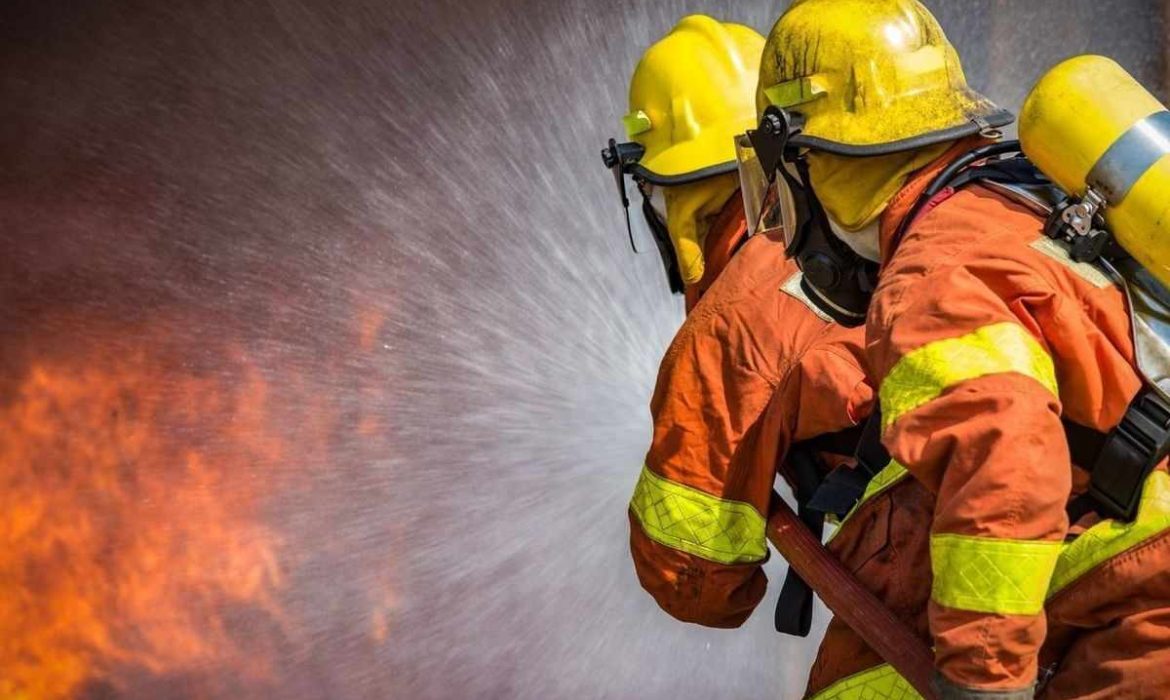
How To Become Fire Safety Manager Singapore?
In Singapore, the Fire Safety Manager (FSM) plays a crucial role in ensuring building safety and regulatory compliance. This article provides an overview of the Fire Safety Manager Course, highlighting its significance and the value of obtaining an FSM certificate. It will cover the course objectives, the importance of fire safety managers, and the benefits of the certification program.
How To Become Fire Safety Manager Singapore?
What is the Fire Safety Manager Course?
The Fire Safety Manager Course is a specialized training program designed to equip participants with the knowledge and skills necessary to manage fire safety within a building or premise in Singapore. This comprehensive course covers various aspects of fire safety, including fire prevention, fire protection systems, emergency response, and regulatory compliance. Participants learn how to design and implement effective fire safety measures and strategies. The course is designed to train individuals to become certified fire safety managers, capable of ensuring the safety of building occupants and compliance with the Fire Safety Act 1993.
Importance of Fire Safety Managers in Singapore
Fire Safety Managers (FSMs) are vital for maintaining fire safety in Singapore’s diverse range of buildings, from industrial complexes to commercial establishments. Their role is critical in preventing fires and minimizing potential damage and casualties. The responsibilities of a fire safety manager include developing and implementing fire safety plans, conducting regular inspections, ensuring the maintenance of fire protection systems, and training building occupants on emergency procedures. By fulfilling these roles and responsibilities, fire safety managers contribute significantly to the overall safety and well-being of the community. The SCDF also relies on competent FSMs to uphold fire safety standards across the nation.
Objectives of the FSM Certificate Program
The primary objective of the FSM certificate program is to certify individuals as competent fire safety managers, equipping them with the necessary skills and knowledge to effectively manage fire risks. The course aims to provide participants with a thorough understanding of the Fire Safety Act 1993 and related regulations. It also trains them in the design, implementation, and maintenance of fire protection systems. Upon completing the course and passing the examination, participants can register with SCDF as certified fire safety managers. This certification enhances their credibility and demonstrates their ability to protect lives and property from fire hazards. The program ensures that fire safety managers are well-prepared to handle emergency situations and contribute to a safer environment.
Certification Requirements for Fire Safety Managers
Eligibility Criteria for Certification
To obtain certification as a Fire Safety Manager (FSM) in Singapore, certain eligibility criteria must be met as outlined by the SCDF. Typically, applicants need to have a relevant diploma or degree in fire safety, engineering, or a related field. In addition to academic qualifications, relevant working experience in fire safety is often a requirement. This experience ensures that potential fire safety managers have practical knowledge and understanding of fire safety principles and practices. The course is designed to build upon this existing foundation, equipping participants with advanced skills. These requirements ensure that individuals who certify as fire safety managers are well-prepared to handle the responsibilities of a fire safety manager.
Required Training Modules and Topics
The Fire Safety Manager course encompasses various training modules and topics essential for effectively managing fire safety. These modules cover fire prevention techniques, fire protection systems, and emergency response plan development. Participants train in understanding the Fire Safety Act 1993 and related regulations, ensuring compliance with Singapore’s legal standards. The course also includes practical sessions on conducting fire risk assessments and implementing fire safety measures. Furthermore, the training addresses the roles and responsibilities of a fire safety manager, focusing on maintaining fire protection systems and coordinating emergency procedures to protect occupants. This comprehensive approach ensures that fire safety managers are well-versed in all aspects of fire safety within a building or premise.
Assessment and Examination Process
The assessment and examination process for the Fire Safety Manager (FSM) certification in Singapore is rigorous, ensuring that only competent individuals are certified. Upon completing the course, participants must pass a comprehensive examination that tests their knowledge of fire safety principles, regulations, and emergency procedures. The examination often includes both written and practical components, assessing the ability to apply learned concepts in real-world scenarios. Successful candidates can then register with SCDF as certified fire safety managers. The certification by the SCDF ensures that the individual meets the required standards to perform the role effectively. The fire safety manager course is designed to prepare candidates thoroughly for this examination, covering all necessary topics and skills. It is crucial for all participants to attend the course to be able to pass the exam, to obtain their FSM certificate.
Training and Accreditation
Accredited Training Providers in Singapore
In Singapore, the accreditation of the Fire Safety Manager (FSM) course is a crucial aspect of ensuring high standards in fire safety management. Several institutions are accredited by the SCDF to conduct the fire safety manager course. These accredited training providers ensure that participants receive quality education and training, equipping them with the necessary skills to perform their roles and responsibilities effectively. The course is designed to meet the stringent requirements set by the SCDF. Aspiring fire safety managers should check the SCDF website for a list of accredited training providers to ensure they are enrolling in a recognized and approved program. This will give them the best opportunity to pass the exam.
Course Duration and Structure
The Fire Safety Manager course in Singapore typically involves a structured curriculum designed to thoroughly train participants in all aspects of fire safety. The duration of the course can vary, but it generally spans several days of intensive training. The course structure includes classroom lectures, practical sessions, and case studies to provide a comprehensive understanding of fire safety principles and practices. Participants train in fire prevention, fire protection systems, emergency response procedures, and relevant regulations. The course is designed to equip individuals with the necessary knowledge and skills to effectively manage fire safety within a building or premise, and meet the requirements for certification as a fire safety manager.
Online Training Options and Portal Access
With advancements in technology, online training options for the Fire Safety Manager (FSM) course are becoming increasingly available in Singapore. These online platforms provide flexibility for participants who may have difficulty attending traditional classroom-based sessions. Through a dedicated portal, participants can access course materials, videos, and interactive modules at their convenience. This flexibility allows individuals to complete the course at their own pace while still receiving comprehensive training in fire safety principles and practices. The online format often includes virtual simulations and assessments to ensure that participants fully grasp the concepts. SCDF still require participants to attend a fire safety manager course in person to get certified. Fire safety managers may register with SCDF after having completed the course.
Why Choose Proskill Workforce For Fire Safety Manager Service Singapore?
Choosing Proskill Workforce for Fire Safety Manager Service Singapore means partnering with a provider that not only delivers comprehensive training and certification support but also guides candidates step-by-step on how to become fire safety manager Singapore;
Our programs cover the latest SCDF regulations, practical hands-on drills, risk assessment techniques, emergency response planning and documentation required for appointment, plus focused exam preparation and mentorship from experienced practitioners to build the competencies employers demand, ongoing refresher courses to maintain certification validity, and placement assistance to connect successful graduates with local industry roles—making Proskill Workforce the practical, compliant and career-focused choice for anyone serious about advancing as a fire safety manager in Singapore.
With strong employer connections and placement assistance, ongoing student support, and a curriculum regularly updated to reflect regulatory changes and best practices, Proskill Workforce helps candidates build the technical skills, risk management expertise, and confidence needed to succeed as competent fire safety managers in Singapore’s regulatory environment.
Emergency Response Planning
Creating an Effective Emergency Response Plan
An effective emergency response plan is critical for any building or premise in Singapore, and the fire safety manager course equips participants with the skills to design and implement such plans. The plan should outline clear procedures for evacuation, fire suppression, and communication during a fire emergency. The responsibilities of a fire safety manager in this context include identifying potential hazards, establishing evacuation routes, and coordinating with emergency services. The emergency response plan should also incorporate the maintenance and regular inspection of fire protection systems, ensuring they are always in optimal working condition. It is important to train building occupants on the emergency response plan to ensure a safe and efficient evacuation. These responsibilities are necessary in order to obtain the FSM certificate.
Role of Fire Safety Managers in Emergency Situations
In emergency situations, the role of a fire safety manager is paramount in ensuring the safety of building occupants and minimizing damage. As a certified fire safety manager, one must take charge, coordinate evacuation procedures, and communicate with emergency responders. It is a fire safety manager’s responsibility to oversee the operation of fire protection systems and ensure they function correctly. They must also have the related working experience to handle unexpected challenges and make quick, informed decisions to protect lives and property. After completing the course and having the certificate, they must continue to learn and adapt to new situations. Proper emergency response is important to obtain the FSM certificate.
Drills and Training for Emergency Preparedness
Regular fire drills and training sessions are essential components of emergency preparedness, and the fire safety manager course places significant emphasis on them. These drills train building occupants on evacuation procedures, the use of fire extinguishers, and other critical skills needed during a fire emergency. As a fire safety manager’s responsibility, is to organize and conduct these drills, ensuring they are realistic and effective. The role of a fire safety manager involves educating occupants on fire safety practices and promoting a culture of safety within the building. These efforts contribute significantly to the overall preparedness and safety of the building, making it easier to register with SCDF.
 Benefits of Obtaining the FSM Certificate
Career Opportunities for Certified Fire Safety Managers
Obtaining an FSM certificate opens up a wide range of career opportunities for certified fire safety managers in Singapore. With the certification, individuals can work in various settings, including commercial buildings, industrial complexes, and residential developments. The course is designed to meet the growing demand for qualified fire safety managers who can ensure regulatory compliance and protect lives and property. The FSM certificate enhances career prospects and provides opportunities for advancement within the fire safety field. Many organizations actively seek certified fire safety managers to fill critical positions, recognizing their expertise and commitment to fire safety. The responsibilities of a fire safety manager are paramount to ensure building occupant safety.
Impact on Workplace Safety Standards
Certified fire safety managers significantly impact workplace safety standards in Singapore. Their expertise in fire prevention, fire protection systems, and emergency response contributes to a safer working environment for all employees. The fire safety manager course trains participants to implement effective fire safety measures and protocols, reducing the risk of fire-related accidents. By adhering to the Fire Safety Act 1993 and related regulations, fire safety managers ensure compliance with Singapore’s stringent safety standards. Their proactive approach to fire safety enhances the overall well-being of employees and protects valuable assets. They will then be able to register with SCDF and become a certified manager.
Networking and Professional Development Opportunities
Completing the fire safety manager course and obtaining the FSM certificate also provides valuable networking and professional development opportunities. Participants can connect with other fire safety professionals, share best practices, and learn from each other’s experiences. The course often includes seminars, workshops, and conferences that further enhance knowledge and skills. The FSM certificate demonstrates a commitment to ongoing professional development and enhances credibility within the fire safety community. Networking opportunities can lead to collaborations, career advancements, and the exchange of innovative ideas to improve fire safety practices. After completing the course, participants can register with SCDF.
FAQ:
How does cert relate to becoming a fire safety manager in Singapore?
Cert here refers to certification required to be recognised as a Fire Safety Manager (FSM) under SCDF regulations. To become an FSM you must meet the training and competency requirements set by SCDF, complete courses from an approved institute or academy, and pass necessary assessments before you can be designated as the facility’s FSM under the amended FSM regulations.
What application steps are needed to submit cert documents to SCDF for FSM appointment?
When you apply to be designated an FSM you need to submit the following information to SCDF_CDA@scdf.gov.sg as requested: proof of completed training from a recognised academy or institute, certificates of competence, employer appointment letters, and any specialist documentation. Please submit supporting documents in the format specified by SCDF to avoid delays in processing your application.
Is SCDF as a certified fire authority involved in training and renewal of certs?
Yes, the Singapore Civil Defence Force (SCDF) acts as the regulatory authority overseeing FSM certification, course approval, and renewal processes. SCDF works with approved training institutes and academies to set curriculum, and they manage renewal criteria and any upgrades required under the regulations.
Which institute or academy should I attend to gain the cert required for FSM?
Attend an SCDF-approved institute or academy that offers the Fire Safety Manager course or specialist modules. SCDF publishes a list of approved training providers; selecting an accredited provider ensures your certificate will be recognised during your application and renewal procedures.
How do the amended FSM regulations and improvements to the FSM scheme affect cert requirements?
The amended FSM regulations and improvements to the FSM scheme aim to make competency standards clearer and raise professional requirements for FSMs. Changes may include updated course content, specialist training, and stricter renewal intervals; check SCDF advisories for details on how these amendments impact your cert and continued compliance within buildings and facilities.
How do I handle renewal and upgrade of my FSM cert and when should I submit renewal documents?
Renewal typically requires proof of continued competency, refresher training from an approved academy or institute, and submission of required documents to SCDF before expiry. If you need to upgrade cert level or add specialist endorsements, follow SCDF guidance on additional training and submit all supporting materials, including employer designation letters, to the specified SCDF email well ahead of deadlines.
What specialist roles, regulations 1994 references, and facility duties are linked to holding a cert as FSM?
Specialist roles may include overseeing fire safety within specific facility types, ensuring compliance with historical references like regulations 1994 and later BCA clauses, and coordinating fire safety systems and drills within buildings. As the designated FSM you must ensure compliance with SCDF fire requirements, maintain records, liaise with authorities, and implement improvements to the FSM scheme as required by law.
Call: +65-8833 8400
Read: