Navigating Compliance: The Ultimate Guide to Safety Officer Consultancy Singapore
In Singapore’s highly monitored industrial and commercial landscape, maintaining workplace safety is an operational necessity and a strict legal mandate. The Ministry of Manpower (MOM) continuously tightens its regulatory enforcement under the Workplace Safety and Health (WSH) Act. For progressive enterprises spanning construction, marine engineering, manufacturing, and logistics, keeping pace with shifting compliance codes can drain valuable internal resources. This operational challenge is why a growing number of corporate boards rely on professional safety officer consultancy singapore services.
Proskill Workforce Pte Ltd operates at the leading edge of corporate safety management, workplace risk insulation, and technical staffing solutions in Singapore. By combining deep statutory regulatory mastery with flexible, outsourced deployment of MOM-registered Workplace Safety and Health Officers (WSHOs), we ensure your business remains audit-ready, highly efficient, and legally protected. This definitive guide explores how utilizing expert safety consultancy safeguards your workforce, fulfills your statutory liabilities, and strengthens your corporate reputation.
The Landscape of Workplace Safety in Singapore
The statutory framework governing occupational environments in Singapore places the legal responsibility for hazard mitigation directly onto employers, property occupiers, and principal contractors.
                  ┌─────────────────────────────────────────┐
                  │      WSH STATUTORY REGULATORY MATRIX    │
                  └────────────────────┬────────────────────┘
                                       │
                ┌──────────────────────┴──────────────────────┐
                ▼                                             ▼
  ┌───────────────────────────┐                 ┌───────────────────────────┐
  │  WSH (RISK MANAGEMENT)    │                 │   MOM INCIDENT REPORTING  │
  ├───────────────────────────┤                 ├───────────────────────────┤
  │ • Mandatory Risk Registers │                 │ • Fatalities: 24 Hours    │
  │ • Hierarchy of Controls   │                 │ • Major Injuries: 10 Days │
  │ • Competent Person Review │                 │ • Under-Reporting Audits  │
  └───────────────────────────┘                 └───────────────────────────┘
The standard of compliance requires businesses to execute every “reasonably practicable” measure to eliminate structural, chemical, mechanical, and psychosocial risks. Failing to meet these standards carries severe operational risks, including Stop-Work Orders (SWO), catastrophic financial penalties, and the potential personal prosecution of corporate directors.
Statutory Financial and Judicial Penalties
The Ministry of Manpower enforces strict penalties for corporate entities and individual duty holders who fail to maintain robust safety management infrastructures:
| Nature of WSH Act Violation | Maximum Financial Penalty (Corporate) | Maximum Judicial Imprisonment |
| First-Time General Non-Compliance | Up to S$200,000 fine | N/A |
| Breaches Resulting in Major Injury | Up to S$200,000 fine | Up to 12 months prison term |
| Breaches Resulting in Worker Fatality | Up to S$500,000 fine | Up to 24 months prison term |
| Repeat Safety Violations/Negligence | Up to S$500,000 fine | Up to 24 months prison term |
| Individual Worker Duty Breaches | Up to S$30,000 fine | Up to 6 months prison term |

Core Pillars of a Safety Officer Consultancy
Engaging a professional safety officer consultancy singapore provider like Proskill Workforce Pte Ltd introduces a multi-layered compliance shield to your business operations. Our registered consultants and officers do not simply check checkboxes; they execute a systematic blueprint designed to optimize your workspace safety posture across several essential domains.
1. Development of WSH Management Systems (WSHMS)
A compliant WSHMS serves as the foundational core of your company’s safety ecosystem. Our consultancy drafts and implements customized safety manuals, precise operational charters, and formal accountability matrices that align with the rigorous standards of Singapore Standard SS651 and global ISO 45001 benchmarks.
2. Comprehensive Safety Audits and Structural Inspections
Unannounced spot checks by internal experts are the most effective preventive tool against unexpected MOM enforcement actions. Our consultants run exhaustive physical audits across your factories, shipyards, or construction sites, identifying hidden structural cracks, faulty energy isolation points, compromised personal protective equipment (PPE), and unsafe work behaviors.
3. Comprehensive Risk Assessment (RA) Frameworks
Under the WSH (Risk Management) Regulations, every single routine and non-routine activity performed within a workplace must be covered by a documented, valid Risk Assessment. Our consultants lead your technical staff, engineers, and site supervisors through the three fundamental phases of risk management:
┌──────────────────────────┐     Evaluation     ┌──────────────────────────┐     Mitigation     ┌──────────────────────────┐
│ 1. Hazard Identification │───────────────────>│    2. Risk Evaluation    │───────────────────>│    3. Risk Control       │
│  (Spotting the Source)   │                    │ (Severity vs Likelihood) │                    │  (Hierarchy of Control)  │
└──────────────────────────┘                    └──────────────────────────┘                    └──────────────────────────┘
4. Advanced Safe Work Procedures (SWP) & Permit-to-Work (PTW) Routing
For high-risk operational activities—such as hot work, confined space entry, heavy lifting, or working at heights exceeding 2 meters—relying on verbal instructions introduces significant risk. We map out strict, sequential Safe Work Procedures and design digital Permit-to-Work routing systems. This ensures no high-risk task is initialized without verified mechanical clearances and atmospheric gas testing.
5. Detailed Incident Investigation and Statutory Reporting
If an unexpected incident or a near-miss occurs, an independent investigation is required to identify root causes and prevent recurrence. Our consultancy handles the collection of forensic site evidence, conducts objective staff interviews, maps out root-cause analyses, and manages the administrative submission of reportable incidents via MOM’s iReport portal within the mandatory statutory timelines.
When Does a Singapore Business Legally Require a WSHO?
Many small and medium enterprises (SMEs) are uncertain about the exact legal boundaries that necessitate appointing a registered safety officer. The Workplace Safety and Health (Workplace Safety and Health Officers) Regulations mandate that specific higher-risk industrial setups must formally appoint an MOM-registered Workplace Safety and Health Officer.
Legal Staffing Mandates Under Singapore Law
If your business operates within any of the following classifications, maintaining a qualified safety officer is a mandatory legal requirement:
- Construction Sites: Any construction project or building operation with a total contract value amounting to S$10 Million or more must employ a dedicated, resident safety officer.
- Shipyards and Marine Yards: All shipyards, marine engineering centers, and vessel repair hubs must maintain a registered officer, regardless of their operational scale.
- Petroleum Processing Facilities: All oil refineries, petrochemical plants, and petrochemical storage terminals must maintain full safety officer coverage.
- Bulk Chemical Manufacturing: Industrial factories engaged in manufacturing, processing, or bulk storage of dangerous or toxic chemical materials are legally required to employ an officer.
- General Industrial Factories: Any standard manufacturing setup, woodworking factory, food processing facility, or assembly plant that employs a workforce capacity of 100 or more persons on-site must legally appoint a registered safety officer.
Active vs. Passive Safety Architecture
A balanced safety officer consultancy singapore framework approaches workplace risk management through a dual lens: Active Safety Controls and Passive Safety Infrastructure. A masterful implementation of both domains ensures your project remains systematically insulated from hazards.
1. Cultivating Active Safety Controls
Active safety components rely on continuous human interaction, ongoing cognitive observation, and administrative verifications to successfully minimize operational hazards. Our consultants establish active safety habits by:
- Organizing regular, field-specific Toolbox Talks and pre-task safety briefings.
- Conducting real-time behavior-based safety (BBS) tracking to address human errors.
- Executing continuous gas monitoring and air sampling in high-risk zones.
- Auditing worker compliance regarding correct personal protective equipment (PPE) utilization.
2. Reinforcing Passive Safety Infrastructure
Passive safety relies on engineered design elements, mechanical barriers, and permanent architectural features that eliminate risks automatically, without requiring human intervention. Our consultants evaluate and reinforce your passive safety framework by:
- Verifying that heavy industrial machinery features active emergency cut-off interlocks and secure physical Machine Guarding.
- Inspecting structural edge protections, mid-rails, and perimeter toe-boards on construction scaffolding to prevent drops.
- Ensuring Lock-Out, Tag-Out (LOTO) mechanical energy isolation blocks remain securely locked during deep maintenance cycles.
- Checking that vertical service shafts and building pipe penetrations are packed with certified intumescent firestop sealants to arrest smoke migration.
The Strategic Advantage of Outsourcing Safety Consultancy
Attempting to manage your company’s safety profile entirely via an internal human resource manager or an overextended project engineer introduces significant operational vulnerabilities. Partnering with a dedicated agency like Proskill Workforce Pte Ltd unlocks several long-term strategic advantages:
Capital Allocation Efficiency
Employing a full-time, permanent executive in-house carries substantial fixed financial overheads—including competitive base salaries, Central Provident Fund (CPF) contributions, medical insurance policies, performance bonuses, and continuous skills training subsidies.
Outsourcing your safety requirements converts these fixed costs into flexible, predictable operational expenditures. You pay exclusively for the exact level of consultancy or contract coverage hours your project timeline requires.
Seamless Continuity and Talent Security
If an internal safety officer falls ill, takes leave, or resigns unexpectedly, your facility can be exposed to immediate compliance risks and potential regulatory stop-work mandates.
By partnering with Proskill Workforce Pte Ltd, your business gains access to a resilient organization. If your assigned officer is unavailable, our internal talent network instantly deploys an equally qualified, pre-briefed registered safety officer, ensuring continuous coverage and zero compliance gaps for your operations.
Unbiased Compliance Integrity
Internal safety personnel can sometimes face subtle corporate pressures to overlook minor site infractions or delay expensive equipment upgrades to fit within restrictive departmental budgets. An independent consultant from Proskill Workforce Pte Ltd operates with absolute objectivity. We deliver unbiased, data-driven hazard reports that protect your corporate directors from long-term legal and financial liability.

Why Choose Proskill Workforce Pte Ltd?
Selecting the right partner for safety officer consultancy singapore services is an important decision that directly impacts the structural protection of your assets, the continuity of your operations, and your corporate reputation. Proskill Workforce Pte Ltd is a premier provider of corporate safety management and technical human resource solutions across Singapore.
- Fully Certified & MOM-Registered Professionals: Every single officer and consultant within our extensive network holds valid, verified credentials from the Ministry of Manpower. We do not use uncertified staff for statutory officer responsibilities.
- Deep Cross-Industry Knowledge: We recognize that an offshore oil platform, a high-purity semiconductor cleanroom, a automated logistics warehouse, and a civil engineering project each possess unique risk characteristics. We match your business with an expert who understands your industry’s exact operational logic.
- Advanced Digital Workflow Integration: Our 2026 workflows integrate modern technology, utilizing cloud-hosted asset verification logs, digital QR scanning on protective fixtures, and automated site analytics to track risk resolutions transparently.
- Streamlined bizSAFE & ISO Progression: We successfully guide organizations through all stages of Singapore’s national safety certifications, accelerating your company’s path toward bizSAFE Level 3, bizSAFE Star, and ISO 45001 alignment.
- Flexible and Scalable Deployment Models: Whether your business requires a part-time safety consultant for a short-term project audit or an integrated team of resident officers for a mega-scale construction site, our engagement packages are built to scale with your business needs.
Frequently Asked Questions (FAQ)
1. What is the core difference between a WSH Coordinator and a WSH Officer in Singapore?
A WSH Coordinator is typically appointed for smaller, lower-risk projects (such as construction contracts valued under S$10 million) and holds baseline certifications like the Advanced Certificate in WSH. A Workplace Safety and Health Officer (WSHO) is a more advanced specialist required for large-scale projects exceeding S$10 million or factories with 100+ workers. They must possess a Specialist Diploma in WSH and pass rigorous assessment reviews led by the Ministry of Manpower to secure their registration license.
2. How do safety consultants help a company secure a bizSAFE Level 3 certification?
Securing bizSAFE Level 3 is essential for participating in most government and large corporate procurement tenders in Singapore. A consultant from Proskill Workforce Pte Ltd manages this progression by training your designated Risk Management Champion, drafting a comprehensive Risk Management Plan, supervising the implementation of site controls, and coordinating the mandatory independent audit led by a MOM-approved external auditing body.
3. What are Continuing Professional Development (CPD) points, and how does your agency manage them?
To remain eligible for the mandatory biennial license renewals with MOM, a registered WSHO must actively participate in the CPD program, accumulating a minimum of 40 Safety Development Units (SDUs) within their two-year validity cycle. Proskill Workforce Pte Ltd takes full responsibility for tracking, upskilling, and managing the continuous education metrics of all our deployed safety professionals, removing this administrative burden from your internal HR team.
4. Can a part-time safety consultant satisfy our company’s legal obligations?
Yes, depending entirely on your industry classification and workforce scale. For factories with fewer than 100 on-site employees or specialized low-risk commercial setups, a part-time or advisory safety consultant can successfully manage all statutory risk assessments, policy formulation, and internal audit walks. However, construction projects with contract values exceeding S$10 million are legally required to maintain a full-time, resident safety officer on-site.
5. What are the mandatory timeframes for reporting serious workplace accidents to the MOM?
Under the WSH (Incident Reporting) Regulations, employers must adhere to strict reporting windows:
-
Workplace Fatalities: Must be reported immediately to the Ministry of Manpower within 24 hours of occurrence.
-
Major Structural/Dangerous Occurrences: (e.g., explosions, fires, structural collapses) Must be reported within 10 days.
-
Injuries Resulting in Hospitalization: Incidents causing more than 24 hours of hospitalization or resulting in a doctor-mandated medical leave of any duration must be formally submitted within 10 days.
6. How quickly can Proskill Workforce deploy a certified safety consultant to our project?
Following our initial workspace evaluation and the confirmation of the service contract parameters, we can query our internal registry of pre-vetted specialists, finalize the formal assignment details, and deploy your primary safety consultant or officer to your site within 3 to 5 business days.
Secure Your Corporate Safety Future Today
Workplace safety cannot be handled as an afterthought or treated as a secondary administrative task by an overloaded operations manager. It requires dedicated execution, regulatory precision, and disciplined tracking. By partnering with the safety officer consultancy singapore team at Proskill Workforce Pte Ltd, you safeguard your personnel, eliminate regulatory liabilities, and protect your investments.
Contact us today at +65-90900468 or visit our office at [Your Address Here] to discuss how we can elevate your next project.
Call: +65-8833 8400
Read:

Mastering WSH Compliance: The Definitive Guide to Hire a Workplace Safety and Health Officer SG (2026)
In Singapore’s highly regulated corporate ecosystem, operational safety is a critical component of commercial survival. Whether managing multi-million dollar infrastructure projects, high-output manufacturing setups, or intricate logistics operations, maintaining absolute alignment with statutory safe practices is non-negotiable. At the center of this protective framework is the Ministry of Manpower (MOM) mandate to appoint certified safety professionals. For progressive enterprises looking to protect their human assets and avoid legal exposure, the directive to hire a workplace safety and health officer sg stands as a top organizational priority.
Proskill Workforce Pte Ltd operates at the leading edge of technical human resources and safety compliance architecture in Singapore. By sourcing, vetting, and placing highly qualified, MOM-registered Workplace Safety and Health Officers (WSHOs), we insulate your business from operational vulnerabilities and legal risks. This comprehensive compliance guide covers the regulatory scope of the WSHO role, identifies the specific industries requiring these professionals, and provides a clear path to optimizing your workplace risk profile.
What is a Workplace Safety and Health Officer (WSHO)?
A Workplace Safety and Health Officer (WSHO) is an elite safety specialist registered directly under the Ministry of Manpower in accordance with the Workplace Safety and Health (Workplace Safety and Health Officers) Regulations. Unlike general human resource managers or site coordinators, a WSHO possesses advanced qualifications in occupational health engineering, hazard analysis, and regulatory law.
Their primary operational mission is the preservation of human life, the prevention of corporate asset damage, and the systematic minimization of systemic operational liability.
Core Statutory Mandates of a Registered WSHO
When you choose to hire a workplace safety and health officer sg, that professional takes on deep legal and structural responsibilities within your workplace:
- Risk Assessment Management: Leading complex hazard identification processes and formalizing comprehensive Risk Management (RM) structures to comply with the WSH (Risk Management) Regulations.
- Safety Audits and Inspections: Conducting structured walkthroughs to spot structural defects, mechanical hazards, and unsafe behavioral patterns among workers.
- Incident Investigation: Leading root-cause evaluations following near-misses or injuries, compiling detailed incident dossiers, and submitting official reports via MOM’s iReport portal within statutory timelines.
- Policy Formulation: Designing and implementing an integrated Safety and Health Management System (SHMS) customized to the exact workflows of the factory or construction asset.
- Regulatory Liaison: Acting as the designated point of contact for MOM occupational safety inspectors during unannounced spot checks or structural compliance evaluations.
Statutory Thresholds: Who is Legally Required to Hire a WSHO in Singapore?
The Workplace Safety and Health Act explicitly dictates which industrial assets must appoint a registered WSHO. This legal requirement is determined by industry sector, contract value, and human workforce scale. Operating inside these designated categories without a formally registered officer can lead to severe judicial penalties, immediate stop-work orders, and corporate disqualification from public tenders.
Legal Requirements Matrix
The table below breaks down the specific legal conditions under Singapore law where appointing an MOM-registered WSHO is mandatory:
| Industry Sector / Workplace Type | Physical Scale / Financial Threshold | Minimum Statutory Requirement |
| Construction Sites / Building Operations | Project contract sum $\ge$ S$10 Million | Mandatory Appointed WSHO |
| Shipyards & Marine Engineering Assets | All operational scales regardless of volume | Mandatory Appointed WSHO |
| Petroleum Refineries & Petrochemical Plants | Processing facilities handling petroleum products | Mandatory Appointed WSHO |
| Bulk Chemical Manufacturing & Storage | Processing sites manufacturing hazardous substances | Mandatory Appointed WSHO |
| General Industrial Factories / Workspaces | Workforce capacity $\ge$ 100 persons on-site | Mandatory Appointed WSHO |

The Strategic Choice: Direct Permanent Hire vs. Outsourced WSHO Personnel
As corporate boards navigate the financial landscapes of 2026, workforce flexibility is a primary focus. When planning to hire a workplace safety and health officer sg, your management team can choose between a permanent internal hire or utilizing an outsourced managed safety service through an specialized agency.
Engagement Models Comparison
| Operational Feature | Permanent In-House WSHO | Outsourced / Contract WSHO (Proskill) |
| Financial Cost Structure | High fixed costs (salaries, CPF, bonuses, insurance). | Scalable operational expenditure (variable rates). |
| Continuous SDU Tracking | Managed entirely by the individual employee. | Monitored and managed by the service provider. |
| Continuity Protection | High disruption risks during sick leave or resignation. | Zero downtime; immediate replacement deployment. |
| Objectivity and Integrity | Subject to internal department budget pressures. | Unbiased, independent hazard reporting. |
| Recruitment Lead Time | 4 to 12 weeks of active market sourcing. | 48 to 72 hours via pre-vetted talent pools. |
The Core Technical Focus: Active vs. Passive Workplace Safety
A masterful Workplace Safety and Health Officer analyzes an industrial site through a dual framework: Active Safety Controls and Passive Safety Infrastructure. A balanced application of both domains ensures your workspace remains structurally secure and audit-ready.
                  ┌─────────────────────────────────────────┐
                  │      WSHO OPERATIONAL SAFETY MATRIX     │
                  └────────────────────┬────────────────────┘
                                       │
                ┌──────────────────────┴──────────────────────┐
                ▼                                             ▼
  ┌───────────────────────────┐                 ┌───────────────────────────┐
  │  ACTIVE SAFETY CONTROLS   │                 │ PASSIVE SAFETY STRUCTURE  │
  ├───────────────────────────┤                 ├───────────────────────────┤
  │ • Real-Time ToolBox Talks │                 │ • LOTO Isolation Barriers │
  │ • Gas Detection Audits    │                 │ • Machine Safety Guarding │
  │ • Behavioral Monitoring   │                 │ • Structural Edge Protection│
  │ • Permit-to-Work Routing  │                 │ • Engineered Scaffolding  │
  └───────────────────────────┘                 └───────────────────────────┘
1. Driving Active Safety Controls
Active safety components require human participation, mechanical observation, or administrative permissions to manage operational risk. Your WSHO manages these systems daily by running site-wide Permit-to-Work (PTW) protocols for high-risk tasks like hot work or confined space entry, conducting localized toolbox talks, and performing atmospheric gas checks before teams enter deep storage vessels.
2. Reinforcing Passive Safety Infrastructure
Passive safety relies on physical architecture and engineered boundaries designed to eliminate hazards without requiring continuous human action. Your WSHO checks that heavy processing equipment features functional emergency interlocks and physical machine guards, confirms that structural edge protection and perimeter toe-boards prevent drops on construction towers, and verifies that Lock-Out, Tag-Out (LOTO) energy isolation points remain locked out during maintenance operations.
Digital Transformation in 2026 WSH Compliance
The year 2026 has brought significant technological advancements to industrial safety tracking. Traditional paper-based risk logs and faded site checklists introduce tracking errors and storage challenges. A modern WSHO leverages an integrated digital tech stack to provide clear visibility into your compliance profile.
1. IoT-Enabled Asset Auditing and QR Tracking
By attaching unique QR codes or RFID tags to every critical safety asset—such as personal fall-arrest harnesses, gas detectors, and fire protection equipment—the verification workflow becomes automated. During inspection walks, the WSHO scans the tag with a mobile app, instantly updating a cloud database with time-stamped inspection records. This provides real-time verification to business owners that physical inspections were successfully completed.
2. SnapSAFE Integration and Live Analytics
Modern safety deployment integrates site cameras and portable monitoring tech with AI-driven hazard detection software. If an unmonitored material pathway becomes blocked or a worker enters a heavy vehicle zone without their high-visibility gear, the platform sends an automated alert to the WSHO’s system, allowing for rapid containment before a risk turns into an emergency.
Transitional Management: Navigating the Onboarding Process
Onboarding high-tier safety leadership into an active factory setup or a new building development is a structured process. Proskill Workforce Pte Ltd utilizes a systematic, four-phase methodology to transition your project into an organized compliance profile.
Our engineering consultants perform a thorough walkthrough of your site, auditing your current hazard levels, evaluating project blueprints, and determining your specific legal staffing requirements.
We query our internal registry of pre-vetted, MOM-registered professionals to match your project with an officer who holds direct, sector-specific experience in your industry.
We manage the formal administrative submission via MOM’s online portal, officially registering the appointed WSHO to your workplace license number to satisfy statutory requirements.
The deployed officer takes over your site’s risk management systems, establishes regular toolbox training structures, and ensures your team remains fully prepared for unannounced inspections.
Why Choose Proskill Workforce Pte Ltd?
Selecting the right recruitment and safety consulting partner is essential to protecting your real estate assets, ensuring continuous operations, and fulfilling your corporate duty of care. Proskill Workforce Pte Ltd provides reliable human resource management and workplace safety solutions across Singapore:
- Fully Certified & MOM-Registered Professionals: Every candidate within our extensive network holds a valid, verified registration card from the Ministry of Manpower. We do not use uncertified coordinators for statutory officer duties.
- Deep Cross-Industry Knowledge: We understand that a high-purity wafer fabrication cleanroom, a maritime shipyard, a dense logistics center, and a heavy engineering project each have unique operational risks. We match your business with an expert who understands your specific industry logic.
- A Comprehensive Management Strategy: We look beyond simple checklist box-ticking. We review your entire safety profile, addressing mechanical systems, legal compliance frameworks, and human emergency response readiness.
- Innovative Digital Compliance Tools: Our 2026 workflows incorporate modern technological advancements, utilizing cloud dashboards, automated asset logs, and mobile tracking apps to deliver precise data analytics after every inspection.
- Reliable Support Continuity: If your assigned consultant or WSHO takes leave or travels, our extensive internal team ensures an equally qualified professional is deployed instantly, maintaining consistent coverage and zero compliance drops for your facility.
- Cost-Efficient, Flexible Packages: We build clear service level agreements (SLAs) tailored precisely to your building’s classification, helping you optimize operational costs while maintaining world-class safety standards.
Frequently Asked Questions (FAQ)
1. What is the difference between a WSH Coordinator and a WSH Officer in Singapore?
A WSH Coordinator is typically required for smaller construction projects (contract values under S$10 million) and holds basic certifications like the Advanced Certificate in WSH. A WSH Officer (WSHO) is an advanced specialist required for projects exceeding S$10 million or factories with 100+ workers. They must hold a Specialist Diploma in WSH and pass rigorous registration evaluations led by the Ministry of Manpower.
2. How do WSHOs maintain their active MOM registration in 2026?
To remain active and eligible for biennial license renewals, a registered WSHO must participate in the Continuing Professional Development (CPD) program. They are required to accumulate a minimum of 40 Safety Development Units (SDUs) within their two-year validity cycle by attending accredited courses, contributing to technical safety articles, or participating in professional safety boards.
3. What legal penalties apply to a company that fails to hire a mandatory WSHO?
Under the Workplace Safety and Health Act, failing to appoint a required WSHO can result in corporate prosecution with financial penalties up to S$500,000. Key stakeholders and corporate directors can also face personal fines up to S$200,000, prison terms of up to 12 months, or both, if gross negligence is proven.
4. Can an outsourced or part-time WSHO manage our industrial workplace?
Part-time or outsourced WSHO arrangements are legally acceptable for certain factory setups with lower risk classifications or smaller workforces, provided all statutory risk management, incident investigation, and inspection tasks are performed completely. However, construction projects exceeding S$10 million require a full-time, dedicated resident officer on-site.
5. What is the standard timeline for Proskill Workforce to deploy a registered WSHO to our asset?
Following our initial workspace evaluation and the confirmation of the service contract, we can complete our internal matching process, initiate the formal MOM appointment registration, and deploy your primary WSHO professional within 3 to 7 business days.
6. Can a single WSHO manage multiple separate construction projects simultaneously?
Under standard MOM guidelines, a full-time WSHO must be dedicated entirely to one construction project if the contract value exceeds S$10 million. Managing multiple adjacent sites requires explicit approvals from regulatory authorities, which are typically granted only under strict distance and risk-sharing criteria.
Secure Your Corporate Safety Architecture Today
Occupational safety cannot be managed as an afterthought or handled as a secondary task by an overloaded operations manager. It requires specialized execution, deep regulatory knowledge, and constant, disciplined tracking. By choosing to hire a workplace safety and health officer sg through Proskill Workforce Pte Ltd, you insulate your organization from legal liability, optimize your operational expenses, and provide a secure, world-class environment for your staff and tenants.
Contact us today at +65-90900468 or visit our office at [Your Address Here] to discuss how we can elevate your next project.
Call: +65-8833 8400
Read:
Navigating Compliance: Who Needs a Fire Safety Manager in Singapore? (2026)
Does your building legally require an FSM? Discover who needs a fire safety manager in Singapore under SCDF laws. In Singapore’s dense, high-rise urban landscape, fire protection is not merely an operational consideration—it is a critical requirement for business survival. Commercial high-rises, manufacturing plants, high-purity wafer fabrication facilities, mega logistics hubs, and complex industrial complexes require rigorous structural oversight to mitigate fire hazards. A single fire outbreak can compromise human lives, destroy physical assets, damage corporate reputations, and lead to catastrophic legal and financial liabilities.
To enforce structural safety, the Singapore Civil Defence Force (SCDF) strictly regulates safety infrastructure under the Fire Safety Act. For property owners, corporate boards, and facility managers, understanding the regulatory boundaries is the first step toward continuous operational security. The primary compliance question facing real estate stakeholders is straightforward: Who needs a fire safety manager in Singapore?
At Proskill Workforce Pte Ltd, we specialize in providing corporate safety solutions, technical risk management, and deploying SCDF-registered Fire Safety Managers (FSMs) and Senior FSMs. This extensive guide explores the specific legal thresholds, property types, and mechanical parameters that mandate the appointment of a certified fire safety leader.
The Legal Framework: The SCDF and the Fire Safety Act
Operating an asset within Singapore requires strict adherence to the Fire Code and the statutory rules enforced by the SCDF. The regulatory environment of 2026 places an increased emphasis on proactive safety management, digital compliance logging, and verified preventative maintenance protocols.
Under the Fire Safety Act, designated commercial, industrial, residential, and public premises must establish a comprehensive Fire Safety Management system. A core element of this system is the formal appointment of a certified Fire Safety Manager.
                  ┌─────────────────────────────────────────┐
                  │      REGULATORY COMPLIANCE SYSTEM       │
                  └────────────────────┬────────────────────┘
                                       │
                ┌──────────────────────┴──────────────────────┐
                ▼                                             ▼
  ┌───────────────────────────┐                 ┌───────────────────────────┐
  │   FIRE SAFETY ACT (MOM)   │                 │    SCDF FIRE CODE 2026    │
  ├───────────────────────────┤                 ├───────────────────────────┤
  │ • Corporate Liability     │                 │ • Active Fire Protection  │
  │ • Mandatory FSM Appt.     │                 │ • Passive Fire Systems    │
  │ • Enforcement Penalties   │                 │ • Building Design Rules   │
  └───────────────────────────┘                 └───────────────────────────┘
The mandate is driven by simple risk metrics: the potential loss of life and property in an emergency. Buildings with large occupant capacities, extensive floor plates, high storage loads, or complex emergency exit pathways present elevated risk profiles. The SCDF maps these factors to specific physical thresholds to determine which buildings require an FSM.
The 90-Day Statutory Timeline
When a new building receives its Temporary Occupation Permit (TOP) or Certificate of Statutory Completion (CSC), the countdown begins. If the property matches the SCDF criteria, the owner or management corporation (MCST) must officially appoint an FSM within 90 days of the TOP or CSC issuance. Failing to log this appointment via the SCDF e-services portal within the deadline constitutes a direct breach of fire safety regulations.
Statutory Criteria: Who Needs a Fire Safety Manager in Singapore?
The SCDF categorizes properties into three main groups based on usage: Public Premises, Industrial Premises, and Specialized Facilities. Each category has specific physical triggers that mandate an FSM.
1. Public and Commercial Premises
Public premises include office towers, shopping centers, hotels, recreational hubs, and mixed-use commercial developments. These environments experience high foot traffic and house variable occupant loads daily.
An FSM is legally required if a public building meets any of the following physical criteria:
- Height Threshold: The structure stands at 9 storeys or higher (including any basement levels).
- Floor Area Threshold: The total gross floor area measures 5,000 square metres or more.
- Occupant Capacity: The property is designed to accommodate an occupant load of 1,000 persons or more.
2. Industrial Premises
Industrial properties—such as manufacturing plants, chemical processing facilities, warehouses, shipyards, and logistics yards—face complex risks due to heavy machinery, high electrical demands, and the potential storage of hazardous materials.
An industrial building legally requires an FSM if it meets either of the following parameters:
- Floor/Site Area Threshold: The total gross floor area or total site area measures 5,000 square metres or more.
- Occupant Capacity: The facility is configured for an occupant load of 1,000 persons or more.
3. Specialized Facilities and High-Capacity Assets
Certain structures require specialized life safety management regardless of their exact physical footprint. SCDF mandates that all hospitals and large foreign worker dormitories must maintain a certified FSM. Furthermore, ultra-high capacity assets designed for an occupant load exceeding 5,000 persons (such as mega exhibition halls or large multi-purpose arenas) must appoint a higher-tier Senior Fire Safety Manager (SFSM).
SCDF Statutory FSM Requirement Criteria Matrix
The table below summarizes these legal thresholds for quick reference:
| Property Classification | Physical Parameter / Trigger | Minimum Statutory Requirement |
| Public & Commercial Buildings | Height $\ge$ 9 storeys (including basements) | Mandatory Certified FSM |
| Public & Commercial Buildings | Total Gross Floor Area $\ge$ 5,000 sq m | Mandatory Certified FSM |
| Public & Commercial Premises | Total Occupant Capacity $\ge$ 1,000 persons | Mandatory Certified FSM |
| Industrial & Warehouse Properties | Gross Floor Area or Site Area $\ge$ 5,000 sq m | Mandatory Certified FSM |
| Industrial & Warehouse Sites | Total Occupant Capacity $\ge$ 1,000 persons | Mandatory Certified FSM |
| Medical & Specialized Infrastructure | All operational Hospitals and large Dormitories | Mandatory Certified FSM |
| Mega/Ultra-High Capacity Assets | Total Occupant Capacity $>$ 5,000 persons | Mandatory Senior FSM (SFSM) |
What Happens If Your Property Falls Short of Compliance?
The SCDF maintains a zero-tolerance stance regarding missing safety leadership or unmaintained fire protection assets. Neglecting to appoint an FSM or failing to file proper documentation leaves property owners and directors exposed to significant legal consequences:
-
Fire Hazard Orders (FHO): Legally enforceable notices requiring the immediate removal of hazards or the rectification of compliance gaps.
-
Immediate Composition Fines: Financial penalties levied for operational non-compliances, such as failing to register an active FSM within the 90-day window.
-
Judicial Prosecution: For systemic or repetitive non-compliance, corporate entities face court fines up to $10,000, and directors face potential prison terms of up to 6 months, or both.
-
Fire Certificate (FC) Revocation: If an audit reveals that a building lacks an FSM to supervise ongoing system tests, the SCDF can cancel its annual Fire Certificate. Without a valid FC, a building cannot legally remain open for business, causing severe operational disruptions.

Active vs. Passive Fire Engineering: The FSM’s Matrix
When you bring on an FSM, their job extends beyond administrative paperwork. They oversee a complex matrix divided into Active Fire Protection (AFP) and Passive Fire Protection (PFP). A certified manager uses this framework to conduct routine building audits.
1. Active Fire Protection Systems
Active systems require electrical, mechanical, or manual intervention to detect, contain, and suppress an active smoke or flame outbreak. The FSM manages preventative maintenance cycles with engineering contractors to verify these systems remain fully operational:
- Addressable Alarms and Detectors: Verifying smoke and heat sensors route alerts to the central Fire Alarm Panel within seconds.
- Automatic Sprinkler Networks: Monitoring water storage tanks, jockey pumps, and control valves to ensure the network maintains correct hydraulic pressure.
- Gas Suppression Arrays: Crucial for server rooms, data centers, and cleanrooms. The FSM checks that clean-agent cylinders (e.g., FM-200 or Novec 1230) are fully charged.
- Portable Fixtures: Ensuring manual break-glass points, hose reels, and portable fire extinguishers are unblocked, fully pressurized, and tagged with unexpired inspection labels.
2. Passive Fire Systems
Passive protection is built directly into the structural fabric and architecture of the building. It does not move or actuate; instead, it uses physical compartmentation to contain smoke and fire within a localized zone, preserving safe escape paths. The FSM inspects these barriers during weekly site walks:
- Fire-Rated Compartment Walls: Confirming concrete boundaries and structural walls are uncompromised.
- Firestop Penetration Seals: Verifying that breaches where electrical cable trays or plumbing lines pass through fire walls are packed tightly with approved intumescent firestop sealants to block toxic gases.
- Certified Fire Doorsets: Checking that fire doors seal into their frames completely and that self-closing mechanisms function without warping. Fire doors must never be propped open with wooden wedges or blocks.
- Emergency Egress and Signage: Ensuring all corridors, stairwells, and final discharge exits remain completely clear of storage pallets, trash, or equipment, and that directional “EXIT” signs remain illuminated.
Transitional Management: Moving to an Appointed FSM Model
Onboarding an FSM for an existing building portfolio or a newly constructed site is a structured process. Proskill Workforce Pte Ltd utilizes a systematic, four-phase timeline to transition facilities from basic compliance to operational readiness:
Our senior engineering team reviews your building’s architectural blueprints, footprint, and tenant lists to determine the exact statutory requirements and classification.
We structure a transparent service level agreement (SLA) detailing the frequency of site walks, drill coordination, and compliance report delivery timelines.
Our team handles the administrative submittals via the SCDF electronic portal (e-FSM), formally registering our certified specialist as your building’s designated Fire Safety Manager.
The appointed FSM establishes your Fire Safety Logbook, organizes the bi-annual structural fire drills, and initializes the preventative checking schedules.
Why Choose Proskill Workforce Pte Ltd For Fire Safety Manager Needs in Singapore?
Selecting the right safety consultant and staffing partner is essential to protecting your real estate portfolio, ensuring continuous operations, and fulfilling your duty of care. Proskill Workforce Pte Ltd provides reliable, technical human resource and workplace safety management solutions across Singapore.
- SCDF-Vetted & Certified Specialists: Every individual within our FSM network holds verified credentials from the Civil Defence Academy and actively tracks their Continual Professional Development (CPD) points to maintain pristine regulatory standing.
- Deep Cross-Industry Knowledge: We understand that an industrial wafer fabrication plant, a high-traffic retail mall, a high-security data center, and a heavy engineering warehouse each possess unique fire risk profiles. We match your building with an expert who understands its specific operational logic.
- Advanced Digital Auditing Tools: Our 2026 workflows incorporate modern technological advancements, utilizing cloud-hosted asset tracking, digital QR scanning on active fire fixtures, and computer-simulated smoke modeling to deliver precise data analytics after every inspection.
- Reliable Support Continuity: If your assigned consultant or FSM takes leave, our extensive internal team ensures an equally qualified professional is deployed instantly, maintaining consistent coverage and zero compliance drops for your facility.
- Comprehensive Compliance Protection: We handle the administrative details—from drafting your Fire Safety Emergency Plan (FSEP) to managing annual Fire Certificate renewals and organizing table-top crisis exercises.
- Cost-Efficient, Flexible Packages: We build clear service level agreements (SLAs) tailored precisely to your building’s classification, helping you optimize operational costs while maintaining world-class safety standards.
Frequently Asked Questions (FAQ)
1. Who exactly is legally required to appoint a Fire Safety Manager in Singapore?
Under the Fire Safety Act, an FSM must be appointed for public or commercial premises that are 9 storeys or higher, or have a gross floor area 5,000 sq m, or an occupant load 1,000 persons. Industrial premises and warehouses with a floor/site area 5,000 sq m or an occupant load 1,000 persons also require one, as do all operational hospitals and foreign worker dormitories.
2. Can a part-time or outsourced FSM manage our building?
Yes. For buildings that do not fall under complex, high-risk industrial parameters requiring a full-time resident manager, the SCDF permits the appointment of a part-time or shared FSM consultant, provided all statutory inspection walks, safety committees, and bi-annual drills are executed perfectly.
3. What is the difference between a WSH Officer and a Fire Safety Manager?
A Workplace Safety and Health (WSH) Officer focuses broadly on general industrial safety, chemical hazards, ergonomic risks, and Ministry of Manpower (MOM) compliance. A Fire Safety Manager focuses specifically on life safety infrastructure, building code adherence, evacuation pathways, and SCDF statutory fire frameworks.
4. How many fire drills must a building conduct each year?
Every designated building requiring an FSM must plan and execute a minimum of two comprehensive fire drills per year, spaced approximately six months apart. If the building requires a Company Emergency Response Team (CERT), a practical deployment test for the team must be integrated into the drill.
5. What is a Senior Fire Safety Manager (SFSM) and when do we need one?
A Senior Fire Safety Manager has completed advanced engineering and crisis training at the Civil Defence Academy. They are legally required for massive public or industrial developments designed for an occupant load exceeding 5,000 individuals, where mass evacuation protocols require high-level strategic coordination.
6. How quickly can Proskill Workforce set up an FSM for our building?
Following our introductory site assessment and the confirmation of the service contract, we can initiate the formal SCDF appointment lodgement and assign your primary FSM consultant within 7 to 14 business days.
Secure Your Compliance Architecture Today
Fire safety cannot be managed as an afterthought or an administrative side-task for an overextended operations team. It requires dedicated execution, regulatory accuracy, and consistent tracking. By partnering with the experts at Proskill Workforce Pte Ltd, you safeguard your personnel, eliminate regulatory liabilities, and protect your long-term investments.
Contact us today at +65-90900468 or visit our office at [Your Address Here] to discuss how we can elevate your next project.
Call: +65-8833 8400
Read:

Master the Emergency Response: The Ultimate Guide to Fire Drill Planning and Execution in Singapore (2026)
Are you looking for the best company for fire drill planning and execution Singapore? In the dense, vertical urban ecosystem of Singapore, fire protection is not a secondary operational concern—it is a critical requirement for business survival. Commercial high-rises, manufacturing plants, high-purity wafer fabrication facilities, and mega logistics hubs require meticulous structural oversight to mitigate fire hazards. A single fire outbreak can compromise human lives, destroy physical assets, damage corporate reputations, and lead to catastrophic legal and financial liabilities.
To enforce structural safety, the Singapore Civil Defence Force (SCDF) regularly tightens statutory frameworks under the Fire Safety Act. For property owners, facility managers, and corporate directors, mastering fire drill planning and execution singapore is the most effective proactive mechanism to ensure a building remains compliant, safe, and prepared for any emergency.
At Proskill Workforce Pte Ltd, we specialize in providing corporate safety solutions, technical risk management, and deploying SCDF-registered Fire Safety Managers (FSMs). This extensive guide breaks down the essential technical components of planning and executing an effective fire drill, analyzes regulatory requirements, and provides a framework to keep your properties audit-ready at any given moment.
The Legal Mandate: SCDF Regulations and the Fire Safety Act
Operating a building in Singapore requires strict adherence to the Fire Code and the rules enforced by the SCDF. The regulatory environment of 2026 places an increased emphasis on proactive safety management, real-time tracking, and verified maintenance protocols.
Under the Fire Safety Act, designated commercial, industrial, and public buildings must establish a comprehensive Fire Safety Management system. A core statutory requirement of this system is the execution of mandatory fire drills.
SCDF Fire Drill Requirements
The SCDF explicitly dictates the frequency and scope of fire drills based on building usage, floor area, and occupant load:
- Mandatory Frequency: Every designated building must conduct at least two comprehensive fire drills per year. The interval between drills should ideally be six months to ensure continuous familiarity with evacuation routes.
- Documentation: Every drill must be meticulously documented in the building’s Fire Safety Logbook and updated on the SCDF e-FSM portal. Failure to provide digital, transparent proof of a drill can lead to immediate enforcement action.
- CERT Validation: For buildings requiring a Company Emergency Response Team (CERT), the fire drill must incorporate a practical deployment of the CERT to validate their response times and tactical capabilities.
Statutory Consequences of Non-Compliance
Neglecting to plan and execute mandatory fire drills can result in severe legal actions, including:
-
Fire Hazard Orders (FHO): Legally binding instructions requiring immediate rectification of safety gaps.
-
Composition Fines: Immediate financial penalties for failing to meet statutory drill frequencies.
-
Court Prosecution: For severe or repetitive negligence, corporate entities face fines up to $10,000, and directors face potential prison terms of up to six months.
-
Revocation of the Fire Certificate (FC): If a building’s Fire Certificate is cancelled, operations must cease immediately, causing major business disruption.
Active vs. Passive Fire Engineering Elements in Evacuation
An effective fire drill focuses heavily on human movement, but it is intrinsically linked to the building’s engineering design. A successful drill tests how human behavior interacts with both Active Fire Protection (AFP) and Passive Fire Protection (PFP) systems.
1. Active Fire Protection (AFP) Interaction
Active fire systems require mechanical, electrical, or manual activation to detect, contain, and warn occupants about a fire outbreak. During a drill, the FSM verifies:
- Fire Alarm and Detection Infrastructure: Verifying that addressable smoke and heat detectors or manual break-glass call points communicate seamlessly with the central Main Fire Alarm Panel to trigger the evacuation alarms.
- Voice Communication Systems: Testing that the public address (PA) or master intercom system provides clear, audible evacuation instructions across all floor plates.
- DECAM Integration: Ensuring that the fire alarm successfully routes a simulated signal to the designated Dialling Central Alarm Monitoring (DECAM) provider, who would normally alert the SCDF command center.
2. Passive Fire Protection (PFP) Performance
Passive protection is built directly into the fabric and architecture of the building. It does not move or activate; instead, it uses compartmentation to contain smoke, heat, and flames within a localized area, protecting escape routes. During a drill, the FSM audits:
- Structural Escape Routes & Means of Egress: Ensuring all escape stairwells, corridors, and exit passageways are entirely free of storage, trash, and mechanical blockages.
- Certified Fire Doorsets: Verifying that fire doors are equipped with operational self-closing devices and intumescent smoke seals. Fire doors must never be propped open with wedges during daily operations, and they must seal tightly during the drill.
- Directional Signage: Confirming that directional “EXIT” signs are properly illuminated and clearly visible from all points of the floor plate to guide occupants efficiently.

The Step-by-Step Framework for Fire Drill Planning and Execution Singapore
Executing a successful fire drill requires a structured timeline engineered to ensure your infrastructure remains audit-ready and your occupants remain safe. Proskill Workforce Pte Ltd utilizes a systematic, four-stage methodology to manage fire drill planning and execution singapore with precision.
┌──────────────────┐      Planning      ┌──────────────────┐      Briefing      ┌──────────────────┐
│ Phase 1: Pre-    │───────────────────>│ Phase 2: Drill   │───────────────────>│ Phase 3: The     │
│ Drill Strategy   │                    │ Briefing & Prep  │                    │ Execution Phase  │
└──────────────────┘                    └──────────────────┘                    └──────────────────┘
                                                                                          │
                                                                                          │ Review
                                                                                          ▼
                                                                                ┌──────────────────┐
                                                                                │ Phase 4: Post-   │
                                                                                │ Drill Evaluation │
                                                                                └──────────────────┘
Phase 1: Pre-Drill Strategy and Planning
The success of a drill is determined weeks before the alarm sounds. The appointed Fire Safety Manager must establish the logistical framework:
- Date and Time Coordination: Select a date that minimizes extreme business disruption while ensuring maximum occupant attendance. For retail malls or hotels, timing must be balanced carefully against guest footprint.
- Authority Notification: Inform the SCDF, the building’s DECAM provider, and the local police department about the upcoming drill to prevent false emergency dispatches.
- Scenario Design: Create a realistic fire scenario (e.g., an electrical fire in a Level 4 server room). This helps the CERT team practice localized containment rather than treating the drill as a simple walking exercise.
Phase 2: Drill Briefing and Preparation
Clear communication prevents panic and ensures everyone understands their operational role:
- Fire Warden Briefing: Conduct a dedicated briefing for all floor wardens. Review their designated sectors, check that they possess their high-visibility vests and whistles, and reinforce the locations of alternative escape routes.
- Occupant Notification: Issue a circular to all tenants and staff informing them of the upcoming drill. While some surprise elements can be useful, a planned approach is safer for large commercial environments.
- CERT Readiness Check: Ensure the Company Emergency Response Team is briefed on the scenario parameters and that their firefighting or hazmat gear is ready for immediate deployment.
Phase 3: The Execution Phase
On the day of the drill, precision execution is paramount. The process follows a strict timeline:
-
Activation: The FSM activates a manual break-glass call point or injects smoke into a detector to trigger the alarm.
-
Alarm Verification: The FSM monitors the central panel to confirm the correct zone lights up and the evacuation sirens activate across all floors.
-
Warden Deployment: Floor wardens systematically sweep their designated sectors, ensuring occupants move toward the escape stairwells in an orderly fashion.
-
Evacuation Movement: Occupants exit via stairwells, avoiding lifts. Wardens check toilets, pantries, and conference rooms to ensure no one is left behind.
-
CERT Response: The CERT team assembles at their station, suits up, and deploys to the simulated fire zone within the targeted response timeframe (typically under 5 minutes).
-
Assembly and Roll Call: Occupants gather at the designated external Assembly Area. Wardens conduct a roll call and report their floor status to the FSM at the main command point.
Phase 4: Post-Drill Evaluation and Reporting
A drill is a learning tool. Continuous improvement requires data collection:
- Debriefing Meeting: Immediately following the drill, the FSM holds a debriefing session with all floor wardens, CERT leaders, and facility engineers.
- Evacuation Metrics: Analyze quantitative data, such as total evacuation time, CERT deployment speed, and any bottleneck zones identified in the stairwells.
- Logbook Entry: Document the entire exercise in the official Fire Safety Logbook and file the mandatory report via the SCDF portal to lock in your statutory compliance.
Technical Maintenance and Drill Frequencies
To ensure your facility complies with its specific testing and maintenance timeline as specified under Singapore Standards (SS) and Codes of Practice, specific systems must be integrated directly into your bi-annual drill schedule.
Fire Safety System and Drill Integration Matrix
| Safety Element | Applicable Singapore Standard | Mandatory Testing Frequency | Core Objective During a Drill |
| Fire Alarm System | SS 645 | Monthly & Annually | Verify signal transmission to the DECAM provider and check backup batteries. |
| Voice Communication | SS 645 | Monthly & Bi-Annually | Confirm public address announcements are clearly audible across high-noise zones. |
| Emergency Lighting | SS 563 | Monthly & Annually | Initiate a battery discharge test to ensure illumination lasts along escape routes. |
| Fire Rated Doors | SS 332 | Monthly & Bi-Annually | Inspect self-closing mechanisms, latch engagement, and panic bar functionality. |
| CERT Equipment | SS 575 / MOM Rules | Monthly & Prior to Drill | Verify breathing apparatus pressure, fire hoses, and communication radios work. |
| Dry / Wet Risers | SS 575 | Annually & 5-Yearly | Ensure landing valves are accessible to the CERT team and SCDF personnel. |
Digital Transformation in Fire Drill Execution
The year 2026 has brought significant technological advancements to facility management. Tracking an evacuation using paper clipboards and manual stopwatches can introduce data fragmentation and human error. Modern fire drills leverage an integrated digital ecosystem.
1. IoT-Enabled Asset and Personnel Tracking
By applying unique QR codes or RFID tags to warden vests and assembly points, the reporting workflow becomes transparent.
The floor warden scans their sector QR code upon completing a sweep, instantly uploading a time-stamped record to the FSM’s central dashboard. This provides real-time verification that a physical check was completed.
┌──────────────────┐      QR Scan      ┌──────────────────┐      Upload      ┌──────────────────┐
│ Floor Sector     │──────────────────>│ Warden Mobile    │─────────────────>│ FSM Command      │
│ Sweep Completed  │                   │  Audit App       │                  │ Dashboard        │
└──────────────────┘                   └──────────────────┘                  └──────────────────┘
2. BIM-Integrated Evacuation Analysis
Building Information Modeling (BIM) allows fire safety professionals to cross-reference drill findings with a digital model of the structure. If a drill reveals that a particular stairwell experiences a severe bottleneck, a computer simulation can analyze smoke propagation and occupant exit dynamics to determine how to re-route floor plates for faster evacuation times.
3. AI-Powered Evacuation Monitoring
Integrating predictive software with your existing facility CCTV network allows for continuous tracking during a drill. AI algorithms can automatically calculate the exact number of people exiting a specific discharge door and flag any unsafe behaviors—such as occupants using mobile phones while walking down stairwells—allowing the FSM to address these issues during safety briefings.

Why Choose Proskill Workforce Pte Ltd For Fire Drill Planning And Execution Singapore?
Selecting the right safety consultant and staffing partner is essential to protecting your real estate portfolio, ensuring continuous operations, and fulfilling your duty of care. Proskill Workforce Pte Ltd provides reliable, technical human resource and workplace safety management solutions across Singapore.
- SCDF-Vetted & Certified Professionals: Every Fire Safety Manager within our network holds valid, verified credentials from the Civil Defence Academy and actively tracks their Continual Professional Development (CPD) points to maintain pristine regulatory standing.
- Deep Cross-Industry Experience: We understand that a pharmaceutical cleanroom, a high-traffic retail mall, a commercial office tower, and a heavy manufacturing warehouse each possess unique fire risk dynamics. We match your building with an expert who understands its specific operational requirements.
- A Comprehensive Management Strategy: We look beyond simple checklist box-ticking. We review your entire safety profile, addressing both mechanical systems, legal compliance framework, and human emergency response readiness.
- Innovative Digital Auditing Tools: Our 2026 workflows incorporate modern technological advancements, utilizing cloud dashboards, automated asset logs, and mobile tracking apps to deliver precise data analytics after every drill.
- Reliable Support Continuity: If your assigned consultant or FSM takes leave, our extensive internal team ensures an equally qualified professional is deployed instantly, maintaining consistent coverage and zero compliance drops for your facility.
- Cost-Efficient Services: We build clear service level agreements (SLAs) tailored to your building’s classification, helping you optimize operational costs while maintaining world-class safety standards.
Frequently Asked Questions (FAQ)
1. What is the statutory requirement for fire drills in Singapore?
Under the Fire Safety Act and SCDF guidelines, all designated residential, commercial, industrial, and public premises must conduct a minimum of two fire drills per year, spaced approximately six months apart.
2. How long should a building evacuation take during a fire drill?
While safe evacuation times vary based on building height, architectural layout, and occupant load, the general benchmark for a standard commercial building is to achieve total evacuation to the assembly area within 10 to 12 minutes. High-rise structures utilize phased evacuation strategies to prevent stairwell overcrowding.
3. Is it mandatory to inform the SCDF before conducting a fire drill?
Yes. It is standard compliance protocol to inform the SCDF, your designated DECAM provider, and the local police station at least 7 business days prior to the drill. This ensures that the simulated alarm activation is flagged as a test and does not trigger an accidental emergency turnout by emergency vehicles.
4. What is the role of a Fire Warden during a drill?
Floor or fire wardens are responsible for sweeping specific sectors of a floor plate during an alarm. They guide occupants to the nearest escape stairwells, check isolated areas like pantries and restrooms, close fire doors behind them to maintain compartmentation, and conduct the final roll call at the assembly point.
5. What happens if our building fails to document a fire drill?
Failing to document a fire drill in your logbook or neglecting to file the electronic report via the SCDF portal is treated as a breach of fire safety regulations. This can result in composition fines, delays in your annual Fire Certificate renewal, or legal prosecution in cases of persistent non-compliance.
6. Can Proskill Workforce handle our CERT audit preparation alongside fire drills?
Absolutely. Our SCDF-registered consultants specialize in structuring and training Company Emergency Response Teams (CERT). We seamlessly integrate CERT practical deployment testing into your mandatory bi-annual fire drills, ensuring your team satisfies all regulatory audits led by enforcement officers.
Secure Your Emergency Architecture Today
Fire protection cannot be managed as an afterthought or an administrative side-task for an overextended operations team. It requires dedicated execution, regulatory accuracy, and consistent tracking. By partnering with the experts at Proskill Workforce Pte Ltd to manage your fire drill planning and execution singapore, you safeguard your personnel, eliminate regulatory liabilities, and protect your long-term investments.
Contact us today at +65-90900468 or visit our office at [Your Address Here] to discuss how we can elevate your next project.
Call: +65-8833 8400
Read:
The Ultimate Guide to a Fire Safety Audit Checklist in Singapore: Achieving Absolute SCDF Compliance (2026)
Are you looking for a perfect fire safety audit checklist Singapore? In Singapore’s highly dense, vertical urban ecosystem, fire protection is not a secondary operational concern—it is a critical requirement for business survival. Commercial high-rises, manufacturing plants, high-purity wafer fabrication facilities, and mega logistics hubs require meticulous structural oversight to mitigate fire hazards. A single fire outbreak can compromise human lives, destroy physical assets, damage corporate reputations, and lead to catastrophic legal and financial liabilities.
To enforce structural safety, the Singapore Civil Defence Force (SCDF) regularly tightens statutory frameworks under the Fire Safety Act. For property owners, facility managers, and corporate directors, conducting a rigorous inspection using a comprehensive fire safety audit checklist in Singapore is the most effective proactive mechanism to ensure a building remains compliant and safe.
At Proskill Workforce Pte Ltd, we specialize in providing corporate safety solutions, technical risk management, and deploying SCDF-registered Fire Safety Managers (FSMs). This extensive guide breaks down the essential technical components of a modern fire safety audit checklist, analyzes regulatory requirements, and provides a framework to keep your properties audit-ready at any given moment.
Understanding the Legal Framework: The Fire Safety Act in 2026
Operating a building in Singapore requires strict adherence to the Fire Code and the rules enforced by the SCDF. The regulatory environment of 2026 places an increased emphasis on proactive safety management, real-time tracking, and verified maintenance protocols.
                  ┌─────────────────────────────────────────┐
                  │      REGULATORY COMPLIANCE SYSTEM       │
                  └────────────────────┬────────────────────┘
                                       │
                ┌──────────────────────┴──────────────────────┐
                ▼                                             ▼
  ┌───────────────────────────┐                 ┌───────────────────────────┐
  │   FIRE SAFETY ACT (MOM)   │                 │    SCDF FIRE CODE 2026    │
  ├───────────────────────────┤                 ├───────────────────────────┤
  │ • Corporate Liability     │                 │ • Active Fire Protection  │
  │ • Mandatory FSM Appt.     │                 │ • Passive Fire Systems    │
  │ • Enforcement Penalties   │                 │ • Building Design Rules   │
  └───────────────────────────┘                 └───────────────────────────┘
The Fire Safety Act mandates that designated commercial, industrial, and public buildings must establish a comprehensive Fire Safety Management system. This includes hiring a certified Fire Safety Manager and conducting structured audits to identify and rectify vulnerabilities before an official SCDF enforcement inspector arrives on-site.
Statutory Consequences of Non-Compliance
Failing an official SCDF safety audit or neglecting to maintain fire protective infrastructure can result in severe legal actions, including:
-
Fire Hazard Orders (FHO): Legally binding instructions requiring the immediate removal or rectification of a hazard.
-
Composition Fines: Immediate financial penalties for minor non-compliances (e.g., blocked exit doors or unserviced extinguishers).
-
Court Prosecution: For severe or repetitive negligence, corporate entities face fines up to $10,000, and directors face potential prison terms of up to six months.
-
Revocation of the Fire Certificate (FC): If a building’s Fire Certificate is cancelled, operations must cease immediately, causing major business disruption.
Active vs. Passive Fire Engineering Elements
An effective fire safety audit checklist in singapore divides a building’s safety ecosystem into two primary technical domains: Active Fire Protection (AFP) and Passive Fire Protection (PFP). A robust audit must verify both areas with equal precision.
1. Active Fire Protection (AFP)
Active fire systems require mechanical, electrical, or manual activation to detect, contain, and extinguish a fire outbreak.
- Fire Alarm and Detection Infrastructure: Verifying that addressable smoke and heat detectors communicate seamlessly with the central Main Fire Alarm Panel. Backup batteries must kick in immediately during primary power failures.
- Automatic Fire Sprinkler Networks: Inspecting control valves, pressure switches, and the jockey/duty water pumps to ensure the system maintains correct hydraulic pressure. Sprinkler heads must remain free of paint, dust, or physical obstructions.
- Gas Suppression and Clean-Agent Systems: Essential for server rooms, data centers, and critical electrical closets. The audit checks that gas cylinders (e.g., FM-200 or Novec 1230) are fully charged and that automatic discharge dampening seals function perfectly.
- Portable Fire Extinguishers: Ensuring extinguishers are placed contextually based on hazard classes (Class A to F), fully pressurized, and clearly labeled with valid, unexpired certification tags from approved testing bodies.
2. Passive Fire Protection (PFP)
Passive protection is built directly into the fabric and architecture of the building. It does not move or activate; instead, it uses compartmentation to contain smoke, heat, and flames within a localized area, protecting escape routes.
- Structural Fire Compartmentation: Inspecting fire-rated walls, floors, and ceilings to ensure their structural integrity is uncompromised.
- Firestop Penetration Seals: Any utility cable trays, plumbing, or ventilation ducts breeching a fire wall must be sealed with certified intumescent firestop materials to prevent toxic gases from migrating into adjacent zones.
- Certified Fire Doorsets: Verifying that fire doors are equipped with operational self-closing devices and intumescent smoke seals. Fire doors must never be propped open, modified, or locked from the inside along evacuation routes.
- Emergency Smoke Management and Dampers: Ensuring that motorized fire dampers close automatically inside ventilation shafts when a smoke alarm is triggered, preventing fire from spreading through the HVAC network.
The Complete SCDF-Aligned Fire Safety Audit Checklist
This technical checklist serves as a comprehensive framework for facility managers and FSMs to evaluate their building’s safety posture.
Section A: Structural Escape Routes & Means of Egress
- [ ] All escape stairwells, corridors, and exit passageways are entirely free of storage, trash, and mechanical blockages.
- [ ] Directional “EXIT” signs are properly illuminated and clearly visible from all points of the floor plate.
- [ ] Emergency lighting systems operate successfully on backup battery power for a minimum duration of 2 hours during a simulated power cut.
- [ ] Final discharge doors open outward smoothly into a safe assembly area without requiring keys or special tools.
- [ ] Discharge paths outside the building are clear of vehicles, loading pallets, or equipment.
Section B: Active Fire Protection Systems Maintenance
- [ ] The central Fire Alarm Panel shows a “Normal” status without active fault or isolate signals.
- [ ] Monthly functional tests have been performed and recorded for all manual break-glass call points.
- [ ] Sprinkler control valves are locked in the fully open position, and water storage tanks are at optimal capacity.
- [ ] Fire hose reels roll out smoothly, nozzles are free of corrosion, and water pressure satisfies flow requirements.
- [ ] Dry and wet risers have undergone successful hydrostatic pressure testing within the legally prescribed timelines.
Section C: Passive Compartmentation & Storage Safety
- [ ] Fire-rated doors close completely and seal tightly into their frames automatically.
- [ ] High-risk electrical switchrooms, generator rooms, and battery storage hubs are kept locked and free of combustible storage.
- [ ] Flammable and combustible liquids are stored inside certified fire cabinets in compliance with SCDF volume limits.
- [ ] No unauthorized additions or alterations (A&A) have been constructed that disrupt existing sprinkler coverage or exit paths.
- [ ] Vertical service shafts are sealed at every floor level with approved firestop compounds.
Section D: Emergency Preparedness & Operational Documentation
- [ ] The Fire Safety Emergency Plan (FSEP) is updated, reflecting the current tenant layout and assembly locations.
- [ ] The Company Emergency Response Team (CERT) is fully staffed, holds valid certifications, and possesses correct personal protective equipment (PPE).
- [ ] Documentation confirming the last two mandatory fire drills is organized and ready for SCDF review.
- [ ] The Fire Safety Logbook is updated, containing service certificates (Form E) for all protective systems.
- [ ] Table-top tactical crisis exercises have been conducted and documented within the current six-month cycle.
Technical Maintenance Cycles for Fire Infrastructure
A core function of utilizing a fire safety audit checklist in singapore is ensuring that every system complies with its specific testing and maintenance timeline as specified under Singapore Standards (SS) and Codes of Practice.
Fire Asset Maintenance Schedule
| Fire Safety System | Applicable Singapore Standard | Mandatory Inspection Frequency | Core Testing Objective |
| Fire Alarm System | SS 645 | Monthly & Annually | Verify signal transmission to the DECAM provider and check backup batteries. |
| Automatic Sprinklers | SS 575 | Monthly & Annually | Test alarm valves, flow switches, and run pump performance curves. |
| Fire Extinguishers | SS 578 | Monthly & Annually | Inspect physical pressure gauges, check for corrosion, and renew certification labels. |
| Emergency Lighting | SS 563 | Monthly & Annually | Initiate a battery discharge test to ensure illumination lasts for 2+ hours. |
| Fire Rated Doors | SS 332 | Monthly & Bi-Annually | Inspect self-closing mechanisms, latch engagement, and intumescent smoke gap tolerances. |
| Gas Suppression | SS 645 / NFPA 2001 | Bi-Annually & Annually | Measure cylinder agent weight, inspect pressure metrics, and test actuation paths. |
| Dry / Wet Risers | SS 575 | Annually & 5-Yearly | Conduct a hydrostatic pressure test to identify underground line leaks or failures. |
Digital Transformation in Fire Safety Audits
The year 2026 has brought significant technological advancements to facility management. Tracking a building’s compliance status using paper forms and spreadsheets can introduce data fragmentation and human error. Modern fire safety audits leverage an integrated digital ecosystem.
1. IoT-Enabled Asset Auditing
By applying unique QR codes or RFID tags to every individual asset—such as fire extinguishers, hose reels, and emergency lights—the inspection workflow becomes transparent.
The auditing specialist scans the asset using a mobile application during site walks, instantly logging a time-stamped record into a secure cloud database. This provides real-time verification to property owners that a physical inspection was completed.
┌──────────────────┐      QR Scan      ┌──────────────────┐      Upload      ┌──────────────────┐
│ Physical Fire    │──────────────────>│ Mobile Audit App │─────────────────>│ Cloud Management │
│ Extinguisher     │                   │  (Time-Stamped)  │                  │   Dashboard      │
└──────────────────┘                   └──────────────────┘                  └──────────────────┘
2. BIM-Integrated Evacuation Analysis
Building Information Modeling (BIM) allows fire safety professionals to cross-reference audit findings with a digital model of the structure. If an audit reveals that a partitioning wall has been altered, a computer simulation can analyze smoke propagation and occupant exit dynamics to determine if the escape time remains within safe thresholds.
3. AI-Powered Hazard Monitoring
Integrating predictive software with your existing facility CCTV network allows for continuous hazard tracking. If a delivery truck blocks a designated fire exit door, or if material is stacked incorrectly in an electrical room, an AI algorithm flags the non-compliance immediately, allowing the team to clear the hazard long before a crisis occurs.
Transitional Management: Moving to an Audited Compliance Model
Establishing an SCDF-ready safety profile requires structured, disciplined execution. Proskill Workforce Pte Ltd utilizes a systematic, four-stage methodology to transition facilities from basic compliance to operational excellence.
Our experienced safety consultants conduct an extensive site walk, applying our detailed checklist to document current active and passive fire infrastructure conditions.
We prepare an analytical report identifying any non-compliances, detailing necessary mechanical repairs, and outlining any required updates for firestop penetrations.
Our team organizes your Fire Safety Logbook, ensures all Form E certificates are compiled, and handles formal submittals through the SCDF electronic portal.
We conduct custom training workshops for your staff and tenants, manage your bi-annual structural fire drills, and keep your property prepared for spot checks.
Why Choose Proskill Workforce Pte Ltd For Implementing Fire Safety Audit Checklist?
Selecting the right safety consultant and staffing partner is essential to protecting your real estate portfolio, ensuring continuous operations, and fulfilling your duty of care. Proskill Workforce Pte Ltd provides reliable, technical human resource and workplace safety management solutions across Singapore.
- SCDF-Vetted & Certified Professionals: Every Fire Safety Manager within our network holds valid, verified credentials from the Civil Defence Academy and actively tracks their Continual Professional Development (CPD) points.
- Deep Cross-Industry Experience: We understand that a pharmaceutical cleanroom, a commercial retail complex, and a heavy manufacturing warehouse each possess unique fire risk dynamics. We match your building with an expert who understands its specific operational requirements.
- A Comprehensive Management Strategy: We look beyond simple checklist box-ticking. We review your entire safety profile, addressing both mechanical systems and human emergency response readiness.
- Innovative Digital Auditing Tools: Our 2026 workflows incorporate modern technological advancements, utilizing cloud dashboards, automated asset logs, and mobile tracking apps.
- Reliable Support Continuity: If your assigned consultant or FSM takes leave, our extensive internal team ensures an equally qualified professional is deployed instantly, maintaining consistent coverage for your facility.
- Cost-Efficient Services: We build clear service level agreements (SLAs) tailored to your building’s classification, helping you optimize operational costs while maintaining high safety standards.
Frequently Asked Questions (FAQ)
1. What is a fire safety audit checklist in Singapore, and why is it necessary?
A fire safety audit checklist is a structured document used to systematically evaluate a building’s active and passive fire defense systems, evacuation routes, and compliance documentation. It is necessary to verify alignment with SCDF guidelines, ensure systems operate correctly during emergencies, and avoid legal penalties.
2. How often should a corporate building undergo a fire safety audit?
Internal safety reviews using a baseline checklist should be performed monthly by your designated Fire Safety Manager. Comprehensive system evaluations and certifications for Fire Certificate renewal must occur annually, while hydrostatic pressure testing for risers follows a 5-year cycle.
3. What is the difference between an SCDF Form E and a Service Certificate?
A Service Certificate is issued by an engineering contractor confirming they have serviced a specific system. Form E is a statutory certificate generated by an SCDF-registered inspector or qualified partner, confirming that the relevant fire protection system complies with the Fire Code.
4. Who is authorized to conduct an official fire safety audit in Singapore?
Daily operational tracking can be managed by an internal facility officer using a checklist. However, statutory audits for Fire Certificate renewal or building modifications must be led by an SCDF-registered Fire Safety Manager, a Professional Engineer (PE), or a certified safety consultant.
5. What are the most common non-compliances found during an SCDF audit?
The most frequent issues include blocked or obstructed escape routes, fire-rated doors being propped open with wedges, unserviced or expired portable fire extinguishers, and unauthorized physical additions (A&A) that block sprinkler discharge pathways.
6. Can Proskill Workforce help our facility achieve bizSAFE and ISO certifications?
Yes. Our consultancy services extend beyond fire safety to cover full Workplace Health and Safety (WHS) management. We can guide your organization through the steps to achieve bizSAFE Level 3 or Star status, and implement ISO 45001 systems for Occupational Health and Safety.
Secure Your Facility Infrastructure Today
Fire protection cannot be managed as an afterthought or an administrative side-task for an overextended operations team. It requires dedicated execution, regulatory accuracy, and consistent tracking. By utilizing a rigorous fire safety audit checklist in singapore managed by the experts at Proskill Workforce Pte Ltd, you safeguard your personnel, eliminate regulatory liabilities, and protect your investments.
Contact us today at +65-90900468 or visit our office at [Your Address Here] to discuss how we can elevate your next project.
Call: +65-8833 8400
Read:
Outsource Fire Safety Manager in Singapore (2026)
Are you planning to outsource fire safety manager Singapore? In the modern urban landscape of Singapore, where high-rise commercial buildings, industrial complexes, and dense residential hubs shape the skyline, fire protection is a critical element of survival. Fire hazards pose an existential threat to business continuity, corporate reputation, and human life. As regulations evolve and the Ministry of Manpower (MOM) alongside the Singapore Civil Defence Force (SCDF) tighten compliance frameworks under the Fire Safety Act, managing these risks internally has become increasingly difficult for businesses.
For property owners, facility managers, and enterprise leaders, the decision to outsource a fire safety manager is no longer just a tactical operational choice; it is a high-level strategic imperative.
Proskill Workforce Pte Ltd stands at the absolute forefront of this operational evolution. We provide highly certified, MOM-registered, and SCDF-compliant Fire Safety Managers (FSMs) on a flexible, outsourced basis. This comprehensive guide explores the shifting dynamics of fire safety compliance in 2026, the structural benefits of an outsourced safety model, and how specialized expertise safeguards your organizational assets.
Understanding the Role: What Does a Fire Safety Manager Do?
A Fire Safety Manager (FSM) is a specialized professional trained, examined, and certified by the SCDF. Their primary mandate is to ensure that the building or premises they oversee is fully compliant with the Fire Safety Act and all relevant subsidiary legislation.
When you choose to outsource a fire safety manager, that individual assumes full legal and operational responsibility for the preventive safety architecture of your facility.
Core Statutory Duties of an FSM
The responsibilities of a certified FSM are comprehensive, requiring a deep understanding of engineering, building architecture, and legal frameworks.
- Formulating Fire Safety Committees: Organizing and training an internal team of emergency responders, fire wardens, and safety marshals within the tenant ecosystem.
- Developing Emergency Action Plans (EAP): Crafting bespoke, highly detailed Emergency Action Plans and Fire Evacuation Procedures tailored to the exact physical layout of the building.
- Conducting Mandatory Fire Drills: Planning, executing, and documenting at least two comprehensive fire drills per year for the entire building occupancy, as legally mandated by the SCDF.
- Routine Fire Safety Inspections: Conducting systematic daily, weekly, or monthly site walks to identify fire hazards, check exit routes, and verify that fire doors are not obstructed or propped open.
- Maintenance Verification of Protection Systems: Ensuring that active fire protection systems—such as sprinklers, smoke detectors, fire alarms, hose reels, and gas suppression systems—are regularly serviced and certified by qualified contractors.
- Liaison with Authorities: Acting as the primary point of contact for SCDF officers during routine inspections, enforcement audits, or in the unfortunate event of an actual emergency.
The Strategic Shift: Why Outsource Fire Safety Manager in 2026?
As we move through 2026, the economic environment demands exceptional agility. Organizations are shedding unnecessary overhead to focus on core competencies. The traditional model of employing a full-time, in-house Fire Safety Manager is being rapidly replaced by the outsourced model.
1. Navigating Complex, Evolving Legislation
The SCDF regularly updates the Fire Code to account for modern architectural practices, such as the inclusion of mass engineered timber (MET) structures, massive solar PV installations on roofs, and industrial-scale energy storage systems (ESS). An in-house professional may lack the time or resources to constantly stay updated with these rapid updates. An outsource fire safety manager from a specialized agency like Proskill Workforce Pte Ltd lives and breathes these regulations daily, ensuring your facility never falls out of compliance.
2. Eliminating Recruitment and Retention Overheads
Hiring a certified FSM in Singapore is an expensive and time-consuming process. The market faces a distinct talent crunch for highly experienced safety professionals. When you hire internally, you are responsible for competitive salaries, Central Provident Fund (CPF) contributions, medical insurance, annual bonuses, and ongoing training fees.
By outsourcing, you convert a rigid, permanent fixed cost into a predictable, scalable operational expense.
3. Absolute Objectivity and Compliance Integrity
An internal employee can sometimes face subtle corporate pressure to overlook minor infractions or delay system repairs to avoid blowing a departmental budget. An outsourced FSM operates with absolute independence. Their allegiance is to the law, the safety of the building occupants, and the protection of your license to operate. They provide transparent, unbiased hazard reports that protect directors from catastrophic legal liability.

Engagement Models: Tailoring the Service to Your Facility
Not every building requires a full-time, 40-hour-a-week Fire Safety Manager. The SCDF categorizes buildings based on usage, floor area, and occupant load to determine whether a building requires a Senior FSM, a standard FSM, or a part-time arrangement.
Statutory Requirements vs. Outsourced Solutions
| Building Category | SCDF Statutory Criteria | Ideal Outsourcing Model | Key Operational Benefit |
| High-Risk/Large Industrial | Chemical plants, wafer fabs, massive warehouses, oil storage. | Dedicated On-Site FSM | Full-time presence to manage complex daily hazardous workflows. |
| Commercial/Mixed-Use Complex | Offices, shopping malls with occupant loads $> 1500$ people. | Rotational/Shared FSM | Cost-sharing across tenants while ensuring total compliance presence. |
| Small-to-Medium Public Premises | Designated public buildings with floor area $\ge 5000\text{ m}^2$. | Part-Time/Retainer FSM | Minimal overhead; pays exactly for statutory hours and drills required. |
| Multi-Site Portfolios | Logistics networks, multiple retail bank branches. | Integrated Portfolio Managed FSM | Standardized safety protocols across all physical assets. |
Active vs. Passive Fire Protection: The FSM’s Matrix
A masterful Fire Safety Manager looks at a building through a dual lens: Active Fire Protection (AFP) and Passive Fire Protection (PFP). When you choose to outsource a fire safety manager, they immediately perform a comprehensive audit across both domains to establish a baseline safety metric.
                  ┌─────────────────────────────────────────┐
                  │      FIRE SAFETY MANAGER AUDIT MATRIX   │
                  └────────────────────┬────────────────────┘
                                       │
                ┌──────────────────────┴──────────────────────┐
                ▼                                             ▼
  ┌───────────────────────────┐                 ┌───────────────────────────┐
  │  ACTIVE FIRE PROTECTION   │                 │  PASSIVE FIRE PROTECTION   │
  ├───────────────────────────┤                 ├───────────────────────────┤
  │ • Smoke & Heat Detectors  │                 │ • Fire-Rated Doors        │
  │ • Automated Sprinklers    │                 │ • Structural Fire Proofing│
  │ • Manual Fire Extinguishers│                 │ • Compartmentation Walls  │
  │ • Fire Alarm Intercoms    │                 │ • Intumescent Coatings    │
  └───────────────────────────┘                 └───────────────────────────┘
Optimizing Active Fire Protection
Active systems require mechanical or electrical triggers to suppress fire. Your outsourced FSM establishes a rigorous preventative maintenance schedule. They ensure that flow tests are performed on fire pumps, backup generators kick in within milliseconds during a power failure, and central control panels accurately map the location of triggered smoke detectors.
Safeguarding Passive Fire Protection
Passive protection is built into the very bones of your building. It contains the fire within a specific zone (compartmentation) to allow occupants time to escape. The FSM inspects structural elements to ensure that cable or pipe penetrations through fire walls are sealed with approved firestop materials, and that fire-rated doors maintain their integrity without warping.
Digital Transformation in 2026 Fire Safety Management
The year 2026 has witnessed a massive technological leap forward in facility operations. Gone are the days of tracking safety audits via messy clipboards and faded paper logbooks. A progressive outsource fire safety manager utilizes an integrated digital tech stack to provide unparalleled visibility.
1. BIM-Integrated Evacuation Modeling
Using Building Information Modeling (BIM), our modern FSMs can run digital simulations of fire outbreaks. This predictive analytics engine allows us to see how smoke will travel through specific ventilation shafts and identify bottleneck zones where occupants might get trapped during a mass evacuation. This insight allows for the optimization of escape signage and warden placement.
2. IoT-Enabled Fire Asset Tracking
By embedding QR codes or RFID tags onto every single fire extinguisher, hose reel, and break-glass point in your building, the auditing process becomes bulletproof. The outsourced FSM scans these assets during site walks, instantly uploading time-stamped inspection data to a cloud dashboard. Property owners can log in at any moment to verify the real-time compliance status of their entire asset portfolio.
3. AI-Powered Hazard Detection
Integrating safety software with your existing building CCTV system allows for real-time hazard detection. If a delivery driver blocks a designated fire exit door with a pallet of goods, or if smoke is detected in an unmonitored server room, the AI immediately alerts the outsourced FSM’s mobile application, allowing for rapid intervention before an emergency scales out of control.
Why Choose Proskill Workforce Pte Ltd To Outsource Fire Safety Manager?
Selecting the right partner to outsource fire safety manager is a profound decision that directly impacts the safety of lives and the security of multimillion-dollar properties. Proskill Workforce Pte Ltd has established itself as the premier choice for corporate safety solutions in Singapore. Here is what sets our organization apart:
- Fully Certified & SCDF-Registered Specialists: Every single FSM within our ranks holds valid, verified certifications from the SCDF and is registered under the relevant regulatory frameworks. We do not use uncertified coordinators for statutory duties.
- Deep Cross-Industry Expertise: Our talent pool includes managers who specialize in diverse environments. Whether you operate a precision manufacturing plant, a high-traffic retail mall, a data center requiring clean-agent gas suppression, or a commercial office tower, we match you with a professional who understands your industry’s exact risk profile.
- Cost-Efficient, Flexible Engagement: We design bespoke service level agreements (SLAs) tailored precisely to your operational needs. You only pay for the exact level of coverage required by your building’s classification, maximizing your resource allocation.
- Proactive “Zero-Incident” Safety Culture: We do not believe in passive management. Our outsourced FSMs do not just wait for the bi-annual fire drill; they actively engage with your tenants, conduct regular safety briefings, and cultivate an organizational culture that prioritizes vigilance.
- Cutting-Edge Technical Execution: Our team is trained in the digital workflows of 2026, including BIM-led crisis mapping, cloud-based asset tracking, and smart compliance reporting. You receive digital, transparent proof of every inspection.
- Rapid Continuity Support: If your assigned outsourced FSM falls ill or travels, Proskill Workforce Pte Ltd instantly deploys an equally qualified substitute manager from our extensive team. Your facility is never left exposed or non-compliant for even a single day.
Step-by-Step Transitioning to an Outsource Fire Safety Manager Model
Switching from an in-house model or onboarding an FSM for a brand-new building is a streamlined process when partnering with Proskill Workforce Pte Ltd. We handle the heavy lifting to ensure a friction-free transition.
Step 1: Initial Building Safety Consultation
Our senior engineering team reviews your building’s architectural blueprints, past SCDF inspection records, current tenant footprint, and building classifications to understand the precise statutory requirements.
Step 2: Custom Service Level Agreement (SLA) Creation
We draft a clear, transparent contract detailing the exact frequency of site visits, the schedule for mandatory fire drills, report delivery timelines, and transparent pricing structures.
Step 3: Formal SCDF Appointment Lodgement
We handle the formal administrative submission via the SCDF’s e-services portal (CORENET/EPPA), officially registering our certified professional as the designated Fire Safety Manager for your specific address.
Step 4: System Integration and Baseline Audit
Our appointed FSM conducts an extensive baseline audit of all passive and active fire systems, initializes the digital QR tracking system on your fire assets, and establishes contact with all building tenant representatives.
FAQ: Frequently Asked Questions
1. Who is legally required to appoint a Fire Safety Manager in Singapore?
Under the Fire Safety Act, an FSM must be appointed for public or commercial premises with an occupant load of 150 people or more, industrial premises with a floor area of $5000\text{ m}^2$ or more or an occupant load of 1,000 people or more, and any building classified by the SCDF as high-risk regardless of size.
2. Is a part-time outsource fire safety manager legally acceptable to the SCDF?
Yes. For buildings that do not fall under the “High-Risk” or massive scale categories requiring a mandatory full-time resident manager, the SCDF allows the appointment of a part-time or outsourced FSM, provided they fulfill all statutory inspection, committee management, and drill requirements perfectly.
3. What happens if our building fails an SCDF enforcement audit?
If a building is found to be non-compliant (e.g., blocked fire exits, expired fire extinguishers, or failing to conduct mandatory drills), the SCDF can issue a Fire Hazard Order, financial compositions, or prosecute the building owners in court. Partnering with Proskill Workforce Pte Ltd ensures these gaps are caught and fixed long before an official audit occurs.
4. Can an outsourced FSM manage multiple buildings simultaneously?
Yes, under SCDF guidelines, an individual Fire Safety Manager is allowed to be appointed to a maximum number of buildings, provided the physical distance and time allocations allow them to perform their statutory duties effectively at each location. We manage these allocations strictly within legal limits.
5. How does Proskill Workforce handle emergencies that occur outside of standard working hours?
We provide 24/7 on-call emergency support. If a fire incident, system failure, or false alarm occurs at 3:00 AM, your designated outsourced FSM or an emergency duty officer from our agency is accessible to coordinate directly with the SCDF command center.
6. What is the difference between a WSH Officer and a Fire Safety Manager?
A Workplace Safety and Health (WSH) Officer focuses broadly on general industrial safety, chemical hazards, ergonomic risks, and MOM compliance. A Fire Safety Manager focuses specifically on life safety infrastructure, building code adherence, evacuation pathways, and SCDF statutory fire frameworks. While their goals align, they are separate certifications with distinct legal domains.
Protecting Your Future, Today
Fire safety cannot be left to chance or handled as a secondary task by an overloaded facility manager. It requires specialized execution, deep regulatory knowledge, and constant, disciplined vigilance. By choosing to outsource a fire safety manager through Proskill Workforce Pte Ltd, you insulate your organization from legal liability, optimize your operational expenses, and provide a secure, world-class environment for your staff and tenants.
Read:
The Definitive Guide to Hire a Fire Safety Manager in Singapore: Achieving Absolute SCDF Compliance and Protecting Your Corporate Assets (2026)
Are you planning to hire fire safety manager Singapore? In Singapore’s dense, high-rise urban landscape, fire protection is not merely an operational consideration—it is a critical element of survival. Commercial high-rises, mixed-use developments, mega logistics hubs, and complex industrial plants require rigorous structural oversight to prevent catastrophic fire emergencies. As the regulatory landscape under the Singapore Civil Defence Force (SCDF) tightens with the enforcement of the updated Fire Safety Act, managing life safety infrastructure has become a highly technical discipline.
For property owners, corporate boards, and facility managers, the mandate to hire fire safety manager singapore is a high-stakes priority. Managing this recruitment internally often presents substantial hurdles, from verifying specialized qualifications to navigating talent shortages.
Proskill Workforce Pte Ltd stands at the forefront of technical human resource solutions in Singapore. By deploying highly certified, SCDF-registered Fire Safety Managers (FSMs) and Senior FSMs, we help organizations streamline compliance, eliminate legal liabilities, and build resilient operational infrastructures. This definitive guide explores everything your business needs to know to successfully secure top-tier fire safety leadership in 2026.
What is a Fire Safety Manager (FSM) in Singapore?
A Fire Safety Manager (FSM) is a specialized professional trained, examined, and certified by the SCDF. Their primary mandate is to ensure that the building or premises they oversee is fully compliant with the Fire Safety Act and all relevant subsidiary legislation.
When you hire a fire safety manager in Singapore, that individual assumes full legal and operational responsibility for the preventive safety architecture of your facility.
Core Statutory Duties of an FSM
The responsibilities of a certified FSM are comprehensive, requiring a deep understanding of engineering, building architecture, and legal frameworks.
- Formulating Fire Safety Committees: Organizing and training an internal team of emergency responders, fire wardens, and safety marshals within the tenant ecosystem.
- Developing Emergency Action Plans (EAP): Crafting bespoke, highly detailed Fire Safety Emergency Plans (FSEP) and Fire Evacuation Procedures tailored to the exact physical layout of the building.
- Conducting Mandatory Fire Drills: Planning, executing, and documenting at least two comprehensive fire drills per year for the entire building occupancy, as legally mandated by the SCDF.
- Routine Fire Safety Inspections: Conducting systematic daily, weekly, or monthly site walks to identify fire hazards, check exit routes, and verify that fire doors are not obstructed or propped open.
- Maintenance Verification of Protection Systems: Ensuring that active fire protection systems—such as sprinklers, smoke detectors, fire alarms, hose reels, and gas suppression systems—are regularly serviced and certified by qualified contractors.
- Liaison with Authorities: Acting as the primary point of contact for SCDF officers during routine inspections, enforcement audits, or in the unfortunate event of an actual emergency.
SCDF Requirements: Does Your Building Mandatorily Require an FSM?
The SCDF explicitly dictates which buildings must legally appoint a certified Fire Safety Manager based on height, floor area, occupant capacity, or operational risk profile. Failure to appoint an FSM within 90 days of receiving a Temporary Occupation Permit (TOP) or Certificate of Statutory Completion (CSC) triggers severe financial penalties or prosecution.
Statutory FSM Requirement Criteria
| Building Type | Structural Criteria | Minimum SCDF Mandate |
| Public & Commercial Buildings | 9 storeys or higher (including basements) | Mandatory Certified FSM |
| High-Capacity Public Premises | Occupant load of 1,000 persons or more | Mandatory Certified FSM |
| Large Commercial Footprints | Floor area of 5,000 square metres or more | Mandatory Certified FSM |
| Industrial Properties | Floor area/site area of 5,000 square metres or more | Mandatory Certified FSM |
| High-Occupancy Industrial Sites | Occupant load of 1,000 persons or more | Mandatory Certified FSM |
| Specialized Facilities | All hospitals and large foreign worker dormitories | Mandatory Certified FSM |
| Ultra-High Capacity Assets | Occupant load exceeding 5,000 persons | Mandatory Senior FSM (SFSM) |
Active vs. Passive Fire Engineering: The FSM’s Core Matrix
When you choose to hire a fire safety manager in singapore, that professional evaluates your building’s defense mechanisms through a dual engineering matrix: Active Fire Protection (AFP) and Passive Fire Protection (PFP).
                  ┌─────────────────────────────────────────┐
                  │      FIRE SAFETY MANAGER AUDIT MATRIX   │
                  └────────────────────┬────────────────────┘
                                       │
                ┌──────────────────────┴──────────────────────┐
                ▼                                             ▼
  ┌───────────────────────────┐                 ┌───────────────────────────┐
  │  ACTIVE FIRE PROTECTION   │                 │  PASSIVE FIRE PROTECTION   │
  ├───────────────────────────┤                 ├───────────────────────────┤
  │ • Smoke & Heat Detectors  │                 │ • Fire-Rated Doors        │
  │ • Automated Sprinklers    │                 │ • Structural Fire Proofing│
  │ • Manual Fire Extinguishers│                 │ • Compartmentation Walls  │
  │ • Fire Alarm Intercoms    │                 │ • Intumescent Coatings    │
  └───────────────────────────┘                 └───────────────────────────┘
1. Optimizing Active Fire Protection
Active systems require mechanical or electrical triggers to suppress fire. Your hired FSM establishes a rigorous preventative maintenance schedule. They ensure that flow tests are performed on fire pumps, backup generators kick in within milliseconds during a power failure, and central control panels accurately map the location of triggered smoke detectors.
2. Safeguarding Passive Fire Protection
Passive protection is built into the very bones of your building. It contains the fire within a specific zone (compartmentation) to allow occupants time to escape. The FSM inspects structural elements to ensure that cable or pipe penetrations through fire walls are sealed with approved firestop materials, and that fire-rated doors maintain their integrity without warping.
The Strategic Choice: Direct Hire Fire Safety Manager Singapore vs. Outsourced FSM Solutions
As organizations navigate the economic landscape of 2026, agility is paramount. Businesses are evaluating whether to hire a permanent, in-house specialist or leverage an outsourced FSM consultancy model. The table below highlights the operational differences to guide your selection.
Engagement Models: Internal vs. Outsourced FSM
| Feature | In-House Hired FSM | Outsourced FSM (Proskill) |
| Primary Focus | Daily dedicated operations within one facility. | Broad regulatory strategy, audits, and compliance logic. |
| Cost Structure | Fixed monthly salary + benefits + CPF + bonuses. | Scalable monthly retainer or project-based fees. |
| Objectivity | Can be subject to internal corporate budget pressure. | Completely independent, data-driven compliance reporting. |
| Talent Shortage Risk | High replacement friction if the individual resigns. | Zero risk; a deep talent bench ensures instant coverage. |
| CPD Points Tracking | Managed entirely by the individual employee. | Handled automatically by the providing agency. |
| Scalability | Fixed resource capacity. | Flexible; easily scales up for portfolio expansions. |
Digital Transformation in Modern Fire Safety Management
The year 2026 has witnessed a massive technological leap forward in facility operations. Gone are the days of tracking safety audits via messy clipboards and faded paper logbooks. A progressive Fire Safety Manager utilizes an integrated digital tech stack to provide unparalleled visibility.
1. BIM-Integrated Evacuation Modeling
Using Building Information Modeling (BIM), modern FSMs can run digital simulations of fire outbreaks. This predictive analytics engine allows us to see how smoke will travel through specific ventilation shafts and identify bottleneck zones where occupants might get trapped during a mass evacuation. This insight allows for the optimization of escape signage and warden placement.
2. IoT-Enabled Fire Asset Tracking
By embedding QR codes or RFID tags onto every single fire extinguisher, hose reel, and break-glass point in your building, the auditing process becomes bulletproof. The FSM scans these assets during site walks, instantly uploading time-stamped inspection data to a cloud dashboard. Property owners can log in at any moment to verify the real-time compliance status of their entire asset portfolio.
3. AI-Powered Hazard Detection
Integrating safety software with your existing building CCTV system allows for real-time hazard detection. If a delivery driver blocks a designated fire exit door with a pallet of goods, or if smoke is detected in an unmonitored server room, the AI immediately alerts the FSM’s mobile application, allowing for rapid intervention before an emergency scales out of control.
Why Choose Proskill Workforce Pte Ltd To Hire Fire Safety Manager Singapore?
Selecting the right partner to hire a fire safety manager in singapore is a profound decision that directly impacts the safety of lives and the security of multimillion-dollar properties. Proskill Workforce Pte Ltd has established itself as the premier choice for corporate safety solutions and technical staffing in Singapore. Here is what sets our organization apart:
- Fully Certified & SCDF-Registered Specialists: Every single FSM within our ranks holds valid, verified certifications from the Civil Defence Academy and is registered under the relevant regulatory frameworks. We do not use uncertified coordinators for statutory duties.
- Deep Cross-Industry Expertise: Our talent pool includes managers who specialize in diverse environments. Whether you operate a precision manufacturing plant, a high-traffic retail mall, a data center requiring clean-agent gas suppression, or a commercial office tower, we match you with a professional who understands your industry’s exact risk profile.
- Cost-Efficient, Flexible Engagement: We design bespoke service level agreements (SLAs) tailored precisely to your operational needs. You only pay for the exact level of coverage required by your building’s classification, maximizing your resource allocation.
- Proactive “Zero-Incident” Safety Culture: We do not believe in passive management. Our FSMs do not just wait for the bi-annual fire drill; they actively engage with your tenants, conduct regular safety briefings, and cultivate an organizational culture that prioritizes vigilance.
- Cutting-Edge Technical Execution: Our team is trained in the digital workflows of 2026, including BIM-led crisis mapping, cloud-based asset tracking, and smart compliance reporting. You receive digital, transparent proof of every inspection.
- Reliable Support Continuity: If your assigned FSM falls ill, takes leave, or travels, Proskill Workforce Pte Ltd instantly deploys an equally qualified substitute manager from our extensive internal team. Your facility is never left exposed or non-compliant for even a single day.
Step-by-Step Transitioning to a Managed FSM Model
Onboarding an FSM for an existing asset or a brand-new building is a streamlined process when partnering with Proskill Workforce Pte Ltd. We handle the heavy lifting to ensure a friction-free transition.
Frequently Asked Questions (FAQ)
1. Who is legally required to appoint a Fire Safety Manager in Singapore?
Under the Fire Safety Act, an FSM must be appointed for public or commercial premises with an occupant load of 150 people or more, industrial premises with a floor area of $5000\text{ m}^2$ or more or an occupant load of 1,000 people or more, and any building classified by the SCDF as high-risk regardless of size.
2. Is a part-time or outsourced fire safety manager legally acceptable to the SCDF?
Yes. For buildings that do not fall under the “High-Risk” or massive scale categories requiring a mandatory full-time resident manager, the SCDF allows the appointment of a part-time or outsourced FSM, provided they fulfill all statutory inspection, committee management, and drill requirements perfectly.
3. What happens if our building fails an SCDF enforcement audit?
If a building is found to be non-compliant (e.g., blocked fire exits, expired fire extinguishers, or failing to conduct mandatory drills), the SCDF can issue a Fire Hazard Order, financial compositions, or prosecute the building owners in court. Partnering with Proskill Workforce Pte Ltd ensures these gaps are caught and fixed long before an official audit occurs.
4. Can an outsourced FSM manage multiple buildings simultaneously?
Yes, under SCDF guidelines, an individual Fire Safety Manager is allowed to be appointed to a maximum number of buildings, provided the physical distance and time allocations allow them to perform their statutory duties effectively at each location. We manage these allocations strictly within legal limits.
5. How does Proskill Workforce handle emergencies that occur outside of standard working hours?
We provide 24/7 on-call emergency support. If a fire incident, system failure, or false alarm occurs at 3:00 AM, your designated FSM or an emergency duty officer from our agency is accessible to coordinate directly with the SCDF command center.
6. What is the difference between a WSH Officer and a Fire Safety Manager?
A Workplace Safety and Health (WSH) Officer focuses broadly on general industrial safety, chemical hazards, ergonomic risks, and MOM compliance. A Fire Safety Manager focuses specifically on life safety infrastructure, building code adherence, evacuation pathways, and SCDF statutory fire frameworks. While their goals align, they are separate certifications with distinct legal domains.
Protecting Your Future, Today
Fire safety cannot be left to chance or handled as a secondary task by an overloaded facility manager. It requires specialized execution, deep regulatory knowledge, and constant, disciplined vigilance. By choosing to hire a fire safety manager in singapore through Proskill Workforce Pte Ltd, you insulate your organization from legal liability, optimize your operational expenses, and provide a secure, world-class environment for your staff and tenants.
Read:

Mastering Excellence: The Definitive Guide to Hiring a Construction Quality Manager in Singapore (2026)
In the high-stakes world of Singapore’s built environment, the difference between a landmark achievement and a costly failure often rests on a single pillar: Quality. As we move through 2026, the construction landscape has become increasingly complex, driven by advanced prefabrication technologies, stringent Building and Construction Authority (BCA) standards, and a zero-tolerance policy for structural defects. Central to navigating this complexity is the Construction Quality Manager.
At Proskill Workforce Pte Ltd, we have seen firsthand how a dedicated quality leader can transform a project’s trajectory. This guide explores the evolving role of the Construction Quality Manager, the impact of quality benchmarks like CONQUAS, and how specialized staffing solutions can safeguard your project’s reputation.
What is a Construction Quality Manager?
A Construction Quality Manager (CQM) is a senior professional responsible for the planning, implementation, and oversight of Quality Assurance (QA) and Quality Control (QC) processes on a construction site. Unlike a Project Manager, whose primary focus is often the “Iron Triangle” of time, cost, and scope, the CQM is the guardian of the standard.
They ensure that every brick laid, every joint welded, and every slab poured meets both the architectural specifications and the statutory requirements of Singapore’s regulatory bodies.
Core Responsibilities of a CQM
- Quality Planning: Developing the Project Quality Plan (PQP) before the first shovel hits the ground.
- Material Inspection: Verifying that all materials delivered to the site comply with approved samples and safety standards.
- Process Auditing: Conducting regular site walks to ensure that workmanship aligns with Method Statements.
- Defect Management: Identifying non-conformances, supervising rectifications, and ensuring that “snag lists” are cleared before handover.
- Stakeholder Liaison: Acting as the primary point of contact for BCA inspectors, consultants, and clients regarding quality benchmarks.

The Strategic Value of Quality in 2026
In 2026, quality is no longer just about aesthetics; it is a critical component of financial viability and environmental sustainability. With the introduction of the Green Mark 2021 and updated CONQUAS (Construction Quality Assessment System) scores, a Construction Quality Manager is a strategic asset.
1. High CONQUAS Scores = Brand Equity
In Singapore, a high CONQUAS score is a badge of honor for developers and contractors alike. It directly influences a firm’s eligibility for future government tenders and enhances the marketability of private residential projects. A CQM ensures that the workmanship consistently hits the targets required for a “Star” or “Excellent” rating.
2. Reducing Rework and Waste
Rework is the silent killer of construction budgets. Estimates suggest that defects can cost between 5% to 12% of a project’s total value. By implementing “Right First Time” protocols, a CQM significantly reduces material waste and labor hours lost to corrections.
Construction Quality Manager vs. Quality Control Inspector
While the terms are often used interchangeably, there is a distinct hierarchy and scope of work that differentiates the Manager from the Inspector.
| Feature | Quality Control (QC) Inspector | Construction Quality Manager (CQM) |
| Focus | Product/Task focused (Tactical). | System/Process focused (Strategic). |
| Activity | Inspecting physical work on-site. | Designing the quality management system. |
| Documentation | Filling out inspection forms and checklists. | Reviewing PQP, Method Statements, and Audit Reports. |
| Authority | Identifies specific defects. | Has the authority to halt work for systemic failures. |
| Experience | Technical/Trade background. | Management background with deep regulatory knowledge. |
Key Skills for a 2026 Construction Quality Manager
The role has evolved beyond blueprints and clipboards. A modern CQM must be a hybrid professional, blending technical mastery with digital literacy.
Digital Twin and BIM Integration
In 2026, quality management happens in the cloud. A proficient CQM uses Building Information Modeling (BIM) to compare “as-built” data with the original design in real-time. They utilize AI-driven photo documentation tools to track progress and identify deviations instantly.
Knowledge of Modular Construction (PPVC)
With Singapore’s push for Prefabricated Prefinished Volumetric Construction (PPVC), the CQM must now manage quality at two locations: the offshore/onshore fabrication factory and the final assembly site. This requires a logistical mindset and an understanding of tolerances at a millimeter level.
Communication and Conflict Resolution
A CQM often has to deliver bad news. They must possess the soft skills to persuade site supervisors and subcontractors to redo work without causing project delays or damaging working relationships.
Implementing a Robust Quality Management System (QMS)
A Construction Quality Manager’s greatest tool is the QMS. This system provides a structured framework to ensure consistency throughout the project lifecycle.
Steps in a Successful QMS:
- Preparation of Method Statements: Defining exactly how a task will be performed safely and correctly.
- Mock-up Approvals: Creating a “master sample” of a specific room or finish. Once approved, this serves as the benchmark for all subsequent work.
- In-Process Inspections: Checking work at critical stages (e.g., checking reinforcement before pouring concrete).
- Final Inspection and Handover: A comprehensive review to ensure the client receives exactly what was promised.
How Proskill Workforce Pte Ltd Sources Quality Leaders
Finding a Construction Quality Manager who understands the nuances of the Singaporean market is a challenge. Many candidates may have the technical skill but lack the familiarity with BCA’s CORENET system or the latest WSH (Workplace Safety and Health) guidelines.
At Proskill Workforce Pte Ltd, our recruitment process for quality professionals is rigorous:
- Technical Vetting: We verify certifications and past CONQUAS performance.
- Regulatory Knowledge: We ensure candidates are up-to-date with the latest Eurocodes and BCA circulars.
- Soft Skill Assessment: We look for leaders who can drive a “Quality Culture” on-site, moving beyond mere policing to proactive coaching.
The Impact of Quality on Safety
There is an intrinsic link between quality and safety. A poorly constructed structure is an unsafe structure. By ensuring that structural integrity is maintained and materials are used correctly, the CQM acts as a secondary layer of defense for workplace safety. In 2026, integrated Quality and Safety audits are becoming the industry standard in Singapore.

Why Choose Proskill Workforce Pte Ltd?
Selecting the right partner for your staffing and consultancy needs is critical to project success. Proskill Workforce Pte Ltd is more than just a recruitment agency; we are your strategic partners in excellence.
- Unmatched Industry Network: We have a deep bench of MOM-registered and BCA-literate professionals ready for immediate deployment.
- Expertise in the Singapore Market: We understand the local regulatory environment, from the WSH Act to the latest BCA environmental requirements.
- Bespoke Talent Matching: We don’t just send resumes; we match the professional’s specific experience (e.g., high-rise residential, industrial, or infrastructure) to your project type.
- Commitment to Quality: Our own internal processes are designed for precision. We vet every candidate through a multi-stage interview process to ensure they align with your company values.
- Scalable Solutions: Whether you need a single CQM for a boutique project or an entire QA/QC team for a major infrastructure development, we can scale our services to fit your needs.
- Future-Ready Talent: Our candidates are proficient in the digital tools of 2026, including BIM, AI-reporting, and cloud-based project management.
FAQ: Frequently Asked Questions
1. Why do I need a Construction Quality Manager if I already have a Project Manager?
A Project Manager focuses on the “big picture”—timeline and budget. A Construction Quality Manager provides the granular focus needed to ensure the technical specifications are met. This division of labor prevents “cutting corners” to meet deadlines, which can lead to catastrophic rework costs later.
2. What certifications should a Construction Quality Manager have in Singapore?
Ideally, a CQM should have a degree in Civil Engineering, Building, or Architecture. Professional certifications such as the BCA Quality Mark training, ISO 9001 Lead Auditor certification, and familiarity with CONQUAS are highly desirable.
3. How does a CQM help with CONQUAS scores?
A CQM manages the entire inspection process, from pre-assessment checks to the final BCA audit. They identify areas of potential point-loss early and ensure that workmanship meets the specific criteria set out in the CONQUAS manual.
4. Can Proskill Workforce Pte Ltd provide temporary CQMs for short-term projects?
Yes. We offer flexible staffing solutions, including contract-based placements and permanent recruitment. This allows you to bring on high-level expertise for specific phases of a project (e.g., structural or architectural finishing) without long-term overhead.
5. What is the role of technology in construction quality management today?
In 2026, technology is central. CQMs use 360-degree cameras for site documentation, drones for roof inspections, and BIM-integrated software for defect tracking. This data-driven approach ensures higher accuracy and faster resolution of issues.
6. Does a CQM handle safety as well?
While their primary focus is quality, the two fields often overlap. A CQM ensures that structural quality is high, which prevents collapses and accidents. Many firms now look for “Quality and Safety” (HSEQ) Managers who can oversee both domains.
Conclusion: Building a Legacy of Quality
The buildings we construct in 2026 will stand for decades. Ensuring their integrity, functionality, and beauty is the heavy responsibility of the Construction Quality Manager. By investing in high-caliber quality leadership, you aren’t just completing a project; you are building a legacy of excellence and trust.
Proskill Workforce Pte Ltd is dedicated to providing the talent that makes this possible. From the initial risk assessment to the final handover, let our experts help you achieve the “Star” rating your project deserves.
Contact us today at +65-90900468 or visit our office at [Your Address Here] to discuss how we can elevate your next project.
Call: +65-8833 8400
Read:
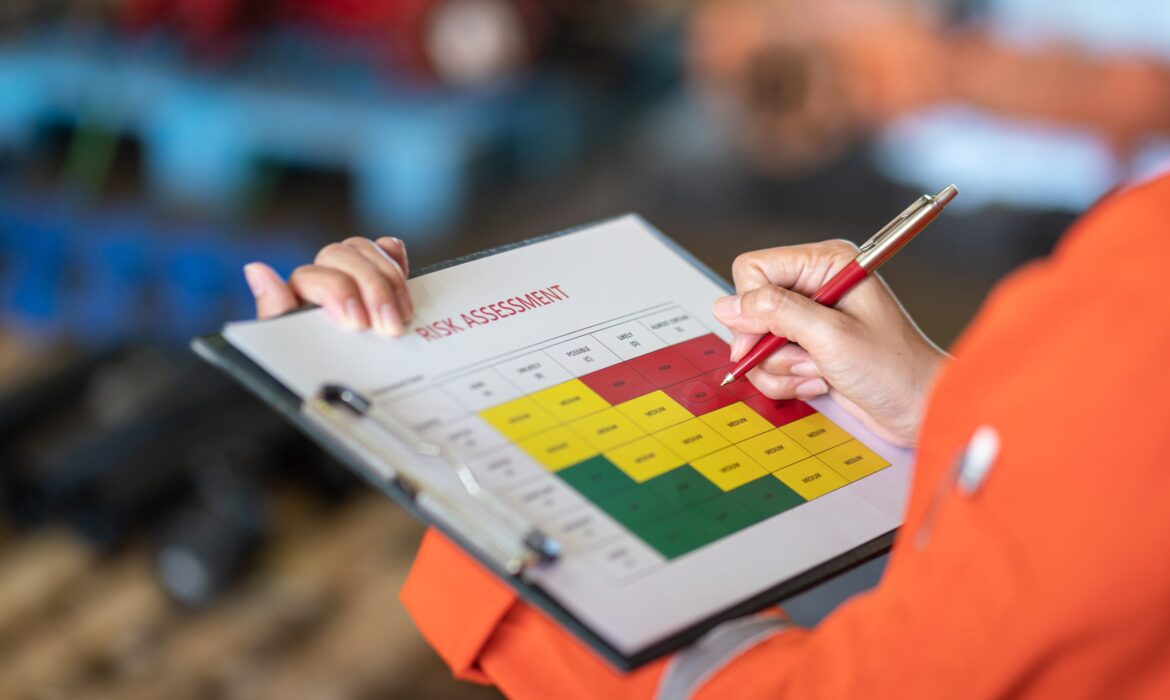
Elevate Workplace Safety: The Ultimate Guide to Hiring a WHS Consultant in Singapore (2026)
In the dynamic industrial landscape of Singapore, safety isn’t just a regulatory checkbox—it’s a fundamental pillar of business continuity. As we navigate through 2026, the demand for a qualified WHS consultant in Singapore has reached an all-time high. With the Ministry of Manpower (MOM) tightening its grip on safety standards and the “Workplace Safety and Health 2028” vision in full swing, businesses are realizing that a safer workplace is a more productive one.
At Proskill Workforce Pte Ltd, we understand that navigating the complexities of the Workplace Safety and Health (WSH) Act can be daunting. This comprehensive guide will walk you through the essential role of a WHS consultant, why your business needs one, and how to choose the right partner to safeguard your most valuable asset: your people.
What is a WHS Consultant in Singapore?
A WHS (Workplace Health and Safety) consultant—often referred to locally as a WSH consultant—is a certified professional or a consultancy firm that provides expert advice on safety management systems, risk mitigation, and legal compliance.
Unlike an in-house safety officer who manages day-to-day operations, a consultant offers a fresh, high-level perspective. They identify blind spots in your safety protocols, conduct independent audits, and ensure your business is fully aligned with current Singaporean legislation.
The Scope of a WHS Consultant’s Work
-
Risk Management: Identifying physical and psychosocial hazards.
-
Compliance Auditing: Ensuring adherence to MOM’s WSH Act and Approved Codes of Practice (ACOP).
-
bizSAFE Support: Guiding companies through the 5-level bizSAFE journey.
-
ISO Certification: Helping firms achieve ISO 45001 standards for Occupational Health and Safety.
-
Incident Investigation: Conducting root-cause analysis after workplace accidents to prevent recurrence.

The Strategic Importance of WHS Consultancy in 2026
Singapore’s “Heightened Safety Period” in recent years has set a precedent for a zero-tolerance policy toward workplace negligence. In 2026, the penalties for non-compliance have become more severe, but the benefits of proactive safety management have also increased.
Avoiding Legal and Financial Pitfalls
Partnering with a WHS consultant in Singapore helps you avoid heavy fines, demerit points, and work-stop orders (WSO). A single major accident can stall a construction project for months, leading to catastrophic financial losses.
Strengthening Tender Eligibility
If your business targets government contracts or works with multi-national corporations (MNCs), having a certified safety management system is often a prerequisite. A consultant ensures you meet bizSAFE Level 3 or higher, making you a preferred vendor in competitive tenders.
Key Services Offered by Proskill Workforce Pte Ltd
As a premier staffing and safety solutions provider, Proskill Workforce Pte Ltd offers a holistic approach to workplace safety. We don’t just provide a list of recommendations; we provide the talent and the systems to implement them.
1. Comprehensive Safety Audits
We conduct thorough gap analyses to see where your current safety measures fall short. This includes inspecting machinery, assessing chemical storage, and evaluating emergency response plans.
2. Risk Assessment (RA) and Management
In 2026, MOM has placed a significant focus on Heat Stress and Psychosocial Risks. Our consultants specialize in identifying these modern hazards and creating mitigation strategies that protect both the physical and mental well-being of your employees.
3. Safety Professional Placement
Need a MOM-registered Workplace Safety and Health Officer (WSHO) or a WSH Coordinator? We source and place highly qualified professionals who fit your specific industry needs, whether it’s Construction, Marine, Oil & Gas, or Manufacturing.
4. Training and Capability Building
We empower your workforce through tailored safety workshops. From top management (TEWP programme) to site supervisors, we ensure everyone understands their role in maintaining a safe environment.
WHS Consultant vs. In-House WSH Officer
Many businesses wonder whether they should hire a full-time officer or engage a consultant. The table below outlines the key differences to help you decide.
| Feature | In-House WSH Officer | WHS Consultant (Proskill) |
| Primary Focus | Day-to-day operations & site supervision. | Strategy, audits, and compliance logic. |
| Cost | Fixed monthly salary + benefits + CPF. | Project-based or retainer (Cost-effective). |
| Objectivity | May be influenced by internal politics. | Completely independent and objective. |
| Specialization | Generalist within the company. | Diverse expertise across multiple industries. |
| Scalability | Fixed resource. | Can scale up or down based on project needs. |
Why Choose Proskill Workforce Pte Ltd?
Choosing the right WHS consultant in Singapore is a decision that impacts your company’s reputation and legality. Here is why Proskill Workforce Pte Ltd stands as a beacon of excellence in this field:
-
Deep Local Knowledge: We are intimately familiar with Singapore’s MOM regulations and WSH Council guidelines. We don’t just follow the rules; we understand the spirit of the law.
-
Bespoke Solutions: We don’t believe in “copy-paste” safety manuals. Every risk assessment and safety plan we create is tailored to the unique operational realities of your business.
-
A “Zero-Harm” Culture: Our mission is to illuminate the path to success by fostering a culture where every worker returns home safe at the end of the day.
-
Multidisciplinary Expertise: Our team consists of seasoned safety professionals, engineering experts, and staffing specialists. This multidisciplinary approach allows us to solve complex problems from multiple angles.
-
Proven Track Record: We have helped numerous Singaporean firms transition from basic compliance to world-class safety standards, securing bizSAFE Star and ISO certifications along the way.
-
Cost-Effective Quality: We provide premium consultancy services that fit the budgets of SMEs and large enterprises alike, ensuring that high-level safety is accessible to all.
The 2026 Safety Checklist for Singapore Businesses
If you are operating in a high-risk sector, use this checklist to gauge your current safety status. If you tick “No” for more than two items, it’s time to call a WHS consultant in Singapore.
-
[ ] Does our CEO have a valid Top Executive WSH Programme (TEWP) certification?
-
[ ] Have we updated our Risk Assessments (RA) in the last 12 months?
-
[ ] Are our WSH Officers registered and up-to-date with their MOM licenses?
-
[ ] Do we have a proactive plan for managing Heat Stress for our outdoor workers?
-
[ ] Is our bizSAFE Level 3 (or Star) certification still valid?
-
[ ] Have we conducted a “Safety Time-Out” following any near-miss incidents?
Frequently Asked Questions (FAQ)
1. What is the difference between a WSH Officer and a WHS Consultant?
A WSH Officer is typically a registered individual responsible for the operational safety of a specific workplace. A WHS Consultant is an expert or firm that provides strategic guidance, conducts audits, and helps implement safety management systems across the whole organization.
2. Is it mandatory for every business in Singapore to have a WHS Consultant?
While not all businesses are legally required to hire a consultant, most workplaces with 20 or more employees (especially in construction or manufacturing) must appoint a WSH Officer. However, engaging a consultant is highly recommended for bizSAFE certification and ensuring the highest standards of compliance.
3. How much does it cost to hire a WHS consultant in Singapore?
The cost varies based on the scope of work—whether it’s a one-time bizSAFE audit, a comprehensive risk assessment, or a monthly retainer for managed safety services. Proskill Workforce Pte Ltd provides competitive pricing tailored to your specific needs.
4. Can a WHS consultant help us get bizSAFE Level 3?
Yes! Achieving bizSAFE Level 3 requires an independent audit by a MOM-approved auditing organization. A consultant guides you through the preparation, ensures your Risk Management (RM) plan is solid, and helps you navigate the audit process successfully.
5. What are the penalties for failing to comply with WSH regulations in 2026?
Penalties include heavy fines (up to $500,000 for corporations), demerit points that affect your ability to hire foreign workers, and potential imprisonment for directors if gross negligence is proven.
6. How often should we conduct a safety audit?
At a minimum, an internal review should happen annually. However, major audits for certifications like bizSAFE Star or ISO 45001 typically happen every three years, with interim surveillance audits to ensure standards are maintained.
Conclusion: Securing Your Business Future
In the competitive world of 2026, safety is the ultimate competitive advantage. A workplace that prioritizes the health and safety of its employees sees higher morale, lower turnover, and zero legal interruptions.
Don’t wait for an accident to realize the value of safety. Partner with Proskill Workforce Pte Ltd, your trusted WHS consultant in Singapore, and take a proactive step toward excellence. From staffing the right professionals to auditing your most complex systems, we are here to ensure your business thrives safely.
Ready to elevate your safety standards? Contact Proskill Workforce Pte Ltd today at +65-90900468 or email us at inquiry@proskillworkforce.com to begin your safety transformation journey.
Call: +65-8833 8400
Read:

The Strategic Power of IT Consultancy Services: Driving Digital Excellence in 2026
In an era where technology evolves at breakneck speed, businesses no longer view IT as a mere support function. Instead, it is the primary engine of growth. Navigating this complex landscape requires more than just hardware; it requires a roadmap. This is where it consultancy services become indispensable.
From optimizing legacy systems to spearheading digital transformation, IT consultants provide the expertise needed to align technological investments with overarching business goals. Whether you are a startup in Singapore or a multinational corporation, the right consultancy partner can be the difference between stagnation and market leadership.
What are IT Consultancy Services?
At its core, IT consultancy is an advisory service that helps organizations evaluate various technology strategies. Unlike managed service providers (MSPs) who focus on day-to-day maintenance, consultants focus on the “big picture.” They analyze your existing infrastructure, identify inefficiencies, and propose scalable solutions that drive ROI.
Core Pillars of Modern IT Consulting
- Strategic Planning: Developing long-term technology roadmaps.
- Infrastructure Assessment: Evaluating the health and security of hardware and networks.
- Cloud Integration: Transitioning from on-premise servers to agile cloud environments.
- Cybersecurity & Compliance: Protecting data assets and meeting global regulatory standards.
The Business Value of IT Consulting
Investing in expert advice pays dividends in operational efficiency and risk mitigation. Below is a breakdown of how these services impact different business metrics:
Efficiency and Cost Savings
Many businesses fall into the trap of purchasing expensive software that doesn’t fit their needs. A consultant ensures that every dollar spent on tech is purposeful. By automating workflows and optimizing resource allocation, companies can significantly reduce overhead.
Scalabiliy
As your business grows, your tech must grow with it. IT consultants design systems with elasticity in mind, ensuring that an increase in users or data doesn’t lead to system crashes or performance bottlenecks.
Comparative Analysis of IT Service Models
| Feature | IT Consultancy | Managed IT Services | In-House IT Team |
| Primary Focus | Strategy & Transformation | Maintenance & Support | Daily Operations |
| Cost Structure | Project-based | Monthly Subscription | Fixed Salary & Benefits |
| Expertise | Specialized/High-level | General/Operational | Specific to Company |
| Scalability | High | Medium | Low |

Key Trends in IT Consultancy for 2026
The landscape of it consultancy services has shifted dramatically. Today, consultants are focusing on three major frontiers:
1. Artificial Intelligence (AI) and Automation
Consultants are no longer just suggesting AI; they are building custom Large Language Models (LLMs) and automation pipelines tailored to specific industry niches. This reduces human error and accelerates data processing.
2. Cybersecurity Mesh Architecture
With remote work becoming a permanent fixture, the “perimeter” of a business has vanished. Consultants now implement cybersecurity mesh architectures that secure individual identities rather than just the office network.
3. Sustainable Tech (Green IT)
Global regulations are increasingly demanding carbon footprint disclosures. IT consultants help firms choose energy-efficient data centers and optimize code to reduce the environmental impact of their digital operations.
How to Choose the Right IT Consultant
Selecting a partner is a high-stakes decision. You need a team that understands your industry-specific challenges. For instance, a retail business needs different tech than a financial institution.
- Check Credentials: Look for certifications like CISSP, PMP, or AWS Certified Solutions Architect.
- Industry Experience: Have they worked with businesses in your region? If you are looking for local experts, checking a service map can help identify reputable firms nearby.
- Communication Style: Tech jargon is useless if it doesn’t translate to business results. Ensure your consultant can explain the “Why” behind the “How.”

Why Choose Proskill Workforce Pte Ltd?
At Proskillworkforce, we don’t just provide advice; we provide results. We believe that technology should be an asset, not a burden. Here is why businesses trust us with their digital future:
- Customized Roadmaps: We reject the “one-size-fits-all” approach. Every strategy we build is unique to your business DNA.
- Proven Expertise: Our team consists of industry veterans with decades of experience in software engineering, cybersecurity, and cloud migration.
- End-to-End Support: From the initial audit to the final implementation, we stay by your side to ensure a seamless transition.
- Data-Driven Insights: We use advanced analytics to track the performance of every implementation, ensuring you see a clear return on investment.
Frequently Asked Questions (FAQ)
1. What is the difference between IT consulting and IT outsourcing?
IT consulting focuses on providing expert advice and strategic direction. IT outsourcing is the practice of hiring an external party to perform specific tasks, such as coding or technical support, on a regular basis.
2. How much do IT consultancy services cost?
Pricing varies based on the complexity of the project and the consultant’s expertise. Most firms offer either an hourly rate or a flat project fee. At Proskillworkforce, we provide transparent pricing models tailored to your budget.
3. Does my small business really need an IT consultant?
Absolutely. Small businesses are often the biggest targets for cyberattacks and usually have the most to gain from automation. A consultant can help you pick affordable, scalable tools that prevent you from outgrowing your tech in six months.
4. How long does a typical IT consulting project take?
Short-term audits can take 2-4 weeks, while major digital transformation projects can last 6-12 months. We provide a detailed timeline at the start of every engagement.
Conclusion: Future-Proofing Your Business
The world of technology will not wait for your business to catch up. By leveraging professional it consultancy services, you gain a competitive edge that allows you to innovate faster and operate more securely.
Ready to transform your technology into a powerhouse for growth? Explore our latest service offerings or visit us at our office headquarters to start your journey toward digital excellence today.
Call: +65-8833 8400
Read: