Fire Safety Management Tips: Prevention and Workplace Safety
Workplace fire safety is a critical concern for every organization, demanding proactive measures to protect employees, assets, and business continuity. Get fire safety management tips understanding the risks, implementing effective fire prevention strategies, and ensuring everyone knows what to do when a fire occurs are paramount. This article provides essential fire safety tips and guidance to help businesses create a safer working environment, minimize the chance of a fire, and prepare for potential emergencies.
Understanding Fire Safety- Fire Safety Management Tips
What Are The Importance of Fire Safety in the Workplace?
Workplace fire safety is of utmost importance due to the potential for significant loss of life and property damage in Singapore. Implementing robust fire prevention measures is essential to minimize the risk of workplace fires. Regular fire drills and clear evacuation plans are critical for ensuring a swift and orderly evacuation should a fire occur. Equipping the workplace with fire extinguishers and ensuring employees are trained in their proper use can help to contain a small fire before it escalates, potentially saving lives and preventing extensive damage. Ignoring fire safety can lead to devastating consequences, including injuries, deaths, and substantial financial losses.
Common Causes of Workplace Fires
Several factors can contribute to workplace fires, including faulty electrical wiring, unattended cooking equipment, and improper storage of combustible materials. Overloaded electrical circuits and damaged wiring can easily spark a fire. Leaving heaters unattended or placing them too close to flammable items increases the risk of catching fire. Spilled flammable liquids and improperly stored chemicals can also ignite easily. Grease fires in kitchens are a common hazard, emphasizing the need for caution and proper cooking procedures, such as using a lid over the pan to smother the flames. Consistent attention to these common causes and diligent adherence to fire prevention measures can significantly reduce the likelihood of workplace fires.
Statistics on Workplace Fires
Statistics from organizations like the NFPA, or National Fire Protection Association, and the American Red Cross reveal the severity of workplace fires and underscore the importance of fire safety. Workplace fires result in significant financial losses each year. A significant number of deaths occur annually due to workplace fires, highlighting the human cost of inadequate fire safety. Many businesses never recover after a major fire, emphasizing the critical need for comprehensive fire prevention and emergency response plans. These statistics serve as a sobering reminder of the ever-present threat of fire and the necessity of prioritizing fire safety in every workplace.
Fire Prevention Strategies
Installing Smoke Alarms
One of the most crucial fire prevention measures is the proper installation and maintenance of smoke alarms. Smoke alarms provide an early warning, significantly increasing the chance of survival if a fire occurs. It’s recommended to install smoke alarms on every level of your home and workplace, especially outside sleeping areas. Regularly testing these alarms ensures they are functioning correctly. The NFPA and the American Red Cross advocate for monthly testing to confirm that the alarm sounds, providing that critical early warning needed to safely escape from fire. Make sure to replace batteries at least once a year, or consider using alarms with 10-year sealed batteries to enhance fire safety and reduce the risk of deaths.
Regular Maintenance of Fire Extinguishers
Maintaining fire extinguishers is a vital component of workplace fire safety. Understanding the types of fire extinguishers and their appropriate uses is essential for effectively combating a small fire before it escalates. Regular inspections should be conducted to ensure that fire extinguishers are easily accessible, fully charged, and in proper working condition. Employees should be trained on how to use a fire extinguisher correctly, following the PASS method (Pull, Aim, Squeeze, Sweep). By prioritizing the maintenance of fire extinguishers and providing adequate training, businesses can enhance their fire prevention capabilities and minimize the potential for extensive damage from workplace fires, improving overall fire safety. This is an important safety tip.
Safe Use of Heaters and Electrical Equipment
The safe operation of heaters and electrical equipment is crucial for preventing workplace fires. Heaters should never be left unattended and must be kept away from combustible materials to avoid them catching fire. Electrical equipment should be regularly inspected for frayed cords or damaged wiring, which can pose a significant fire hazard. Overloading electrical circuits should be avoided at all costs. It’s also essential to unplug appliances when not in use to reduce the risk of electrical fires. By adhering to these fire safety tips, such as not leaving heaters unattended, organizations can minimize the risk of workplace fires and enhance the overall fire prevention measures in place. It is also important to call 9-1-1.
 Why Choose Proskill Workforce For Fire Safety Manager Service Singapore?
Choosing Proskill Workforce for Fire Safety Manager Service Singapore ensures you receive expert guidance and practical fire safety management tips tailored to Singapore’s regulatory landscape:
Our certified trainers bring years of experience in fire risk assessments, emergency planning, equipment maintenance and evacuation drills, helping organizations meet SCDF compliance while improving on-site readiness.
We focus on hands-on training, clear documentation, and customized programs that address specific workplace hazards, provide actionable prevention strategies, and build confident fire safety managers who can implement robust fire response procedures and ongoing inspection routines.
With proven results, competitive pricing and strong client feedback, Proskill Workforce delivers comprehensive support that reduces fire risk, enhances staff competence and ensures your business remains safe and compliant.
Creating an Effective Fire Escape Plan
Components of a Fire Escape Plan
Creating an effective fire escape plan is essential for ensuring the fire safety of everyone in the workplace. A comprehensive fire escape plan should include clearly marked escape routes, easily accessible fire alarms, and well-maintained fire extinguishers. Designating primary and secondary escape routes is crucial, along with ensuring that all employees are familiar with them. The escape plan should also outline procedures for assisting individuals with disabilities during an evacuation. Regular reviews and updates to the fire escape plan are necessary to accommodate changes in the workplace layout or personnel. This safety tip is essential for preparedness if a fire occurs.
Conducting Fire Drills
Regular fire drills are a critical component of workplace fire safety, helping to reinforce the fire escape plan and ensure employees know what to do if a fire occurs. These drills should simulate real fire scenarios to familiarize everyone with the escape routes and procedures. Timing the evacuation during these drills helps to identify any bottlenecks or areas for improvement. After each drill, it’s important to conduct a post-drill review to discuss what went well and what could be improved. Documenting the outcomes of these drills and implementing necessary changes enhances the effectiveness of the fire escape plan, contributing to overall fire prevention and fire safety.
Designating Assembly Areas for Evacuation
Designating assembly areas as part of the fire escape plan is crucial for ensuring accountability during an evacuation. These areas should be located a safe distance from the building, away from potential hazards. Clearly marking and communicating the location of these assembly areas to all employees is essential. During a fire drill or actual fire, employees should proceed to the designated area immediately after evacuating the building. A designated person should take a headcount to ensure everyone is accounted for. Reporting any missing individuals to the fire department promptly can help them focus their search and rescue efforts effectively, improving overall fire safety.
Fire Safety Management Tips for Employees
Identifying Fire Hazards
Identifying fire hazards is a crucial aspect of workplace fire safety. Employees should be trained to recognize potential sources of ignition and fuel, such as improperly stored combustible materials, faulty electrical wiring, and overheated equipment. Regularly inspecting the workplace for these hazards and promptly reporting them can significantly reduce the chance of a fire. Be vigilant about areas where grease fires easily occur, like kitchens, and ensure that flammable liquids are stored correctly. Addressing these hazards proactively is an essential part of fire prevention measures and fire safety.
Practicing Safe Behaviors in the Workplace
Practicing safe behaviors in the workplace is vital for preventing workplace fires. This includes avoiding the unsafe use of heaters, ensuring proper ventilation when working with flammable materials, and maintaining clear escape routes. Employees should be reminded to unplug electrical appliances when not in use and to never leave cooking equipment unattended. Simple actions like properly disposing of flammable waste and keeping work areas clean can significantly minimize the risk of a fire occurring. Promoting a culture of safety and awareness helps everyone contribute to fire prevention and overall fire safety.
Reporting Unsafe Conditions
Promptly reporting unsafe conditions is an integral part of maintaining workplace fire safety. Employees should be encouraged to report any potential fire hazards, such as damaged electrical cords, malfunctioning equipment, or improperly stored combustible materials. Creating a system for reporting and addressing these concerns ensures that problems are resolved quickly, reducing the chance of a fire. Remind employees that reporting a potential hazard is a proactive step in fire prevention measures and can prevent serious incidents. Making sure people know to call 9-1-1 in case of an emergency is paramount for fire safety.
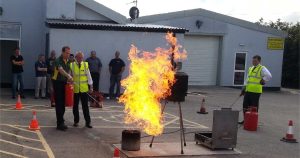 Home Fire Safety Comparison
Fire Safety Tips for Home vs. Workplace
Comparing fire safety tips for home and the workplace highlights key differences and similarities. While both environments require smoke alarms on every level and well-defined escape plans, specific hazards differ. In the workplace, electrical equipment and combustible materials pose greater risks, while homes often face hazards related to cooking and heating. Both settings benefit from regular maintenance of fire extinguishers and awareness of potential hazards. For the home, consider home escape routes. Reinforcing these fire safety tips ensures a safer environment, whether at work or at every level of your home.
Common Fire Hazards at Home
Identifying common fire hazards at home is essential for effective fire prevention. Cooking-related incidents, such as leaving a stove unattended or allowing grease fires, are frequent causes of home fires. Electrical hazards, including overloaded circuits and frayed cords, also pose significant risks. Improper storage of flammable liquids and neglecting to maintain heating equipment can further increase the likelihood of a fire. Taking proactive steps to address these common hazards, such as installing and maintaining smoke alarms, significantly improves home fire safety. Remember these safety tips to protect your home and family.
Escape Plans for Home Fires
Creating and practicing escape plans for home fires can be life-saving. Ensure that every level of your home has working smoke alarms to provide an early warning. Develop a detailed escape plan that includes multiple escape routes and a designated meeting point outside the home. Conduct regular fire drills with your family to familiarize everyone with the plan and identify any potential obstacles. Knowing what to do if a fire occurs and practicing the escape routes can dramatically increase your chance of safe escape from fire and reduce the risk of deaths.
FAQ:
Workplace fire safety: What are the top tips to keep staff safe?
Prioritize clear evacuation procedures, regular fire drills, and maintained fire detection systems so smoke alarm sounds are heard by everyone. Keep exit routes unobstructed, ensure employees know to use the stairs (not elevators) during a fire, and designate a meeting place outside. Replace batteries once a year in portable alarms and test systems monthly. Training should cover how to call for help, how to slide a lid over small grease catches fire incidents on the stove, and how to soak butts with water and store butts with water before discarding to prevent careless-caused fires.
Safety topics: How can I prevent common causes of fires at home?
Address common cause fires by keeping matches and lighters up high and out of children’s reach, not leaving cooking unattended where grease catches fire, and replacing or repairing faulty wiring. Avoid using upholstered furniture for smoldering cigarettes and always soak butts with water before discarding. Keep pets away from heaters and never leave candles unattended. These safety topics reduce risks and lower fire deaths and property loss.
Escape from fire: What should I do if I hear a smoke alarm sounds in my building?
Act immediately—do not hesitate. If you can safely leave, use the stairs and follow your building’s escape route to the meeting place outside. If you smell heavy smoke or see flames and cannot exit, close doors between you and the fire, call for help, and signal from a window. Never re-enter the building until firefighters declare it safe.
Workplace fire safety: How much time do I have to escape from fire and what does “two minutes to escape” mean?
“Two minutes to escape” is a guideline emphasizing that modern fires can become life-threatening quickly; you may have as little as two minutes from smoke alarm sounds to exit safely. Prepare by identifying at least two exits, keeping evacuation routes clear, and practicing drills so everyone can evacuate within that short window.
Safety topics: What are effective personal actions if smoke prevents normal exit—should I cover my face or crawl on your hands and knees?
If smoke fills the room, cover your face with a cloth if possible and crawl on your hands and knees to stay below smoke and toxic gases. Move quickly but carefully to the nearest exit or a room with an exterior window if escape is blocked, close doors to slow the spread of fire, and call for help to inform firefighters of your location.
Escape from fire: Is it ever safe to re-enter the building after a fire for belongings?
No—do not re-enter the building until emergency responders have declared it safe. Fire scenes can hide hazards like structural collapse, hot spots, and lingering smoke. Re-entering prematurely increases the risk of injury or death.
Workplace fire safety: What should workplaces do about smoking and disposal of cigarette butts to prevent fires?
Establish designated outdoor smoking areas with proper receptacles, require smokers to soak butts with water and use approved ashtrays, and instruct staff to keep butts with water before discarding. Avoid allowing smoking near flammable materials or upholstered furniture for smoldering cigarettes to reduce the chance of ignition and fires in the united states statistics.
Safety topics: How can children and pets be kept safe around heat sources and open flames?
Keep pets away from heaters and stoves, secure matches and lighters up high, and supervise children around candles and cooking. Educate family members on basic response—call for help if a fire starts, cover your face from smoke, and crawl on hands and knees if escape routes are smoky. These precautions help prevent accidental fires and reduce fire deaths.
Call: +65-8833 8400
Read:

FSM Roles And Responsibilities Singapore
In Singapore, FSM roles and responsibilities Singapore is vital for ensuring the safety of occupants within premises. This article delves into the responsibilities of an FSM, how to become a fire safety manager, and the importance of their role in maintaining fire safety standards across Singapore. The FSM services are crucial for fire prevention and ensuring effective emergency response in the event of a fire, aligning with the requirements set forth by the Singapore Civil Defence Force (SCDF) and the Fire Safety Act.
Understanding the FSM Roles and Responsibilities Singapore
Definition of a Fire Safety Manager
A Fire Safety Manager (FSM) in Singapore is a trained and certified professional responsible for implementing and managing fire safety measures within a premise. According to the Fire Safety Act, building owners are obligated to appoint a fire safety manager for specific types of buildings to ensure compliance with fire safety requirements. The FSM acts as the key liaison between the building occupants, the SCDF, and other relevant authorities. The role of fire safety is to protect lives and property by preventing fires and ensuring effective emergency response within the premises.
What Are Key Responsibilities of an FSM?
The responsibilities of a fire safety manager are extensive and critical for maintaining a safe environment. An FSM has several key duties, including:
- Developing and implementing an emergency response plan.
- Conducting fire drills regularly and ensuring all fire safety systems are in optimal working condition.
They also oversee fire safety inspections, identify fire hazards, and implement fire prevention strategies. Preparing an annual fire safety report is another key duty of a fire safety manager, which must be submitted to the SCDF as stipulated in the Singapore Statutes Online. Furthermore, they are responsible for promoting fire safety awareness among the occupants within the premises and ensuring that all fire safety measures comply with the fire code. Implementing an arson prevention plan is also an essential part of their responsibilities.
Importance of Fire Safety in Singapore
Fire safety is of paramount importance in Singapore, a densely populated urban environment. The stringent fire safety standards and the requirement to appoint a fire safety manager reflect the nation’s commitment to protecting lives and property from fire risk. The SCDF plays a pivotal role in enforcing these standards, conducting regular fire safety inspections, and ensuring that building owners adhere to the Fire Safety Act. The effectiveness of local fire safety measures relies heavily on the diligence and expertise of FSMs, who are tasked with preventing fires and managing fire emergency situations effectively. Through fire safety training, regular fire drills, and the implementation of comprehensive emergency response plans, FSMs help to minimize the potential impact of fires. If directed by the Commissioner, the FSM must conduct at least the number of exercises within the premises.
 Duties of a Fire Safety Manager
Conducting Fire Safety Inspections
One of the primary duties of a fire safety manager (FSM) in Singapore is to conduct thorough fire safety inspections. These inspections are crucial for identifying potential fire hazards and ensuring that all fire safety measures are in compliance with the fire code. The FSM must regularly inspect premises to check the functionality of fire safety systems such as fire alarms, sprinkler systems, and fire extinguishers. These fire safety inspections also involve verifying that evacuation routes are clearly marked and unobstructed, ensuring the safety of all occupants within the premises in the event of a fire. By identifying and addressing fire risks proactively, the fire safety manager plays a vital role in fire prevention and fire protection.
Developing Emergency Response Plans
Developing a comprehensive emergency response plan is one of the critical responsibilities of a fire safety manager (FSM). The creation of a detailed evacuation strategy is key, and this involves several important elements:
- Designated evacuation routes
- Clearly identified assembly points
- Protocols for assisting individuals with disabilities
Regular fire drills are essential to test the effectiveness of the emergency response plan and ensure that occupants are familiar with evacuation procedures. The FSM must also coordinate with the Singapore Civil Defence Force (SCDF) to align the emergency response plan with local fire safety standards. Furthermore, the fire safety manager should establish a fire safety committee to support the implementation and maintenance of the emergency response plan.
Preparing Fire Safety Reports
Preparing a fire safety report is an essential duty of a fire safety manager in Singapore, as mandated by the Singapore Statutes Online and the Fire Safety Act. The FSM must compile a comprehensive annual fire safety report that documents all fire safety inspections, fire prevention measures, and emergency preparedness activities conducted within the premises. This report should include details of any identified fire hazards, corrective actions taken, and the status of fire safety systems. The fire safety report must be submitted to the SCDF for review, ensuring compliance with fire safety requirements. The FSM is also responsible for maintaining accurate records of all fire safety training and fire drills conducted. By meticulously documenting fire safety measures, the fire safety manager contributes to maintaining high fire safety standards.
Why Choose Proskill Workforce For Fire Safety Manager Service Singapore?
Proskill Workforce offers experienced, certified professionals who understand FSM roles and responsibilities Singapore employers require, including risk assessments, fire prevention planning, emergency response coordination and compliance with SCDF regulations.
Our Fire Safety Managers are trained to implement robust fire safety systems, conduct regular inspections and drills, and provide comprehensive documentation to ensure your premises meet statutory obligations.
With local expertise, prompt deployment and a customer-focused approach, Proskill Workforce delivers reliable, cost-effective solutions that protect people, property and business continuity.
How to Become a Fire Safety Manager in Singapore
Educational Requirements
To become a fire safety manager (FSM) in Singapore, certain educational qualifications are necessary, as stipulated by the Singapore Civil Defence Force (SCDF). Generally, applicants need to possess a degree or diploma in a relevant field such as engineering, architecture, or building management. These academic backgrounds provide a solid foundation for understanding fire safety standards and implementing effective fire safety measures within the premises. Additionally, some FSM services may require specific certifications or licenses related to fire protection and fire prevention. It’s essential for aspiring fire safety managers to check the latest requirements set by the SCDF and the Fire Safety Act to ensure they meet the necessary educational criteria. Pursuing additional fire safety training can also enhance one’s prospects in this field.
Certification and Training Programs
To become a fire safety manager in Singapore, it’s essential to go beyond basic education. Obtaining relevant certifications and completing specialized fire safety training programs are key. The SCDF approves several fire safety manager courses designed to equip individuals with the necessary knowledge and skills. These courses cover essential areas, including:
- Fire prevention
- Emergency response plan development
- Fire safety inspections
- Compliance with the fire code
Completing such programs enhances the competency of aspiring FSMs and prepares them to manage fire risk and ensure the safety of occupants within the premises. Certifications such as the Registered FSM are often required to appoint a fire safety manager for certain types of buildings.
Utilizing the e-FSM Portal for Applications
The e-FSM portal is an essential online platform established by the SCDF to facilitate the application and management processes related to fire safety managers in Singapore. This portal allows building owners and aspiring FSMs to submit applications for fire certificates, register as a fire safety manager, and access relevant resources and guidelines. Within the premises of the e-FSM portal, users can update their credentials, track the status of their applications, and receive important notifications from the SCDF. The e-FSM portal streamlines the administrative aspects of fire safety compliance and ensures that all stakeholders have easy access to the information they need. The e-FSM is designed to align with the Singapore Statutes Online and the Fire Safety Act.
 Fire Safety Manager Services Offered
Fire Prevention Strategies
Fire prevention is a cornerstone of the fire safety manager services offered in Singapore. A fire safety manager (FSM) develops and implements comprehensive strategies to minimize fire risk and protect occupants within the premises. These strategies often include conducting regular fire safety inspections to identify potential fire hazards, ensuring that fire safety systems are properly maintained, and promoting fire safety awareness among the occupants. The FSM also plays a crucial role in fire safety in implementing an arson prevention plan to safeguard against deliberate acts of arson. By proactively addressing fire hazards and fostering a culture of fire safety, the FSM helps to prevent fire emergencies and protect lives and property, adhering to the fire code.
Annual Fire Safety Audits
Annual fire safety audits are a vital component of the fire safety measures managed by a fire safety manager (FSM) in Singapore. These audits involve a thorough assessment of all aspects of fire safety within the premises, ensuring compliance with the Fire Safety Act and fire safety standards set by the Singapore Civil Defence Force (SCDF). During a fire safety inspection, the FSM verifies the functionality of fire alarms, sprinkler systems, and other fire protection equipment. The audit also assesses the effectiveness of the emergency response plan and the readiness of the fire safety committee. The findings of the annual fire safety audit are documented in a fire safety report submitted to the SCDF, demonstrating a commitment to maintaining high fire safety standards.
Consultation Services for Premises
FSM services often include consultation for building owners and management to enhance fire safety within the premises. A fire safety manager (FSM) offers expert guidance on fire prevention, fire protection, and compliance with fire safety requirements mandated by the Singapore Civil Defence Force (SCDF). These consultation services cover various aspects of fire safety, including the design and implementation of fire safety systems, the development of emergency response plans, and strategies for fire risk mitigation. The FSM advises on the selection of appropriate fire safety measures, such as fire alarms, fire extinguishers, and sprinkler systems, tailored to the specific needs of the premises. The FSM assists building owners in obtaining a fire certificate.
FAQ:
What is the role of fire safety and how does it relate to establishing a fire safe environment?
The role of fire safety is to develop and maintain measures that reduce the risk of fire and ensure evacuation in the event of fire; this includes carrying out fire safety works, ensuring compliance with fire safety regulations, maintaining fire safety equipment and promoting fire safety practices to establish a fire safe environment within the premises.
What are key fsm services required to comply with local fire safety regulations?
FSM services typically include appointing an FSM or certified fire safety manager to develop and maintain a fire emergency plan, inspect and service fire safety equipment, coordinate fire fighting and evacuation drills, liaise with the fire command centre and ensure the premises meet fire safety requirements contained in local fire safety regulations.
What is the role of fire in coordinating evacuation in the event of fire or other related emergencies?
The role of fire coordination involves the company emergency response team and the FSM supervising the occupants of the premises, co-ordinating and supervising the occupants within the premises in fire, and ensuring timely evacuation in the event by following the plan for those premises and the operation of the fire command centre when activated.
How do you appoint an FSM or senior fire safety manager and what qualifications are expected?
To appoint a senior fire safety manager or certified fire safety manager, organisations must select a competent person who can ensure at all times compliance with fire safety regulations, develop and maintain the fire emergency plan, conduct at least 2 fire drills within the premises each year, and be capable of supervising the occupants and company emergency response team during fire or other related emergencies.
What are the responsibilities of fsm services regarding fire fighting and evacuation exercises?
FSM services must plan for the premises, co-ordinate and supervise the occupants during drills, ensure fire fighting and in evacuation procedures are practised, test the effectiveness of the arson prevention measures, maintain fire safety equipment, and conduct at least 2 drills within the premises each year to verify readiness.
What procedures apply if a new FSM needs to be appointed or there is termination of FSM?
If a new FSM is appointed, the organisation should appoint an FSM within 90 days or as required by local fire safety regulations, provide handover of the fire emergency plan and fire safety works records; in the event of termination of FSM the employer must ensure continuity by appointing a replacement promptly and maintaining compliance with fire safety requirements contained in the law.
How does the fire command centre and company emergency response team operate during an event of fire?
The operation of the fire command centre involves monitoring alarms, coordinating communications with the fire service and the company emergency response team, and executing the plan for the premises; the team supports fire fighting and evacuation, supervises the occupants, and acts on instructions as may be directed to control the incident and protect life and property.
How can organisations ensure high standard of fire safety and ongoing compliance with fire safety regulations?
Organisations should appoint a senior fire safety manager or certified fire safety manager, implement regular fire safety works, maintain fire safety equipment, conduct audits and drills, ensure compliance with fire safety requirements contained in local fire safety regulations, and maintain training so occupants of the premises and the company emergency response team know their roles in the event of fire.
Call: +65-8833 8400
Read:

Resident Engineer: Career Path to Ensure Project Success in Singapore
The role of a RE in construction is pivotal in Singapore’s bustling construction industry. They are the linchpin in ensuring that projects not only meet but exceed expectations, contributing significantly to the overall project success. A career as a resident engineer offers a dynamic and rewarding path for those passionate about shaping Singapore’s urban landscape. This article will delve into the specifics of this essential role, shedding light on the responsibilities of a resident engineer, the required qualifications, and the pathway to becoming a successful resident engineer in Singapore.
Understanding the Role of a RE in Construction
Definition and Importance of a RE in Construction
A resident engineer plays a crucial role in the world of construction. They are the on-site representative of the design engineer and the project manager, ensuring that construction activities align with the drawings and specifications outlined in the construction contract. A resident engineer’s primary responsibility is to oversee the execution of a construction project, acting as the eyes and ears on the ground. Their work is essential for quality control and ensuring compliance with the plans and specifications and quality standards. The resident engineer ensures that the project goals are met within the agreed timeline and budget, making them indispensable to project success. Their understanding of construction allows them to effectively coordinate between various stakeholders and address any on-site challenges that may arise. They must have a degree in civil engineering to be able to perform their responsibilities as a resident engineer.
Key Responsibilities of a Resident Engineer
The responsibilities of a resident engineer are diverse and demanding, requiring a blend of technical expertise and project management skills. Working as a resident engineer involves overseeing construction, interpreting drawings and specifications, and ensuring that all construction activities align with the project’s contractual requirements. A resident engineer plays a crucial role in quality control, ensuring that the project adheres to the highest quality standards and safety regulations. They act as a key point of contact, coordinating with the project manager, contractors, and other stakeholders to facilitate effective communication and problem-solving. The resident engineer also documents progress, identifies potential issues, and implements corrective actions to maintain the project timeline. The resident engineer ensures project success by providing expert guidance and oversight throughout the entire construction project.
Resident Engineer on a Project: A Critical Component
A resident engineer is a critical component of any civil engineering and construction project, serving as the link between the design phase and the actual construction process. Their on-site presence allows for immediate identification and resolution of issues, preventing costly delays and ensuring that the project proceeds smoothly. The resident engineer’s expertise is vital for maintaining quality standards and ensuring that the project adheres to all relevant regulations. They work closely with project engineers, contractors, and other stakeholders to coordinate activities and ensure that everyone is working towards the common goal of project success. A professional engineer ensures that the construction management adheres to the drawings and specifications outlined in the construction contract, safeguarding the integrity of the project’s design. The resident engineers ensure the project is done correctly. They may be accredited by organizations like FIDIC.
Career Path to Becoming a RE in Construction

Educational Requirements and Qualifications for RE in Construction
Embarking on the career path to becoming a resident engineer typically begins with a solid educational foundation. A degree in civil engineering or structural engineering is generally the minimum requirement. In addition to the degree, professional certifications, such as registration as a professional engineer (PE), are highly valued and often required for senior positions. Gaining practical experience through internships or entry-level positions in construction management or civil engineering firms is essential. The construction contract and project’s specification needs to be understood. The resident engineer plays an important role, and their degree in civil engineering helps them ensure project quality.
| Education | Experience |
|---|---|
| Degree in civil engineering or structural engineering | Internships or entry-level positions in construction management or civil engineering firms |
| Professional Engineer (PE) certification (often required for senior positions) | Understanding of construction contracts and project specifications |
Essential Skills for a Successful Career
To thrive in the role, a resident engineer must possess a diverse skill set. Strong project management skills are crucial for overseeing construction, coordinating teams, and ensuring that project timelines and budgets are met. A deep understanding of construction materials, methods, and safety regulations is essential for maintaining quality standards and preventing accidents on-site. Effective communication and interpersonal skills are necessary for interacting with project engineers, contractors, and other stakeholders, facilitating collaboration and resolving conflicts. Problem-solving abilities are vital for addressing unexpected challenges that may arise on the construction site. Ultimately, success as a resident engineer hinges on a combination of technical expertise, leadership qualities, and the ability to ensure project goals are achieved. The responsibilities of a resident engineer are many, and they must understand the construction activities.
Progression Opportunities and Career Growth
A career as a resident engineer offers ample opportunities for advancement and professional development. With experience and proven performance, a resident engineer can progress to more senior roles, such as senior resident engineer, project manager, or construction manager. Specialization in a particular area of civil engineering, such as structural engineering or geotechnical engineering, can further enhance career prospects. Pursuing advanced certifications, such as those offered by FIDIC, can demonstrate expertise and commitment to professional excellence. Continuous learning and staying abreast of the latest industry trends and technologies are crucial for maintaining a competitive edge and maximizing career growth potential. The resident engineers ensure project success, and working as a resident engineer is a rewarding career path. The resident engineer’s ability to coordinate well ensures project activities align with design plans.
Construction Management and the Role of RE in Construction
Integration with Project Engineers
The integration of the resident engineer with project engineers is fundamental to the success of any construction project. The resident engineer plays a pivotal role in translating the design engineer’s vision into reality on the construction site. Effective project management requires close collaboration between the resident engineer and project engineers, ensuring that construction activities align with the plans and specifications. The resident engineer‘s on-site expertise complements the project engineer’s design knowledge, facilitating informed decision-making and problem-solving. Overseeing construction necessitates that the resident engineer possesses a comprehensive understanding of construction methods and materials, allowing them to effectively communicate with project engineers and stakeholders, resolving any discrepancies and maintaining quality standards throughout the construction project. A degree in civil engineering ensures a basis for this effective collaboration.
Utilizing Management Software for Project Success
The modern world of construction increasingly relies on sophisticated construction management software to streamline operations and ensure project success. Resident engineers ensure that the software’s implementation is correct. The software aids in project management by facilitating efficient tracking of construction activities, resources, and timelines. The resident engineer can leverage such software to monitor progress against the construction contract, identify potential delays, and implement corrective actions promptly. These software solutions also enhance communication among stakeholders, providing a centralized platform for sharing information, documents, and updates. By utilizing these tools, the resident engineer can optimize resource allocation, minimize risks, and maintain quality standards, contributing to the overall success and timely completion of the construction project. Efficient construction activities align with the drawings and specifications thanks to management software.
Best Practices in Construction Management
Adhering to best practices in construction management is crucial for the effective execution of any construction project. Effective project management starts with a well-defined project plan that outlines clear objectives, timelines, and resource allocation. Proactive risk management involves identifying potential challenges and implementing mitigation strategies to minimize their impact. Regular site inspections and quality control checks are essential for maintaining quality standards and ensuring compliance with the specifications. Clear and open communication among all stakeholders fosters collaboration and prevents misunderstandings. Implementing safety protocols and providing adequate training are paramount for protecting workers and preventing accidents on the construction site. By embracing these best practices, the resident engineer can optimize efficiency, minimize risks, and ensure project success, and the resident engineers ensure all these practices are followed. Overseeing construction includes incorporating these practices. The responsibilities of a resident engineer include guaranteeing the implementation of these practices. The timeline is also monitored with the best practices.

Additional Resources and Related Articles
Further Reading on RE in Construction Responsibilities
To gain a deeper understanding of construction and the nuanced responsibilities of a resident engineer, professionals can consult several authoritative resources. Industry publications, such as journals from the Institution of Engineers Singapore (IES) and the Singapore Contractors Association Limited (SCAL), offer valuable insights into local construction activities and best practices. Academic textbooks on civil engineering and construction management provide a theoretical foundation for the role. Online resources, including webinars and articles from reputable engineering and construction firms, offer practical advice and case studies. Government agencies, such as the Building and Construction Authority (BCA), provide guidelines, regulations, and standards that govern construction projects in Singapore. By leveraging these resources, aspiring and practicing resident engineers can enhance their knowledge and expertise, coordinate effectively, and excel in their career path. They can ensure project success by overseeing construction correctly. The professional should have a degree in civil engineering.
Insights from Industry Experts
Gaining insights from experienced professionals in the field can provide invaluable guidance for those pursuing a career as a resident engineer. Industry experts often share their knowledge and experiences through conferences, workshops, and mentorship programs. These platforms offer opportunities to learn from seasoned resident engineers who have successfully managed complex construction projects and navigated various challenges. Expert opinions can shed light on best practices in project management, effective communication strategies, and innovative approaches to problem-solving. Learning from the successes and failures of others can help aspiring resident engineers develop the skills and mindset needed to thrive in this demanding role. By actively seeking mentorship and networking with industry experts, individuals can accelerate their professional development and maximize their potential for project success. Their understanding of construction will grow. The professional engineer will be prepared for the on-site challenges.
Case Studies Demonstrating Project Success
Examining case studies of successful construction projects provides tangible examples of how resident engineers contribute to positive outcomes. These case studies highlight the specific challenges faced during a construction project, the strategies employed by the resident engineer to address those challenges, and the ultimate results achieved. By analyzing these examples, professionals can gain a deeper understanding of construction and the critical role of the resident engineer in ensuring project goals are met. Case studies often showcase the importance of effective communication, proactive risk management, and adherence to quality standards. They may also highlight the use of innovative technologies and best practices in construction management. By studying these real-world scenarios, aspiring and practicing resident engineers can learn valuable lessons and apply them to their own construction projects, ultimately enhancing their ability to coordinate and ensure project success. The resident engineers ensure the project’s timeline is followed and the plans and specifications are met.
Call: +65-8833 8400
Read:

Singapore Quality Manager Jobs: Outsource Options Available
In Singapore’s dynamic business landscape, maintaining high quality standards is crucial for success. So, outsource quality manager is a good idea. Many companies are seeking skilled quality managers to oversee their processes and ensure compliance. This article will explore the growing demand for quality manager jobs in Singapore, outline the key responsibilities and qualifications required, and discuss the option of outsourcing these roles to enhance operational efficiency and strategic sourcing.
Outsource Quality Manager: Overview of Quality Manager Jobs in Singapore
Current Demand for Quality Managers
The demand for quality manager jobs in Singapore is consistently high across various industries, particularly in manufacturing and technology. As businesses strive for operational efficiency and adherence to quality standards, the need for professionals specializing in quality assurance and quality control intensifies. Companies actively source experienced quality managers to lead quality improvement initiatives and ensure compliance with both local and international regulations. This demand reflects Singapore’s commitment to maintaining its reputation for excellence and continuous improvement. The rise of e-commerce and global supply chains has further amplified the need for quality management professionals to oversee the quality of products and services.
Key Responsibilities of a Quality Manager
A quality manager in Singapore is responsible for maintaining and improving quality standards. They perform various tasks, including developing and implementing quality management systems and managing contracts. Their responsibilities can be summarized as follows:
| Area | Responsibilities |
|---|---|
| Quality Management Systems | Develop and implement systems; conduct audits; analyze data; implement corrective actions. |
| Contract Management | Work with suppliers to ensure procurement meets sourcing requirements. |
Additionally, they support continuous improvement and communicate quality-related information.
Qualifications for Quality Manager Roles
To excel in quality manager roles in Singapore, candidates typically require a bachelor’s degree in a relevant field such as engineering, science, or quality management. Possession of certifications in quality assurance or quality control is highly valued by employers. Strong analytical skills are essential for data analysis, evaluating quality issues, and implementing effective solutions. Excellent communication and interpersonal skills are needed to collaborate with various stakeholders, including suppliers, clients, and internal teams. Experience in contract management and strategic sourcing is also advantageous, as quality managers often oversee supplier relationships and procurement processes. A thorough understanding of industry-specific quality standards and regulations is crucial for ensuring compliance and driving continuous improvement initiatives within the organization. The salary expectations for quality manager jobs in Singapore reflect the importance and complexity of these roles.
Outsource Quality Manager: Options for Quality Management
Benefits of Outsourcing Quality Management
Outsourcing quality management in Singapore presents a multitude of benefits for businesses aiming to enhance operational efficiency and maintain stringent quality standards. By strategically choosing to outsource, companies gain access to a pool of specialized expertise in quality assurance and quality control. This allows internal resources to focus on core competencies and strategic initiatives, fostering innovation and driving overall business growth. Outsourcing can significantly reduce overhead costs associated with hiring, training, and managing in-house quality teams. It also offers flexibility, allowing businesses to scale their quality management efforts up or down based on fluctuating demands and specific project requirements. Ultimately, outsourcing empowers Singapore companies to optimize their quality processes, maintain compliance, and achieve continuous improvement.
Popular Outsourcing Destinations for Singapore Businesses
When considering outsourcing quality management, Singapore businesses often explore several popular destinations known for their cost-effectiveness and skilled workforce. Key factors in the decision-making process often involve an evaluation of different countries based on their strengths.
| Country | Key Advantages for Outsourcing Quality Management |
|---|---|
| India | Large pool of qualified professionals specializing in quality assurance, quality control, and process optimization. |
| The Philippines | Competitive labor costs and strong English language proficiency. |
| Malaysia | Geographical proximity to Singapore and cultural similarities. |
| Vietnam | Cost-effective alternative, attracting companies seeking manufacturing quality support and adherence to quality standards. |
Each location offers unique advantages, and Singapore businesses carefully evaluate their specific needs and sourcing requirements to make informed decisions. Proskill Workforce PTE LTD is one of the best option.
Challenges in Outsourcing Quality Management
While outsourcing quality management presents numerous benefits, Singapore businesses must be aware of potential challenges and proactively mitigate risks to ensure a successful partnership. Communication barriers, stemming from language differences or cultural nuances, can impede effective collaboration and hinder the resolution of quality issues. Maintaining quality standards across geographically dispersed teams requires meticulous planning, clear communication protocols, and robust monitoring systems. Ensuring data security and protecting intellectual property is paramount, necessitating stringent contract management and adherence to privacy regulations. Furthermore, potential supply chain disruptions and logistical complexities may arise, requiring proactive risk management strategies to minimize impact on operational efficiency. By carefully addressing these challenges, Singapore businesses can optimize their outsourcing arrangements and foster long-term, mutually beneficial relationships with their outsourcing partners, ultimately supporting continuous improvement initiatives and maintaining adherence to quality standards.

Procurement Strategies for Quality Management- Outsource Quality Manager
Understanding Procurement in Quality Management
In the context of quality management, procurement plays a pivotal role in ensuring that goods and services meet the required quality standards. Effective procurement strategies are essential for minimizing quality issues and maintaining compliance throughout the supply chain. A quality manager must understand how procurement processes impact the overall quality of products and services. This understanding includes evaluating suppliers, negotiating contracts, and monitoring supplier performance. By integrating quality considerations into the procurement process, organizations in Singapore can proactively address potential risks and ensure that procured items align with their quality objectives. This also includes understanding strategic sourcing options and how they support quality improvement. Therefore, a skilled quality assurance manager’s role extends to overseeing procurement activities, ensuring that sourcing processes align with the quality management system.
Best Practices for Sourcing Quality Management Services
When sourcing quality management services, several best practices can help ensure optimal outcomes. Firstly, clearly define the sourcing requirements and objectives. Conduct thorough due diligence on potential suppliers. Prioritize suppliers with relevant certifications and adherence to international quality management systems. Establish clear contracts. Foster collaborative relationships with suppliers. Regularly evaluate supplier performance through audits and feedback sessions to identify areas for continuous improvement. By following these best practices, Singapore businesses can effectively source quality management services that meet their needs and contribute to operational efficiency. For example, Singapore’s manufacturing industry can greatly benefit from these practices.
| Best Practice Area | Key Actions |
|---|---|
| Supplier Selection | Conduct thorough due diligence. Prioritize certified suppliers. |
| Performance Management | Regularly evaluate supplier performance through audits. |
These strategies are helpful when outsourcing quality management processes and adhering to quality standards.
Evaluating Quality Management Suppliers
Evaluating quality management suppliers is a critical step in ensuring that a Singapore company’s quality standards are maintained. This evaluation should encompass several key factors. First, assess the supplier’s experience and expertise in the specific industry and area of quality management. Look for evidence of successful projects and satisfied clients. Second, evaluate the supplier’s quality management system, including their processes for quality assurance, quality control, and continuous improvement. Third, examine the supplier’s certifications and compliance with relevant standards, such as ISO 9001. Fourth, consider the supplier’s resources, including their team of qualified professionals and their technology infrastructure. Fifth, analyze the supplier’s pricing structure and ensure that it aligns with the value they provide. Finally, check the supplier’s references and seek feedback from existing clients to gain insights into their reliability and performance. The contract management by a quality manager is essential during the supplier evaluation process. By carefully evaluating suppliers, Singapore businesses can make informed decisions and source quality management services that effectively support their quality objectives and improvement initiatives.
Future Trends in Quality Management Jobs in Singapore- Outsource Quality Manager Si
Impact of Technology on Quality Management
The future of quality management jobs in Singapore is intrinsically linked to technological advancements. Automation, artificial intelligence, and data analytics are poised to transform how quality assurance and quality control processes are conducted. Quality managers will need to specialize in leveraging these technologies to analyze vast datasets, identify trends, and predict potential quality issues before they arise. This shift necessitates a deeper understanding of data analysis techniques and the ability to interpret complex information to drive informed decisions. As Singapore’s manufacturing industry embraces Industry 4.0, the role of the quality manager will evolve to focus on optimizing automated processes and ensuring compliance in a technologically advanced environment. Therefore, the ability to assess and implement new technologies will become a critical skill for quality management professionals.
Emerging Roles in Quality Management
As technology reshapes the quality management landscape, new and specialized roles are emerging within the industry. Data scientists with expertise in quality assurance will be in high demand to analyze quality-related data and develop predictive models. Automation specialists will be needed to design and implement automated quality control processes, ensuring that machines and systems consistently meet quality standards. Quality engineers with a strong understanding of software and digital technologies will be crucial for ensuring the quality of digital products and services. Furthermore, there will be an increasing need for quality managers with expertise in cybersecurity to protect sensitive quality-related data and systems. These emerging roles will require a blend of technical skills and quality management expertise, opening up new career paths for professionals in Singapore. Quality managers will be expected to act as key stakeholders to support and facilitate adoption.
Opportunities in the Outsourcing Sector
The outsourcing sector in Singapore presents significant opportunities for quality management professionals. As more companies outsource their manufacturing and service processes, there is a growing demand for quality managers to oversee these outsourced operations and ensure adherence to quality standards. These professionals may work directly for outsourcing providers or for companies that outsource their services. The ability to manage suppliers and contracts effectively is crucial in this role. Quality managers working in the outsourcing sector are responsible for conducting audits, analyzing quality issues, and implementing quality improvement initiatives. They also play a key role in ensuring compliance with relevant regulations and standards. As Singapore continues to be a hub for outsourcing activities, the demand for skilled quality managers in this sector is expected to remain strong, creating more quality manager jobs in Singapore. Effective procurement processes are also necessary to enhance operational efficiency. Strategic sourcing becomes important to source the best practices from different clients. Therefore, a quality assurance manager will require an understanding of different cultures.
Choose Proskill Workforce Pte Ltd to outsource quality manager singapore.
Call: +65-8833 8400
Read:

Recruitment & Outsource Agency Singapore: Tips To Choose The Best 1
Choose the best recruitment & outsource agency. In today’s competitive business landscape, finding the right talent is crucial for success. This article delves into the world of Singapore staffing solutions, exploring the vital role of recruitment and outsource agencies in connecting businesses with the manpower they need to thrive. From navigating the complexities of employment regulations to sourcing top talent, discover how these agencies empower organizations to achieve their business goals.
Overview of Staffing Solutions in Singapore
Definition of Staffing Solutions
Staffing solutions in Singapore encompass a wide range of services designed to help businesses hire the right staff. These solutions go beyond simply filling open positions; they involve a strategic approach to workforce management, ensuring that organizations have access to the manpower they need to meet their business needs. Staffing solutions providers act as recruitment agencies, specializing in talent acquisition and offering tailored solutions to streamline the hiring process for employers across industries.
Importance of Recruitment Services
Recruitment services are of paramount importance to businesses in Singapore seeking to build a strong and capable workforce. A recruitment agency specializing in the Singapore market can help employers source top talent that aligns with their organizational culture and objectives. By entrusting the hiring process to a trusted recruitment partner, businesses can focus on their core competencies while ensuring they have access to skilled candidates to meet their staffing requirements, both for contract and temporary staff.
Types of Staffing Solutions Offered
Singapore’s staffing solutions landscape offers a diverse range of options to suit various business needs. These include temporary staffing for short-term projects, contract staffing for specialized skills, and permanent recruitment for long-term employment. Many recruitment agencies also provide manpower outsourcing solutions, handling payroll, HR, and other administrative tasks to streamline operations. Some firms specialize as a Singapore recruitment agency in contract staffing and temporary staffing.
Recruitment & Outsource Agency
What is Recruitment?
Recruitment is a critical function for any organization, especially in a competitive market like Singapore. It involves the end-to-end process of sourcing, attracting, screening, selecting, and onboarding qualified candidates to fill specific job roles. A recruitment agency specializing in Singapore understands the unique staffing solutions in the Singapore landscape and can efficiently deliver top talent that matches the employer’s requirements. Effective recruitment services ensure that the right manpower is hired, contributing to the organization’s overall success and business goals. Businesses in Singapore trust recruitment consultants to streamline the hiring process and provide tailored solutions to meet their staffing requirements.
Benefits of Outsourcing Recruitment
Outsourcing recruitment can provide significant benefits for businesses in Singapore, including access to a wider pool of candidates and specialized expertise. By partnering with a recruitment agency, companies can tap into a wider pool of candidates and access specialized expertise in talent acquisition. A Singapore recruitment agency can handle the entire recruitment process, freeing up internal HR resources to focus on other strategic initiatives. Manpower outsourcing also enables businesses to reduce hiring costs, improve time-to-hire, and ensure compliance with employment regulations. Outsourcing solutions help companies efficiently source top talent and deliver the right staff to drive business growth.
Manpower Outsourcing Explained
Manpower outsourcing involves contracting with a third-party provider to manage specific staffing needs, such as temporary staffing, contract staffing, or even permanent placements. It can include handling payroll, HR functions, and other administrative tasks related to workforce management. Manpower outsourcing solutions can be tailored to meet the unique requirements of businesses in Singapore. A recruitment agency specialising in outsourcing can ensure timely and accurate salary payments, manage employee benefits, and provide support for onboarding and offboarding processes. This allows organisations to focus on their core competencies while ensuring they have access to a skilled and agile workforce.
Tailored Recruitment Solutions: Recruitment & Outsource Agency
Understanding Business Needs
Understanding the specific needs of businesses is paramount for effective recruitment in Singapore. A top recruitment agency specializing in Singapore takes the time to delve deep into the intricacies of each organization, gaining insight into its culture, values, and long-term business goals. This holistic understanding enables the recruitment consultant to tailor staffing solutions that align seamlessly with the employer’s objectives, ensuring the delivery of candidates who not only possess the required skills but also fit into the unique work environment. Businesses in Singapore trust this level of detail.
Tailoring Solutions for Different Industries
Different industries in Singapore demand a nuanced approach to staffing solutions. A reputable recruitment agency specializing in Singapore recognises that the hiring process for a tech startup differs significantly from that of a multinational corporation. The need to source staff with specific skill sets, comply with industry-specific regulations, and deliver contract and temporary staff can vary widely. By specializing in particular sectors, a Singapore recruitment agency can tailor recruitment services to meet the unique staffing requirements of businesses across industries, ensuring efficient and effective talent acquisition through its outsourcing solutions.
Case Studies of Successful Placements
Real-world examples demonstrate the effectiveness of tailored staffing solutions in Singapore. Consider a scenario where a local tech company needed to hire skilled software engineers for a short-term project. A recruitment agency specialising in this area and Singapore manpower outsourcing delivered several top talent profiles within a short time frame, allowing the company to efficiently complete the project on time and within budget. Or another case, where a manufacturing firm trusted a recruitment consultant to source experienced project managers; the consultant delivered candidates that not only fit the job description but also helped streamline processes. These case studies reinforce the value of recruitment partners in Singapore.
Types of Staffing Services: Recruitment & Outsource Agency
Contract and Temporary Staffing
Contract and temporary staffing solutions in Singapore cater to businesses seeking flexibility and agility in their workforce. Staffing solutions in Singapore offer a strategic approach to workforce management, ensuring that organisations have access to the manpower they need to meet their short-term business needs. Contract and temporary staffing, provided by staffing agencies, enable companies to quickly scale their workforce to meet project demands or cover employee absences. This type of staffing can also be a cost-effective way to test out a candidate’s skills and fit before making a permanent hire, or to source candidate for a specific project. Contract staffing is a critical component of modern workforce management.
Permanent Placement Services
Permanent placement services are essential for organizations seeking to build a long-term, stable workforce in Singapore. Recruitment agencies specialising in Singapore focus on sourcing and selecting candidates who not only possess the necessary skills and experience but also align with the company’s culture and values, creating a win-win placement. This type of staffing solutions involves a thorough recruitment process, including resume screening, interviews, and skills assessments, to ensure the best possible fit. The aim is to find individuals who are committed to long-term employment and can contribute to the organization’s growth and success. Businesses in Singapore often trust recruitment partners to deliver the perfect employee.
Payroll Management Solutions
Payroll management solutions are a critical component of manpower outsourcing in Singapore, ensuring that staff are paid accurately and on time. A recruitment agency specialising in outsourcing solutions can handle all aspects of payroll administration, including calculating wages, deducting taxes, and complying with employment regulations. By outsourcing payroll management, businesses in Singapore can streamline their HR processes, reduce administrative burdens, and ensure compliance with complex payroll laws. The recruitment agency specialises in timely and accurate salary payments. This allows them to focus on their core business activities and strategic initiatives while ensuring their workforce is compensated fairly and efficiently.
Working with a Recruitment & Outsource Agency
Choosing the Right Recruitment Partner
Choosing the right recruitment partner is paramount for businesses in Singapore seeking effective staffing solutions. When selecting a staffing agency, businesses in Singapore should consider their specific needs and industry focus. A recruitment agency specialising in Singapore can provide tailored solutions to source and deliver top talent that aligns with the organisation’s business goals. It is crucial to partner with a recruitment consultant that understands the local employment market and can efficiently manage the recruitment process, ensuring a successful placement for both the employer and the candidate. Staffing solutions in Singapore, offered by trusted recruitment partners, can ensure access to skilled staff.
Streamlining the Hiring Process
A recruitment agency specialising in Singapore can streamline the hiring process for businesses in Singapore, saving time and resources. By outsourcing recruitment, companies can leverage the expertise of staffing agencies in talent acquisition and recruitment services. The recruitment consultant manages the end-to-end recruitment process, from sourcing candidates to conducting interviews, to onboarding new staff. This ensures a smooth and efficient hiring process, allowing businesses to focus on their core business activities. The agency specialises in identifying suitable candidates and delivering contract and temporary staff, as well as permanent staff.
Evaluating Staffing Agency Performance
Evaluating the performance of a staffing agency is crucial for ensuring that businesses in Singapore receive the best possible recruitment services. Key performance indicators (KPIs) such as time-to-hire, placement success rate, and candidate retention rate should be tracked and analysed. It is also important to gather feedback from both the employer and the candidate to assess the overall satisfaction with the staffing agency. A recruitment partner that consistently meets or exceeds expectations demonstrates its ability to deliver top talent and streamline the recruitment process. The consultant specializes in providing tailored solutions to source, hire, and manage staff effectively.

Future of Recruitment and Staffing Solutions in Singapore: Recruitment & Outsource Agency
Trends in the Workforce Market
The workforce market in Singapore is constantly evolving, and recruitment agencies need to stay abreast of these trends to provide effective staffing solutions. The workforce market in Singapore is constantly evolving, driven by factors such as technological advancements, changing demographics, and shifting economic conditions. A recruitment agency specialising in Singapore needs to stay abreast of these trends to provide effective staffing solutions in Singapore. Some of the key trends include the rise of remote work, the increasing demand for digital skills, and the growing importance of employee well-being. Staffing agencies and recruitment partners that can adapt to these trends will be best positioned to source and deliver top talent for businesses in Singapore. A Singapore recruitment agency delivers results.
Impact of Technology on Recruitment
Technology is transforming the recruitment landscape in Singapore. Technology is transforming the recruitment landscape in Singapore, enabling recruitment agencies to reach a wider pool of candidates and streamline the hiring process. Artificial intelligence (AI) and machine learning are being used to automate tasks such as resume screening, candidate matching, and initial interviews. Social media platforms and online job boards provide recruitment and outsourcing solutions to connect with potential candidates and promote employment opportunities. As technology continues to advance, recruitment consultants must embrace new tools and strategies to remain competitive and deliver effective staffing solutions. Businesses trust their recruitment consultant to be at the forefront.
Adapting to Changing Employment Needs
Recruitment agencies must be agile and responsive to changing employment needs in Singapore. As businesses in Singapore adapt to changing market conditions and evolving business models, their employment needs are also evolving. Recruitment agencies specialising in Singapore must be agile and responsive to these changing needs, providing tailored staffing solutions that meet the specific requirements of each client. This may involve sourcing candidates with new skill sets, offering flexible staffing arrangements such as contract staffing and temporary staffing, or providing manpower outsourcing services to manage HR functions. The staffing solutions in the Singapore market constantly demand businesses to provide ongoing support and guidance to help employers navigate the challenges of workforce management in the 21st century.
Call: +65-8833 8400
Read:

Safety Coordinator Roles And Responsibilities, Career Overview, and Job Guide Singapore
In Singapore’s dynamic work environment, safety coordinator roles is crucial for ensuring a safe and healthy occupational environment. These professionals are tasked with developing and implementing safety programs, conducting safety inspections, and ensuring compliance with safety policies and procedures. This article provides a comprehensive overview of the safety coordinator position, including their responsibilities, the path to becoming a safety coordinator in Singapore, and the importance of their role in maintaining workplace safety.
Understanding the Safety Coordinator Roles
Definition of a Safety Coordinator
A safety coordinator, sometimes referred to as a safety professional, is an individual responsible for managing and overseeing safety and health protocols within an organization. The primary function of a safety coordinator is to create a safe workplace by identifying potential hazards, developing and implementing safety policies and procedures, and conducting training programs to educate employees on safety best practices. A safety coordinator’s job involves continuous monitoring of the work environment to ensure compliance with occupational health and safety standards, often aligned with OSHA guidelines or equivalent Singaporean regulations. They are instrumental in preventing accidents and promoting a culture of safety within the organization, ensuring that every worker is aware of the proper protocols and the importance of maintaining a safe working environment.
Key Responsibilities of a Safety Coordinator
The key responsibilities of a safety coordinator are multifaceted and crucial for maintaining a safe workplace. They conduct safety inspections to identify potential hazards and ensure compliance with safety policies and procedures. A significant part of their function involves the following key safety coordinator roles :
- Developing and implementing safety programs tailored to the specific needs of the organization.
- Delivering training sessions to educate employees on safety protocols, hazard recognition, and accident prevention techniques.
- Investigating accidents and incidents to determine root causes and implement corrective actions to prevent recurrence.
Furthermore, a safety coordinator must maintain accurate records of safety inspections, training sessions, and incident reports, providing essential data for continuous improvement of safety management practices. A core part of being a safety professional involves auditing existing policies and procedures to ensure that they are effective and up-to-date with the latest safety standards, which is critical for minimizing risks and promoting a culture of safety.
Importance of Safety Coordinators in Organizations
Safety coordinators are essential for organizations across all industries, playing a critical role in maintaining a safe and compliant workplace. So, you need to be aware of safety coordinator roles. By developing and implementing safety policies and procedures, conducting safety inspections, and providing training, safety coordinators minimize the risk of accidents and injuries, protecting employees and reducing potential liability for the organization. They ensure compliance with occupational health and safety regulations, which can prevent costly fines and legal repercussions. Furthermore, a proactive safety management approach, led by the safety coordinator, enhances employee morale and productivity. A safe work environment fosters trust and confidence among employees, leading to improved job satisfaction and reduced absenteeism. Ultimately, the presence of a skilled safety coordinator significantly contributes to the overall success and sustainability of an organization, demonstrating a commitment to employee well-being and regulatory compliance.

How to Become a Safety Coordinator
Education Requirements for Safety Coordinators
To embark on the journey of becoming a safety coordinator, a solid educational foundation is highly recommended. While specific requirements may vary depending on the organization and the complexity of the role, a bachelor’s degree is often the minimum educational requirement for a safety coordinator position. A degree in safety management, occupational health, or a related field provides a comprehensive understanding of safety principles, hazard recognition, and risk management techniques. Some employers may also consider candidates with an associate’s degree coupled with relevant experience and certifications. A master’s degree can further enhance a safety professional’s career prospects and open doors to more advanced roles in safety management. Formal education equips aspiring safety coordinators with the knowledge and skills necessary to develop and implement effective safety policies and procedures, conduct thorough safety inspections, and maintain a safe workplace.
Essential Skills for a Safety Coordinator Position
Beyond formal education, certain essential skills are critical for success in a safety coordinator position. To be effective in this role, one needs to demonstrate competence in several areas:
- Strong communication skills, as the safety coordinator must effectively convey safety information to employees, conduct training sessions, and collaborate with various stakeholders.
- Analytical skills are necessary for identifying hazards, assessing risks, and investigating accidents and incidents.
- Problem-solving skills are crucial for developing and implementing corrective actions and improving safety protocols.
- A safety professional must possess strong organizational skills to manage safety programs, maintain accurate records, and ensure compliance with safety policies and procedures.
- Technical skills, such as proficiency in using safety management software and conducting safety audits, are also valuable assets.
The ability to stay updated on the latest safety regulations and best practices is essential for maintaining a safe and compliant workplace, and being able to conduct safety inspections effectively is the most important thing. Possessing these skills enhances a safety coordinator’s ability to contribute to a safety-conscious work environment and helps them in their safety coordinator jobs.
Certifications and Training Programs
Obtaining relevant certifications and participating in training programs can significantly enhance a safety coordinator’s credibility and expertise. Several valuable certifications are available to help achieve this, including:
- Certified Safety Professional (CSP) certification from the Board of Certified Safety Professionals (BCSP), a highly recognized credential.
- Occupational Health and Safety Technologist (OHST) and the Safety Trained Supervisor (STS) certifications.
Training programs on specific safety topics, such as hazard recognition, accident investigation, and emergency response, can further enhance a safety coordinator’s skill set. Many organizations also require their safety coordinators to complete OSHA training courses to ensure compliance with occupational health and safety regulations. Investing in certifications and training demonstrates a commitment to professional development and enhances a safety professional’s ability to develop and implement effective safety policies and procedures and lead a safer workplace. All of the training and skills mentioned, plus a well-written resume, will help you become a safety coordinator that employers will hire.
Safety Coordinator Jobs in Singapore: Safety Coordiantor Roles
Job Market Overview for Safety Coordinators
The demand for safety coordinator jobs in Singapore is steadily growing, reflecting the increasing emphasis on workplace safety and occupational health across various industries. Industries such as construction, manufacturing, marine, and healthcare are actively hiring safety coordinator positions, seeking qualified safety professionals to ensure compliance with stringent safety regulations and prevent workplace accidents. As companies in Singapore prioritize employee well-being and strive to maintain a safe work environment, the need for skilled safety coordinators is expected to rise further. The competitive job market also means that candidates with relevant certifications and practical experience in safety management will have a significant advantage. A proactive approach to safety, coupled with a strong understanding of local regulations, will be highly valued by employers looking to hire a safety coordinator. This ensures that the safety and health of the employees is well maintained.
Top Industries Hiring Safety Coordinators
Several key industries in Singapore are consistently hiring safety coordinator jobs, reflecting their commitment to maintaining high safety standards. The construction sector, with its inherent hazards, requires safety professionals to oversee site safety, conduct safety inspections, and implement safety policies and procedures to minimize accidents. The manufacturing industry, with its complex machinery and processes, also relies heavily on safety coordinators to ensure occupational health and prevent workplace injuries. The marine and offshore sector demands stringent safety protocols, making safety coordinators essential for ensuring compliance and managing risks in demanding environments. Additionally, the healthcare industry is increasingly recognizing the importance of safety coordinators to protect healthcare workers and patients from potential hazards. These industries offer diverse opportunities for individuals looking to become a safety coordinator, with a focus on developing and implementing safety programs tailored to their specific needs, while keeping up to date on all of the regulations and conducting regular audits. The high demand in these sectors translates to competitive salary packages and career advancement prospects for qualified safety professionals.
How to Apply for Safety Coordinator Jobs
Securing a safety coordinator position in Singapore involves a strategic approach, starting with crafting a compelling resume that highlights relevant qualifications and experience. Emphasize any degree in safety management, certifications such as the certified safety professional designation, and experience in conducting safety inspections. Tailor the resume to match the specific requirements of each safety coordinator job advertisement, showcasing your ability to develop and implement safety programs, and your understanding of local safety regulations and safety policies and procedures. Utilize online job portals, such as JobStreet, LinkedIn, and Indeed, to search for open positions and submit your application. Networking with safety professionals and attending industry events can also provide valuable insights and connections. Be prepared to demonstrate your knowledge of safety management principles, your ability to identify and assess hazards, and your commitment to promoting a culture of safety during the interview process. Remember to highlight any incident investigation experience and your ability to develop corrective actions. A well-prepared application and a strong interview performance will significantly increase your chances of becoming a safety coordinator in Singapore and earning a great salary.

Salary Expectations According to Safety Coordinator Roles
Average Salary of Safety Coordinators in Singapore
The average salary for safety coordinators in Singapore varies based on experience, qualifications, and the industry they are employed in. Generally, entry-level safety coordinators can expect a starting salary in the range of SGD 3,000 to SGD 4,500 per month. More experienced safety professionals, particularly those holding certifications such as the Certified Safety Professional (CSP) from the Board of Certified Safety Professionals, may command a higher salary, potentially reaching SGD 6,000 to SGD 8,000 per month or more. Obtaining a master’s degree or a bachelor’s degree in safety management can also positively impact earning potential, as it demonstrates a higher level of expertise and commitment to safety management principles. These salary ranges reflect the critical role that safety coordinators play in maintaining a safe workplace and ensuring compliance with occupational health and safety regulations.
Factors Affecting Safety Coordinator Salary
Several factors influence the salary of safety coordinators in Singapore. Experience and certifications significantly impact salary, with seasoned safety professionals and those holding certifications such as the Certified Safety Professional (CSP), commanding higher salaries. The level of education, such as holding a bachelor’s degree or master’s degree in safety management, can further boost salary prospects. The industry in which the safety coordinator is employed also impacts salary, with industries such as construction and marine offering competitive compensation packages due to the inherent risks involved. Finally, the size and complexity of the organization can influence salary, with larger companies often offering higher salaries to attract qualified safety managers and ensure compliance with stringent safety policies and procedures, further protecting safety and health.
Salary Comparison by Industry
The salary for safety coordinators in Singapore can differ across various industries, reflecting the unique challenges and risks associated with each sector. In the construction industry, where safety is paramount due to the high risk of accidents, safety professionals often receive competitive salaries. Similarly, the marine and offshore sector, known for its hazardous working conditions, tends to offer higher compensation to attract experienced safety coordinators. The manufacturing industry, with its complex machinery and processes, also provides relatively attractive salaries for safety managers responsible for maintaining occupational health and safety. The healthcare industry, while typically offering moderate salaries, is increasingly recognizing the importance of safety coordinators and is beginning to offer more competitive compensation packages. These industry-specific salary variations highlight the diverse roles and responsibilities of safety coordinators in different sectors, and the growing need for safety and health across the board.
Frequently Asked Questions (FAQs): Safety Coordinator Roles
Common Questions about Safety Coordinator Positions
Many aspiring and current safety coordinators have common questions about their roles and career paths. One frequent question revolves around the essential qualifications for becoming a safety coordinator, including the required certifications, such as the Certified Safety Professional (CSP), and the importance of obtaining a bachelor’s degree or master’s degree in safety management. Another common question pertains to the specific responsibilities of a safety professional, including conducting safety inspections, developing and implementing safety programs, and investigating accidents. Many also inquire about the job market outlook for safety coordinator jobs in Singapore, and the industries with the highest demand. Understanding these common queries can help individuals better prepare for a career in safety and ensure they meet the necessary requirements for success. Asking about the average salary for various levels of experience is also a question that many have when becoming a safety coordinator.
Advice for Aspiring Safety Coordinators
For individuals aspiring to become safety coordinators, several pieces of advice can prove invaluable. Firstly, focus on gaining a strong educational foundation and relevant certifications, such as the Certified Safety Professional (CSP). Secondly, seek opportunities to gain practical experience through internships or entry-level safety coordinator jobs, which could include incident investigation. Thirdly, develop strong communication and interpersonal skills, as the role requires effective interaction with employees at all levels. Finally, stay updated on the latest safety regulations and best practices by attending training programs and networking with other safety professionals. All of this should be displayed on a clear resume. Following these tips can significantly increase your chances of securing a fulfilling career as a safety manager. And you need to know safety coordinator roles.
Resources for Safety Coordinators
Safety coordinators in Singapore can benefit from a variety of resources to enhance their knowledge and skills. The Board of Certified Safety Professionals (BCSP) and the Singapore Institution of Safety Officers (SISO) offer certifications, training programs, and networking opportunities. Government agencies, such as the Ministry of Manpower (MOM), provide guidelines and regulations on occupational health and safety, ensuring compliance. Online resources, such as OSHA’s website, offer a wealth of information on safety standards and best practices. These resources can help safety coordinators stay updated on the latest developments in safety management and effectively fulfill their responsibilities in maintaining a safe workplace, conducting safety inspections, and performing their occupational duties. Safety coordinators also should focus on developing and implementing safety programs by staying up to date with industry standards and participating in training.
Call: +65-8833 8400
Read:

Outsource Housekeeping Supervisor Singapore- Tips & Tricks
Outsource housekeeping supervisor Singapore for the best result. Singapore’s vibrant hospitality industry relies heavily on meticulous housekeeping to ensure exceptional guest experiences. Housekeeping supervisors play a crucial role in maintaining cleanliness and order within hotels and other facilities. The demand for skilled housekeeping supervisors in Singapore is consistently high, reflecting the city-state’s commitment to providing world-class service and a pristine working environment for hotel guests.
Overview of Housekeeping Supervisor Roles in Singapore
Definition of Housekeeping Supervisor
A housekeeping supervisor in Singapore is responsible for maintaining the cleanliness and order of a facility, typically a hotel, but also potentially other establishments requiring a high standard of cleanliness. They supervise the housekeeping staff, ensuring that all tasks are completed efficiently and effectively. The housekeeping supervisor oversees the daily operations of the housekeeping department, ensuring that all areas, including guest rooms, suites, and public areas, are maintained to the required standard. This role often involves training new housekeepers and providing ongoing guidance to the team to maintain product quality standards. A competent housekeeping supervisor is essential for upholding the brand reputation and ensuring guest satisfaction. So, you need to know more before outsource housekeeping supervisor.
Importance of Housekeeping in Hotels
In the hospitality industry, particularly in hotels, the importance of housekeeping cannot be overstated. Cleanliness is a crucial factor that directly impacts guest satisfaction and loyalty. Hotel guests expect a clean and comfortable environment, and maintaining a high standard of cleanliness is essential for attracting and retaining customers. Effective housekeeping not only enhances the guest experience but also protects the hotel’s reputation and brand image. A well-maintained facility reflects positively on the hotel’s commitment to quality and attention to detail. The role of the housekeeping supervisor is thus paramount in ensuring that the hotel maintains its competitive edge and provides a positive and memorable experience for its guests. For hotels Singapore, the standard of cleanliness is paramount to its brand image. So, outsource housekeeping supervisor for good branding.
Key Responsibilities of a Housekeeping Supervisor: Outsource Housekeeping Supervisor
The key responsibilities of a housekeeping supervisor in Singapore are multifaceted and demand a high level of organizational and leadership skills. Primarily, they supervise housekeeping staff and oversee the housekeeping and laundry operation, ensuring tasks are completed according to established procedures and standards. This includes several important aspects:
- Inspecting areas and equipment to ensure they meet the required standard of cleanliness and functionality.
- Supervising housekeeping, which includes scheduling work shifts, assigning tasks, and monitoring performance.
The housekeeping supervisor is also responsible for training new employees, managing inventory of cleaning supplies and equipment, and addressing any guest concerns or complaints related to cleanliness. They often work closely with other departments, such as maintenance and front desk, to ensure smooth operation and efficient resolution of any issues that may arise. A senior housekeeping supervisor may also be responsible for budgeting and cost control within the department, contributing to the overall financial performance of the hotel or facility.
Types of Housekeeping Supervisor Jobs in Singapore
Hotel Housekeeping Supervisor Positions
The hospitality sector in Singapore offers abundant opportunities for hotel housekeeping supervisor positions. These roles are vital to upholding the high cleanliness standard expected by hotel guests and are essential for maintaining the brand reputation. A housekeeping supervisor in singapore within a hotel context will typically supervise housekeeping staff, oversee the housekeeping and laundry operation, and ensure the efficient operation of the department. Responsibilities often include inspecting guest rooms, suites, and public areas, as well as supervise housekeeping equipment. Many hotel housekeeping supervisor jobs in singapore may involve managing the laundry operation, ensuring that linen is handled with care. The position requires excellent leadership skills and a commitment to providing a positive working environment for the housekeeper team. For prestigious establishments like Raffles Hotel Singapore, the cleanliness and maintenance are paramount.
Cleaning Service Supervisor Roles
Beyond the hotel industry, Singapore also has a need for housekeeping supervisors in cleaning service companies. These companies provide cleaning services to various establishments, and the housekeeping supervisor is responsible for maintaining cleanliness in different facility locations. They supervise a team of cleaners, ensuring that they adhere to the required cleanliness standards and protocols. These roles might involve areas and housekeeping equipment inspecting, managing schedules, and coordinating with clients to address their specific cleaning needs. Maintaining open communication with clients is essential to achieving the standard of service.
New Jobs in the Housekeeping Sector
The housekeeping sector in Singapore is continuously evolving, with new job opportunities emerging to meet the changing needs of the industry. With the growth of tourism and the increasing demand for high-quality cleanliness, there is a growing demand for skilled housekeeping supervisor in singapore. These new roles may involve specialized tasks such as environmental sustainability, infection control, or VIP guest services. The ability to ensure product quality standards is essential. A senior housekeeping supervisor may be involved in developing and implementing new cleaning protocols, training programs, and quality control measures. Some companies may prioritize candidates who have experience in supervise the housekeeping and laundry. Maintaining knowledge of industry best practices and emerging technologies is increasingly important for housekeeping supervisor jobs in singapore. The capacity to ensure product quality standards.
Featured Hotels for Housekeeping Supervisor Jobs
Raffles Hotel Singapore
Raffles Hotel Singapore stands as a beacon of luxury and impeccable service in the heart of Singapore, making housekeeping supervisor jobs in Singapore at this iconic establishment highly sought after. Housekeeping supervisors at Raffles Hotel Singapore play a vital role in upholding the hotel’s prestigious brand image. The role involves meticulous supervise housekeeping, oversee the housekeeping and laundry operation, and maintain the cleanliness of guest rooms, suites, and public areas. Prospective candidates should demonstrate a strong commitment to excellence and a proven ability to supervise and motivate housekeeping staff, ensuring that the operation to ensure product quality exceeds the expectations of discerning hotel guests. Senior Housekeeping supervisors in singapore at raffles hotel help to develop training programs for the housekeeper team.
Other Notable Hotels in Singapore
Singapore boasts a diverse range of world-class hotels, each offering unique opportunities for aspiring housekeeping supervisors. Beyond Raffles Hotel Singapore, establishments like Marina Bay Sands, Shangri-La Hotel, and Fullerton Bay Hotel are known for their commitment to excellence and pristine cleanliness. These hotels seek professionals who can supervise housekeeping staff, oversee daily operations, and maintain the highest standards of hygiene and order. The role of a housekeeping supervisor in Singapore in these facilitys often includes managing the laundry operation, inspecting guest rooms and public areas, and ensuring that all housekeeping equipment is properly maintained. Strong leadership skills and a keen eye for detail are essential to thrive in these demanding roles, ensuring that the brand reputation of the hotel is upheld.
Applying for Positions in Top Hotels
Securing housekeeping supervisor jobs in Singapore at top hotels requires a strategic approach and a compelling presentation of your qualifications. Highlight your ability to supervise housekeeping staff effectively, oversee operations, and maintain a high standard of cleanliness in your application. Start by researching the specific requirements and expectations of each hotel, paying close attention to their brand values and standards of cleanliness. Tailor your resume and cover letter to highlight your relevant experience, skills, and achievements. Emphasize your ability to supervise housekeeping staff effectively, oversee operations, and maintain a high standard of cleanliness. Highlight any experience with specialized equipment or techniques. Be prepared to demonstrate your knowledge of housekeeping best practices and your commitment to providing exceptional service. Showcasing a strong work ethic, leadership qualities, and a passion for hospitality will significantly increase your chances of success in landing a coveted housekeeping supervisor position in Singapore‘s competitive hotel industry.
Qualifications and Skills Required: Outsource Housekeeping Supervisor
Educational Background for Housekeeping Supervisors
A solid educational foundation is beneficial for aspiring housekeeping supervisors in Singapore. While a formal degree in hospitality isn’t always mandatory, it can provide a competitive edge. Diploma programs in hotel management or related fields offer comprehensive training in housekeeping procedures, cleanliness protocols, and supervisory skills. These programs often cover topics such as laundry operation, inventory management, and customer service, equipping candidates with the knowledge and skills needed to excel in housekeeping supervisor jobs in singapore. Furthermore, certifications in cleaning and sanitation can demonstrate a commitment to maintaining high standards. Even without a formal degree, relevant vocational training and on-the-job experience can be equally valuable in preparing individuals for this role, showing they can ensure product quality standards.
Essential Skills for Effective Housekeeping Management
Effective housekeeping management requires a diverse skill set that extends beyond just cleanliness procedures. In fact, several key skills are essential for effective management, including:
- Strong leadership skills for superviseing and motivating housekeeping staff.
- The ability to communicate clearly and effectively for conveying instructions and addressing concerns.
- Organizational skills for scheduling tasks and managing inventory.
- Problem-solving skills for addressing unexpected issues and ensuring smooth operations.
Furthermore, a keen eye for detail is necessary for inspecting guest rooms and public areas, identifying areas that need improvement, and maintaining the standard of cleanliness. A successful housekeeping supervisor in Singapore must also possess a strong commitment to customer service, ensuring that guest expectations are not only met but exceeded, especially when VIP guests are involved.
Experience Requirements for Senior Roles: Outsource Housekeeping Supervisor
Senior housekeeping supervisor roles in Singapore typically demand a significant amount of experience in the hospitality or facility management industry. Senior roles require specific qualifications, including:
- Years of experience in a housekeeping role with a proven record of supervising teams and maintaining high standards of cleanliness.
- A deep understanding of housekeeping procedures, laundry operations, and inventory management.
Experience in budgeting, cost control, and staff training is also highly valued. A senior housekeeping supervisor should be able to oversee complex operations, develop and implement new policies and procedures, and mentor junior staff members. In top hotels such as Raffles Hotel Singapore, experience working in a luxury environment is particularly advantageous. The ability to supervise the housekeeping and laundry operation is also a key attribute.

Career Progression for Housekeeping Supervisors
Advancement Opportunities within Hotels
Within the hotel industry in Singapore, housekeeping supervisors have several avenues for career advancement. Housekeeping supervisors can progress to become assistant housekeeping managers or housekeeping managers. With experience and demonstrated leadership skills, a housekeeping supervisor can progress to become an assistant housekeeping manager or even a housekeeping manager. These roles involve greater responsibility for overseeing the entire housekeeping operation, managing budgets, and developing strategic plans to maintain the standard of cleanliness and efficiency. Some hotels also offer opportunities to specialize in areas such as environmental sustainability or VIP guest services. Continuous professional development and a commitment to excellence can significantly enhance career prospects. Senior housekeeping supervisors may also have the opportunity to participate in corporate training programs or take on regional management roles within the hotel chain and supervise housekeeping at multiple locations.
Transitioning to Other Roles in Hospitality
The skills and experience gained as a housekeeping supervisor can be transferable to other roles within the broader hospitality industry in Singapore. Skills gained can be transferred to roles like front office manager or guest relations manager. With additional training or education, a housekeeping supervisor can transition to roles such as front office manager, guest relations manager, or even event coordinator. These roles require strong customer service skills, organizational abilities, and a keen eye for detail, all of which are honed in a housekeeping environment. Furthermore, experience in managing staff and overseeing operations can be valuable in various management positions within the hotel or resort. By leveraging their existing skills and pursuing relevant professional development opportunities, housekeeping supervisors can broaden their career horizons and explore new challenges within the dynamic hospitality sector, while always ensuring product quality standards are met.
Training and Development for Housekeeping Staff
Investing in training and development is crucial for maintaining a high standard of cleanliness and ensuring the efficiency of the housekeeping department in Singapore. Housekeeping supervisors are vital in providing ongoing training to staff, equipping them with the necessary skills and knowledge. Housekeeping supervisors play a vital role in providing ongoing training to housekeeping staff, equipping them with the skills and knowledge needed to perform their duties effectively. Training programs should cover topics such as proper cleaning techniques, use of housekeeping equipment, safety protocols, and customer service skills. Refresher courses and ongoing professional development opportunities can help staff stay up-to-date with industry best practices and emerging technologies. A well-trained housekeeping team is more efficient, more motivated, and better equipped to deliver exceptional service to hotel guests. The supervise housekeeping role includes ensuring staff compliance with health and safety regulations. The ability to ensure product quality standards is met by every member of the team is a crucial element of effective training. So, you can contact Proskill Workforce to outsource Housekeeping supervisor Singapore.
Call: +65-8833 8400
Read:
Resident Engineer & Technical Officer Jobs Role in Singapore
You need to know the role of resident engineer Singapore. Singapore’s robust construction industry relies heavily on the expertise of Resident Engineers and Technical Officers to ensure the successful completion of various infrastructure projects. These roles are crucial for maintaining quality, safety, and adherence to regulations on construction sites. A Resident Engineer in Singapore is a pivotal figure, acting as the eyes and ears of the project, overseeing the execution of building works and ensuring that everything aligns with the design specifications and stringent safety standards. This dedication is vital for the seamless progress and ultimate success of numerous construction endeavors across the island nation.
Overview of Role of Resident Engineer Singapore
Definition and Responsibilities of a Resident Engineer
A Resident Engineer is a professional engineer responsible for providing full-time supervision on-site during construction projects. Their duty is to ensure that all building works are carried out according to the approved plans, specifications, and safety standards. The resident engineer will often consult with the architect, other engineers and the project management team.
| Area of Responsibility | Specific Tasks |
|---|---|
| Technical Issues | Identify and address any technical issues that arise, ensuring that the construction progresses smoothly. |
| Documentation | Meticulous documentation of the construction process, including daily reports, progress tracking, and quality control records. |
The role requires practical experience, a deep understanding of civil or structural engineering principles, and the ability to supervise a team of site supervisors. The Resident Engineer will also assist in budget monitoring and adherence to project timelines.
Importance of Resident Engineers in Singapore’s Infrastructure
Resident Engineers play a crucial role in maintaining the high standards of infrastructure in Singapore. The engineers ensure that all construction projects meet the stringent regulatory requirements and quality benchmarks set by the government. Their presence on-site helps to identify and rectify potential issues early, preventing costly rework and delays. By upholding safety standards, the Resident Engineer minimizes the risk of accidents and ensures the well-being of workers and the public. The supervision provided by resident engineers contributes significantly to the overall quality and durability of Singapore’s built environment. Because of this, the resident engineer in Singapore is a role of vital importance.
Career Path and Growth Opportunities
The career path for a Resident Engineer in Singapore offers ample opportunities for professional growth. Aspiring Resident Engineers typically begin their careers as site engineers or assistant engineers, gaining practical experience and developing their technical skills. With experience and further qualifications, such as a master’s degree or doctoral degree in civil or structural engineering, individuals can progress to senior Resident Engineer roles. Becoming a Professional Engineer (PE) recognized by the Professional Engineers Board Singapore and a Chartered Engineer registered with the Institution of Engineers Singapore (IES) can significantly enhance career prospects. The salary will usually increase with experience. With experience, Resident Engineers can also move into project management or consultancy roles, leveraging their technical expertise and supervisory skills. The demand for skilled Resident Engineers remains consistently high in Singapore’s thriving construction industry, ensuring a stable and rewarding career trajectory for those who are passionate about building and infrastructure.
Job Description for Technical Officers; Role of Resident Engineer Singapore
Key Duties and Responsibilities
The job description for a Technical Officer in Singapore’s construction industry involves several key responsibilities. They work on-site and support both the Resident Engineer and the site supervisor. Practical experience and a strong understanding of civil or structural engineering principles are essential. They will consult with the architect when required.
| Role | Responsibilities |
|---|---|
| Technical Officer |
|
| Supervisors |
|
The salary of the resident technical officer is usually lower than the resident engineer in Singapore but is still a competitive compensation.
Skills Required for Technical Officers
To excel as a Technical Officer in Singapore, a blend of technical and soft skills is crucial. Proficiency in reading and interpreting civil or structural engineering drawings and specifications is essential, alongside a solid understanding of construction methods and materials. Strong communication skills are vital for effectively coordinating with site teams and reporting issues to the Resident Engineer. Problem-solving abilities are also critical for quickly identifying and resolving on-site challenges. Knowledge of safety standards and regulations is paramount to ensure a safe working environment. Additionally, proficiency in using relevant software for project tracking and documentation is beneficial. The technical officer often has a diploma or a degree in civil engineering. The professional engineer is a resident engineer, usually.
Differences Between Resident Engineers and Technical Officers: Role of Resident Engineer Singapore
While both Resident Engineers and Technical Officers are vital members of a construction team, their roles and responsibilities differ significantly. The Resident Engineer has overall supervision and is responsible for ensuring that the entire project meets the required standards and regulations. The Technical Officer typically assists the Resident Engineer and supervises specific aspects of the project. A resident technical officer provides valuable support to the resident engineer in Singapore.
| Role | Responsibilities |
|---|---|
| Resident Engineer | Overall supervision; Ensuring project meets standards; Often has full-time supervision of the construction sites. Professional engineer with a degree in civil, mechanical or electrical engineering. To become a PE (professional engineer) you would need to be recognized by the Professional Engineers Board Singapore and be a Chartered Engineer registered with the Institution of Engineers Singapore (IES). |
| Technical Officer | Assists the Resident Engineer; Supervises specific aspects like quality control or documentation; Focused on practical tasks and supporting day-to-day operations. |
Salary Expectations for Engineers in Singapore
Average Salary for Resident Engineers
The salary for Resident Engineers in Singapore varies widely depending on experience, qualifications, and the size and complexity of the project. It depends on the role of resident engineer Singapore. Typically, entry-level Resident Engineers can expect a starting salary that reflects their degree in civil, electrical or mechanical engineering and practical experience. As they gain more experience and demonstrate their ability to supervise complex construction sites effectively, their earning potential increases significantly. Senior Resident Engineers, particularly those with a master’s degree or doctoral degree, a certificate as a PE (professional engineer) and a proven track record, can command top-tier salaries within the construction industry. Budget constraints can impact the salary on offer, particularly for smaller projects, but overall, Resident Engineers in Singapore are well-compensated for their critical role in ensuring the quality and safety standards of building works.
Factors Influencing Salary in the Engineering Field
Several factors influence the salary of engineers, including Resident Engineers, in Singapore. Education level plays a crucial role; those with advanced degrees in civil engineering, such as a master’s degree or doctoral degree, command higher salaries than those with only a diploma or bachelor’s degree. The number of years of practical experience is also a significant determinant; senior engineers with extensive experience in project management and supervision are highly valued. Holding a PE (professional engineer) license, recognized by the Professional Engineers Board Singapore and being a Chartered Engineer registered with the Institution of Engineers Singapore (IES) also increases earning potential. Specialised skills, such as expertise in specific types of civil or structural engineering projects or proficiency in advanced software, can also lead to higher salary offers. Overall, a combination of education, experience, certifications, and specialised skills determines the earning potential for engineers in Singapore.
Comparison with Salaries in Other Countries
When comparing salaries of Resident Engineers in Singapore with those in other countries, several factors need consideration, including the cost of living, tax rates, and the overall economic climate. Generally, Singapore offers competitive salaries for engineers compared to many Western countries, particularly when considering the lower tax rates. However, countries like the United States or Australia, with larger economies and high demand for specialised engineers, may offer higher potential earnings for top-tier professionals. In comparison to other Southeast Asian countries, Singapore tends to have significantly higher salaries for engineers due to its robust economy and focus on high-quality infrastructure. The local construction industry also has full-time demand for resident engineers. When evaluating engineer jobs, it’s essential to consider the complete compensation package, including benefits, bonuses, and career growth opportunities, rather than just the base salary.
Job Market Trends for Engineers in Singapore & Role of Resident Engineers Singapore
Current Demand for Resident Engineers
The current demand for Resident Engineers in Singapore remains strong, fueled by ongoing infrastructure development and construction industry projects. With Singapore’s commitment to enhancing its urban landscape and transportation network, there is a consistent need for skilled engineers to supervise and ensure the quality and safety standards of building works. The demand for engineers is particularly high for those with a degree in civil or structural engineering and practical experience in project management. Construction sites are constantly seeking qualified Resident Engineers to provide full-time supervision and ensure compliance with regulatory requirements. This demand is reflected in the numerous engineer jobs available, with employers actively seeking experienced professionals to fill these critical roles.
Future Outlook for Engineering Jobs
The future outlook for engineering jobs in Singapore remains positive, with sustained growth expected in the construction industry and related sectors. As Singapore continues to invest in new infrastructure projects and redevelop existing facilities, the demand for skilled engineers, including Resident Engineers and resident technical officers, is projected to increase. The emphasis on sustainable development and smart city initiatives will further drive the need for engineers with expertise in green building technologies and innovative design solutions. Moreover, the aging infrastructure in Singapore will require ongoing maintenance and upgrades, creating additional opportunities for engineers specializing in rehabilitation and retrofitting projects. With Singapore’s strategic focus on innovation and technological advancement, the future looks bright for engineers seeking rewarding career opportunities.
Industries Hiring Resident Engineers in Singapore
Several industries in Singapore actively hire Resident Engineers to oversee various construction industry projects. The building works sector, including residential, commercial, and industrial developments, is a primary employer of Resident Engineers. Infrastructure projects, such as roads, bridges, tunnels, and rail systems, also require the supervision of experienced engineers to ensure quality and safety standards. Additionally, the marine and offshore engineer sector hires Resident Engineers to oversee the construction and maintenance of port facilities, shipyards, and offshore platforms. Government agencies, such as the Housing Development Board (HDB) and the Land Transport Authority (LTA), also employ Resident Engineers to manage public infrastructure projects. The diverse range of industries seeking Resident Engineers highlights the broad applicability of their skills and expertise in Singapore’s thriving economy.
Call: +65-8833 8400
Read:

Singapore Manpower Outsourcing Services : A Guide to Effective Workforce Solutions
In today’s dynamic business environment, companies in Singapore are increasingly turning to manpower outsourcing services to optimize their operations and maintain a competitive edge. This comprehensive guide explores the intricacies of manpower outsourcing in Singapore, providing valuable insights into its definition, benefits, types, and key considerations for businesses looking to leverage workforce solutions effectively. By understanding the nuances of manpower outsourcing in Singapore, businesses can strategically outsource non-core functions, allowing them to focus on core competencies and achieve sustainable growth.
Understanding Manpower Outsourcing
Definition of Manpower Outsourcing
Manpower outsourcing, also known as staffing solutions, refers to the strategic delegation of specific business functions or tasks to an external manpower outsourcing company. Instead of managing these functions in-house, companies in Singapore can outsource recruitment, payroll processing, or even entire departments to specialized service providers like Proskill Workforce PTE LTD. This allows organizations to access the right people, often top talent with specialized skills and experience, without the burdens of direct employment, offering a scalable solution to workforce management challenges. Ultimately, manpower outsourcing services enable businesses to focus on core activities while ensuring efficient and compliant execution of supporting functions. The goal is always to find the right manpower to fill specific needs.
Benefits of Outsourcing Manpower
The benefits of outsourcing manpower are manifold. It offers several advantages, including:
- Scalability, allowing companies to adjust their workforce based on fluctuating demands without incurring the costs associated with hiring and firing employees, which is especially beneficial for businesses experiencing rapid growth or seasonal peaks.
- Enabling businesses to focus on core activities, freeing up valuable resources and management attention to drive innovation and strategic initiatives.
- Providing access to top talent and specialized expertise that may not be readily available in-house.
- Leading to significant cost savings through reduced overhead, lower recruitment costs, and efficient payroll processing, all while ensuring compliance with Singapore’s labor laws.
Types of Manpower Outsourcing Services
Here’s a breakdown of the manpower outsourcing services available to companies in Singapore:
- Outsourcing recruitment, where the entire recruitment process is delegated, from sourcing to onboarding.
- Payroll outsourcing, which involves outsourcing payroll processing, including wages, deductions, and taxes.
Businesses can also outsource entire departments, such as customer service, IT support, or human resources. These manpower solutions are often tailored and can be a cost-effective way to manage a workforce.

The Role of Outsourcing Companies in Singapore
In Singapore’s competitive business landscape, outsourcing companies play a pivotal role in enabling businesses to thrive. These companies provide a wide range of outsourcing services, from recruitment to payroll processing and HR functions, allowing companies in Singapore to focus on core competencies and strategic initiatives. By leveraging manpower outsourcing services, businesses can access top talent and specialized expertise without the burdens of direct employment. Outsourcing companies also ensure compliance with Singapore’s labor laws, mitigating risks and ensuring smooth operations. As a result, outsourcing services have become an integral part of Singapore’s business ecosystem, fostering innovation, efficiency, and sustainable growth, allowing them to find the right manpower.
Top Outsourcing Companies in Singapore
Singapore boasts a diverse range of outsourcing companies, each specializing in specific areas of manpower outsourcing. Some leading recruitment agencies focus on providing staffing solutions for various industries, while others specialize in payroll processing and HR services. Proskill Workforce PTE LTD is recognized for providing skilled manpower to different industries. When selecting an outsourcing company, it’s crucial to consider their expertise, track record, and ability to tailor services to meet specific needs. Companies in Singapore seek reliable partners who can deliver high-quality services and contribute to their overall success. These companies provide scalable outsourcing solutions, addressing various workforce management challenges.
How to Choose the Right Outsourcing Company
Choosing the right outsourcing company requires careful consideration of several factors. Businesses should pay close attention to these key steps:
- Assess their specific needs and identify the areas where outsourcing can provide the most value.
- Thoroughly research potential outsourcing companies, evaluating their expertise, experience, and reputation.
- Companies in Singapore should carefully review the terms and conditions of the outsourcing agreement, ensuring clarity on service levels, pricing, and compliance with Singapore’s labor laws.
It’s also important to gauge the outsourcing company’s commitment to quality, innovation, and customer service, as these factors can significantly impact the success of the outsourcing partnership. Making the right choice ensures efficient and compliant processes.
Case Studies of Successful Outsourcing
Numerous case studies demonstrate the effectiveness of manpower outsourcing in Singapore. For example, a local manufacturing company successfully outsourced its recruitment function to a specialized recruitment agency in Singapore, resulting in a significant reduction in hiring costs and time-to-fill. Another example involves a financial institution that outsourced its payroll processing to an outsourcing services provider, improving accuracy and compliance with regulatory requirements. These case studies highlight the tangible benefits of manpower outsourcing, including cost savings, improved efficiency, and access to specialized expertise. By learning from these successful examples, other businesses can gain valuable insights into how to leverage outsourcing solutions effectively and achieve their strategic goals, finding the right people for specific needs.
Recruitment Services and Agencies in Singapore
Overview of Recruitment Agencies
Recruitment agencies in Singapore are vital partners for companies in Singapore seeking to find the right people for their workforce. These agencies specialize in identifying, assessing, and placing candidates in various roles across diverse industries. As key players in the manpower outsourcing landscape, recruitment agencies offer specialized expertise in sourcing top manpower, streamlining the recruitment process, and ensuring a good fit between candidates and organizations. They act as intermediaries, connecting businesses with qualified individuals who possess the specific skills and experience to meet their specific needs. For companies looking for additional manpower, recruitment agencies provide valuable outsourcing recruitment services, freeing up internal resources and accelerating the hiring process while remaining compliant. These agencies offer valuable services in Singapore.
Key Recruitment Services Offered
Recruitment agencies offer a spectrum of staffing solutions that address diverse hiring requirements. These services encompass everything from permanent placements to temporary staffing and contract positions, catering to the ever-changing manpower needs of businesses. Recruitment agencies provide services in Singapore such as candidate sourcing, screening, interviewing, and skills assessment. Many agencies also offer payroll processing, HR support, and compliance services, ensuring that businesses remain compliant with Singapore’s labor laws. By leveraging these outsourcing recruitment services, companies can access top talent, reduce time-to-hire, and improve the overall quality of their workforce, while outsourcing functions allow them to focus on core activities. The key is to tailor these services to meet each company’s specific needs.
How Recruitment Agencies Facilitate Outsourcing
Recruitment agencies act as key enablers of manpower outsourcing, providing businesses with scalable outsourcing solutions to address their staffing challenges. By outsourcing recruitment to a recruitment agency in Singapore, companies can streamline their hiring processes, reduce costs, and access top manpower without the burdens of direct employment. Recruitment agencies possess extensive networks and industry expertise, enabling them to source qualified candidates quickly and efficiently. They also handle various administrative tasks, such as background checks, onboarding, and payroll processing, freeing up internal resources and allowing businesses to focus on core activities. Through their specialized staffing services, recruitment agencies facilitate seamless manpower outsourcing, helping companies optimize their workforce management and achieve their strategic goals, ensuring access to the right manpower.
Manpower Solutions for Companies
Customizing Workforce Solutions
In the realm of manpower outsourcing, the ability to tailor solutions to specific business needs is paramount. This involves a deep understanding of a company’s operational requirements, industry dynamics, and strategic objectives. By offering customized outsourcing solutions, Proskill Workforce PTE LTD, a reliable manpower outsourcing company, can align staffing services with unique demands, ensuring optimal workforce management. Customization may encompass various aspects, such as recruitment processes, skill sets, and compliance protocols. A company seeking to outsource its HR functions, for example, might require a solution that integrates seamlessly with its existing HR systems and complies with Singapore’s labor laws. This tailored approach ensures that outsourcing services effectively address the company’s specific needs and contribute to its overall success.
Challenges in Manpower Outsourcing
While manpower outsourcing offers numerous advantages, it also presents challenges that companies in Singapore must address. One challenge is maintaining quality and consistency in service delivery. When companies outsource functions, they must ensure that the outsourcing company adheres to their standards and delivers consistent results. Effective communication and clear service level agreements are crucial to mitigate this risk. Another challenge is ensuring compliance with Singapore’s labor laws. Companies must verify that their outsourcing partner is compliant with all relevant regulations and ethical practices. Data security and confidentiality are also significant concerns, especially when outsourcing sensitive functions. These challenges necessitate careful selection of outsourcing providers and proactive management of the outsourcing relationship. These issues must be considered when selecting the right manpower for the job.
Future Trends in Manpower Outsourcing
The future of manpower outsourcing in Singapore is expected to be shaped by several key trends. One trend is the increasing adoption of automation and artificial intelligence (AI) in outsourcing processes. Automation can streamline tasks, improve efficiency, and reduce costs, while AI can enhance decision-making and personalization. Another trend is the growing demand for specialized skills and expertise, as companies seek to access top manpower to meet evolving business needs. Companies in Singapore are also looking for more flexible and scalable outsourcing solutions that can adapt to changing market conditions. Furthermore, compliance with Singapore’s labor laws and ethical considerations will continue to be paramount. These trends highlight the need for outsourcing companies to embrace innovation and provide comprehensive outsourcing solutions to remain competitive in the dynamic Singapore market. Focusing on specialized staffing services will also be important.
Working with Proskill Workforce PTE LTD
Overview of Proskill Workforce PTE LTD’s Services
Proskill Workforce PTE LTD stands as a reliable manpower supply company in Singapore, offering a comprehensive suite of manpower outsourcing services designed to address the diverse needs of companies in Singapore. Proskill Workforce PTE LTD specializes in recruitment, providing access to top talent across various industries. Their recruitment services encompass everything from sourcing candidates to conducting interviews and managing onboarding processes. Additionally, Proskill Workforce PTE LTD offers payroll processing, HR support, and compliance services, ensuring that clients remain compliant with Singapore’s labor laws. They help businesses of all sizes optimize their workforce management and achieve their strategic goals. With a commitment to quality, innovation, and customer satisfaction, Proskill Workforce PTE LTD provides scalable outsourcing solutions that cater to the specific needs of each client, helping them find the right people for specific needs.
Client Testimonials and Success Stories
Client testimonials and success stories serve as powerful validation of Proskill Workforce PTE LTD’s expertise and commitment to excellence in manpower outsourcing. Many clients have praised Proskill Workforce PTE LTD for their ability to provide qualified manpower quickly and efficiently, enabling them to meet tight deadlines and achieve their business objectives. Other clients have highlighted Proskill Workforce PTE LTD’s exceptional customer service and proactive approach to problem-solving. These testimonials demonstrate the tangible benefits of partnering with Proskill Workforce PTE LTD, including improved efficiency, reduced costs, and access to top manpower. These stories are often centered around finding the right manpower to solve a particular problem, or to fill a set of specific needs that the client has.
Getting Started with Proskill Workforce PTE LTD
Getting started with Proskill Workforce PTE LTD is a straightforward process designed to ensure a seamless and efficient experience. Companies in Singapore interested in leveraging our manpower outsourcing services can begin by contacting their team of experts. The team can then assess their specific needs and recommend the most appropriate outsourcing solutions. Companies may need staff for short term projects, or for long term needs. Proskill Workforce PTE LTD will then develop a customized plan that aligns with their objectives and budget. Throughout the onboarding process, Proskill Workforce PTE LTD provides ongoing support and guidance, ensuring that clients are fully informed and empowered to make the most of their outsourcing partnership. This client focused approach aims to provide the right manpower.
Call: +65-8833 8400
Read:

Resident Technical Officer Role: Engineer’s Guide in the Construction Industry
Resident Technical Officer role (RTO) is pivotal within the construction industry, especially in Singapore. This guide serves as a comprehensive overview for engineers of the RTO’s responsibilities, skills, and significance in ensuring project success. As we move into 2024, understanding this role is crucial for engineers seeking career advancement and for companies aiming to enhance construction management on their projects.
Understanding the Resident Technical Officer Role
Definition and Importance of RTO
A Resident Technical Officer, often abbreviated as RTO, is an on-site representative of the consultant or the client in construction projects. In Singapore’s bustling construction industry, the RTO plays a vital role in site supervision, ensuring compliance with building codes, regulations, and project specifications. The RTO acts as the eyes and ears of the project manager or resident engineer on the ground, monitoring construction activities daily and verifying that the contractor is adhering to approved plans and quality control procedures. The importance of the RTO lies in their ability to identify potential issues early, assisting in preventing costly errors and delays. The RTO contributes directly to the overall safety and the successful completion of construction projects.

Key Responsibilities of a Resident Technical Officer
The key responsibilities of a Resident Technical Officer are diverse and demanding. RTOs are deeply involved in several crucial areas, including:
- Site supervision, conducting regular inspections.
- Ensuring compliance with safety regulations.
They are responsible for conducting regular inspections to ensure that the contractor’s work meets the required standards and specifications outlined in the contract. Furthermore, RTOs play a crucial role in ensuring compliance with safety regulations, working closely with the site engineer to implement safety protocols and address any hazards. A significant part of the job description involves reporting any deviations or issues to the project manager, resident engineer, or relevant consultant, facilitating timely solutions. Often, the RTO will assist in the documentation process and verifying the contractor’s submissions.
Essential Skills for an RTO
To excel as a Resident Technical Officer, a specific skill set is essential. Some of the key skills include:
- Strong technical knowledge
- Excellent communication skills
- Problem-solving ability
This expertise allows the RTO to understand and verify the contractor’s work effectively. Furthermore, excellent communication and interpersonal skills are crucial for interacting with various stakeholders, including contractors, engineers, and site personnel. Problem-solving ability is also vital, as RTOs frequently encounter unforeseen issues on-site that require immediate attention. In addition to technical skills, an RTO needs to possess strong observation skills, attention to detail, and the ability to interpret technical drawings and specifications. Some RTO positions, such as M&E Resident Technical Officer positions, require specialized mechanical and electrical expertise. Many companies hire RTOs via platforms like Jobstreet, looking for candidates with a relevant certificate or diploma and, often, years of experience in site supervision.
Resident Technical Officer Role in Construction Projects
Differences Between RTO and Resident Engineer
In the vibrant Singapore construction industry, understanding the distinction between a Resident Technical Officer (RTO) and a Resident Engineer (RE) is crucial. While both roles are integral to site supervision and ensuring compliance on construction projects, they differ significantly in responsibilities and qualifications. An RTO focuses on daily site inspection, while a Resident Engineer (RE) is a professionally registered engineer who oversees the entire project. An RTO typically holds a diploma or certificate in a relevant engineering field and focuses on daily site inspection and verification of the contractor’s work, reporting issues to the project manager or resident engineer. A Resident Engineer, on the other hand, is a professionally registered engineer (PE) who oversees the entire project, providing technical expertise, managing the RTO team, and making critical decisions. The Resident Engineer manages the overall construction management and bears ultimate responsibility for the project’s technical integrity. The Resident Engineer acts as the consultant’s primary on-site representative.
Collaboration with Project Teams
Effective collaboration is paramount for a Resident Technical Officer (RTO) within construction projects. The RTO must work closely with various stakeholders, communicating clearly to report issues and deviations. The RTO, as part of the project team, must work closely with various stakeholders, including the site engineer, contractors, consultants, and the project manager. The ability to communicate clearly and concisely is vital when reporting any issues or deviations from the contract specifications. The RTO assists in facilitating smooth communication between the site and the design team, ensuring that everyone is informed of progress and potential challenges. In Singapore’s fast-paced construction industry, where projects often involve multiple contractors and consultants, the RTO’s role in fostering collaboration is essential for ensuring project success. When issues are raised, the RTO collaborates in providing solutions or escalating the issue to the consultant or resident engineer.
Impact on Project Success
The Resident Technical Officer (RTO) plays a pivotal role in ensuring the success of construction projects, particularly in Singapore’s demanding construction industry. The RTO ensures quality and safety, minimizes risks, and enables timely solutions, keeping projects on schedule. By diligently performing site supervision and inspections, the RTO ensures that the contractor adheres to quality control procedures and safety regulations, minimizing potential risks and costly rework. The RTO’s ability to identify and report issues promptly allows for timely solutions, preventing delays and keeping the project on schedule. In addition, the RTO’s expertise in technical knowledge and construction methods ensures that the project meets the required standards and specifications, enhancing the overall quality and durability of the infrastructure. Many employment opportunities for RTOs are posted on platforms like Jobstreet, reflecting the high demand for this role in ensuring construction projects are successful.
Job Description and Duties of a RTO- Resident Technical Officer Role
Daily Responsibilities of an RTO
The daily responsibilities of a Resident Technical Officer (RTO) are centered around on-site supervision and ensuring compliance with project specifications in the dynamic Singapore construction industry. The RTO monitors contractor activities, inspects work, and maintains site safety. As the eyes and ears of the resident engineer, the RTO is tasked with meticulously monitoring the contractor’s activities. This involves regularly inspecting the site to verify that the construction work aligns with approved plans and adheres to established quality control procedures. The RTO also plays a crucial role in maintaining site safety, identifying potential hazards, and ensuring that the contractor follows all safety regulations. The RTO assists the site engineer and project manager by providing daily reports. These reports detail construction progress, any issues encountered, and actions taken, allowing for prompt solutions and effective construction management. The role of the RTO is vital for overseeing the project’s daily activities.
Verification Processes in Construction
Verification processes are integral to the role of a Resident Technical Officer (RTO) in construction projects. The RTO meticulously verifies that contractor work meets required standards. The RTO is responsible for meticulously verifying that the contractor’s work meets the required standards and specifications. This involves conducting regular inspections of materials, workmanship, and construction methods. The RTO uses technical knowledge to verify that materials used on-site meet the contract requirements and that the contractor is adhering to approved construction drawings. The RTO also oversees testing and commissioning activities, ensuring that all systems function as intended. The RTO works with the consultant and site engineer to address any deviations or non-compliance issues, and assists in implementing corrective actions. The ability to accurately verify construction processes is crucial for an RTO to ensure the quality and integrity of the finished infrastructure in the Singapore construction industry. Without these verification processes, construction projects would fail to meet the required construction management quality controls.
Reporting and Documentation Duties
Reporting and documentation constitute a significant portion of the Resident Technical Officer (RTO)’s job description, ensuring transparency and accountability in construction projects. The RTO maintains accurate records, prepares daily reports, and assists with documentation of changes. The RTO is responsible for maintaining accurate records of site activities, inspections, and any issues encountered. The RTO must prepare daily reports for the project manager and resident engineer, summarizing construction progress, contractor performance, and any deviations from project specifications. The RTO also assists in documenting all changes and variations to the contract, ensuring that these are properly approved and recorded. Maintaining a comprehensive record of all communication and instructions issued to the contractor is also the responsibility of the RTO. The RTO assists with the verification of payment claims and the certification of completed works. The ability to produce accurate and timely reports is vital for effective project management and ensuring compliance within the Singapore construction industry.
Hiring a Resident Technical Officer in Singapore
Qualifications and Experience Needed
When seeking to hire a competent Resident Technical Officer (RTO) in Singapore’s competitive construction industry, certain qualifications and experience levels are essential. A relevant certificate or diploma and experience in site supervision are essential qualifications. Typically, a prospective RTO should possess a relevant certificate or diploma in civil, structural, mechanical, or electrical engineering, or a related field. Many employers, often Pte Ltd companies, also seek candidates with several years of experience in site supervision. The number of years of experience can vary, but a solid understanding of construction methods, materials, and relevant regulations is always necessary. Employers, frequently posting on Jobstreet, will look for candidates who demonstrate proficiency in reading and interpreting technical drawings, as well as a proven track record of ensuring compliance with safety protocols and quality control procedures. Many companies hire RTOs, seeking someone who is able to complete the job description.
Interviewing Potential Candidates
The interview process for a Resident Technical Officer (RTO) position in the Singapore construction industry should focus on assessing both technical knowledge and soft skills. The interview should assess technical knowledge, communication, and problem-solving skills. Interviewers should probe the candidate’s understanding of relevant construction regulations and codes, as well as their familiarity with various construction methods and materials. Asking technical questions about past projects can help evaluate their expertise in site supervision and problem-solving ability. Furthermore, assessing the candidate’s communication and interpersonal skills is vital, as the RTO must interact effectively with contractors, engineers, and site personnel. Scenario-based questions can help gauge their ability to handle challenging situations on-site, such as identifying and reporting safety issues or resolving conflicts with contractors. Assessing their ability is important for the potential Resident Technical Officer.
Best Practices for Onboarding an RTO
Onboarding a new Resident Technical Officer (RTO) effectively is crucial for ensuring a smooth transition and maximizing their contribution to construction projects. Effective onboarding should cover several key areas, including:
- Project scope and objectives.
- Company policies and procedures.
An orientation program should cover the project’s scope, objectives, and specific requirements, as well as the company’s policies and procedures. Providing the RTO with a clear job description outlining their responsibilities and reporting lines is essential. It’s also beneficial to introduce the RTO to key project team members, including the site engineer, project manager, and relevant consultants. The company should ensure the RTO has access to all necessary resources and tools, such as project plans, specifications, and safety equipment. Providing ongoing training and mentoring opportunities can further enhance the RTO’s skills and knowledge, enabling them to excel in their role and contribute to project success in Singapore’s competitive construction industry. It is important that the RTO has a full understanding of construction management.
Challenges Faced by Resident Technical Officers
Common Issues in the Construction Industry
Resident Technical Officers (RTOs) in Singapore’s construction industry face a myriad of challenges on a daily basis. Common challenges include non-compliant work, schedule delays, regulatory requirements, and poor communication. One common issue is dealing with non-compliant work or materials from contractors, which requires strong negotiation and communication skills to resolve. Schedule delays are another frequent challenge, often stemming from unforeseen site conditions, material shortages, or contractor inefficiencies. RTOs must also navigate complex regulatory requirements and ensure strict adherence to safety protocols, particularly when working on large-scale infrastructure projects. Poor communication between different stakeholders, such as contractors, consultants, and the project manager, can also hinder progress and create conflicts. Ensuring quality control amidst tight deadlines and budget constraints is a constant balancing act. The Resident Technical Officer, being on-site, is in the best position to see any issues.
Strategies for Overcoming Challenges in Resident Technical Officer Role
To overcome the challenges inherent in the Resident Technical Officer (RTO) role in the Singapore construction industry, a proactive and multifaceted approach is required. Effective communication, negotiation skills, quality control procedures, and continuous professional development are key strategies. RTOs should prioritize clear and open communication with all stakeholders, fostering a collaborative environment where issues can be addressed promptly. Developing strong negotiation skills is essential for resolving conflicts with contractors and ensuring compliance with project specifications. Implementing robust quality control procedures and conducting regular site inspections can help identify potential problems early on. Leveraging technology, such as mobile reporting apps, can streamline documentation and improve efficiency. Continuous professional development through courses and certifications can enhance the RTO’s technical knowledge and problem-solving ability. In addition, seeking mentorship from experienced Resident Engineers can provide invaluable guidance and support. These strategies, applied in a diligent and resourceful manner, can empower RTOs to effectively navigate the complexities of construction management. The aim is ensuring compliance.
Future Trends in the Role of RTO
The role of the Resident Technical Officer (RTO) is evolving in response to the changing landscape of the Singapore construction industry. Future RTOs will need expertise in sustainability, BIM, advanced technologies, and team management. With increasing emphasis on sustainability and green building practices, RTOs will need to develop expertise in environmental regulations and green construction methods. The adoption of Building Information Modeling (BIM) and other digital technologies is transforming construction workflows, requiring RTOs to become proficient in using these tools for site supervision and quality control. As construction projects become more complex and involve advanced technologies, RTOs will need to possess strong technical knowledge and problem-solving ability. Furthermore, there is a growing demand for RTOs who can effectively manage diverse teams and foster a culture of safety on-site. Continuous professional development and adaptability will be crucial for RTOs to remain relevant and valuable in the future of construction management. The incorporation of M&E Resident Technical Officer positions, with expertise in mechanical and electrical systems, is likely to become increasingly common. The role of the Resident Technical Officer is critical in ensuring the integrity of Singapore’s infrastructure.
You May Be Interested In: