

Resident Engineer & Technical Officer Jobs Role in Singapore
You need to know the role of resident engineer Singapore. Singapore’s robust construction industry relies heavily on the expertise of Resident Engineers and Technical Officers to ensure the successful completion of various infrastructure projects. These roles are crucial for maintaining quality, safety, and adherence to regulations on construction sites. A Resident Engineer in Singapore is a pivotal figure, acting as the eyes and ears of the project, overseeing the execution of building works and ensuring that everything aligns with the design specifications and stringent safety standards. This dedication is vital for the seamless progress and ultimate success of numerous construction endeavors across the island nation.
Overview of Role of Resident Engineer Singapore
Definition and Responsibilities of a Resident Engineer
A Resident Engineer is a professional engineer responsible for providing full-time supervision on-site during construction projects. Their duty is to ensure that all building works are carried out according to the approved plans, specifications, and safety standards. The resident engineer will often consult with the architect, other engineers and the project management team.
| Area of Responsibility | Specific Tasks |
|---|---|
| Technical Issues | Identify and address any technical issues that arise, ensuring that the construction progresses smoothly. |
| Documentation | Meticulous documentation of the construction process, including daily reports, progress tracking, and quality control records. |
The role requires practical experience, a deep understanding of civil or structural engineering principles, and the ability to supervise a team of site supervisors. The Resident Engineer will also assist in budget monitoring and adherence to project timelines.
Importance of Resident Engineers in Singapore’s Infrastructure
Resident Engineers play a crucial role in maintaining the high standards of infrastructure in Singapore. The engineers ensure that all construction projects meet the stringent regulatory requirements and quality benchmarks set by the government. Their presence on-site helps to identify and rectify potential issues early, preventing costly rework and delays. By upholding safety standards, the Resident Engineer minimizes the risk of accidents and ensures the well-being of workers and the public. The supervision provided by resident engineers contributes significantly to the overall quality and durability of Singapore’s built environment. Because of this, the resident engineer in Singapore is a role of vital importance.
Career Path and Growth Opportunities
The career path for a Resident Engineer in Singapore offers ample opportunities for professional growth. Aspiring Resident Engineers typically begin their careers as site engineers or assistant engineers, gaining practical experience and developing their technical skills. With experience and further qualifications, such as a master’s degree or doctoral degree in civil or structural engineering, individuals can progress to senior Resident Engineer roles. Becoming a Professional Engineer (PE) recognized by the Professional Engineers Board Singapore and a Chartered Engineer registered with the Institution of Engineers Singapore (IES) can significantly enhance career prospects. The salary will usually increase with experience. With experience, Resident Engineers can also move into project management or consultancy roles, leveraging their technical expertise and supervisory skills. The demand for skilled Resident Engineers remains consistently high in Singapore’s thriving construction industry, ensuring a stable and rewarding career trajectory for those who are passionate about building and infrastructure.
Job Description for Technical Officers; Role of Resident Engineer Singapore
Key Duties and Responsibilities
The job description for a Technical Officer in Singapore’s construction industry involves several key responsibilities. They work on-site and support both the Resident Engineer and the site supervisor. Practical experience and a strong understanding of civil or structural engineering principles are essential. They will consult with the architect when required.
| Role | Responsibilities |
|---|---|
| Technical Officer |
|
| Supervisors |
|
The salary of the resident technical officer is usually lower than the resident engineer in Singapore but is still a competitive compensation.
Skills Required for Technical Officers
To excel as a Technical Officer in Singapore, a blend of technical and soft skills is crucial. Proficiency in reading and interpreting civil or structural engineering drawings and specifications is essential, alongside a solid understanding of construction methods and materials. Strong communication skills are vital for effectively coordinating with site teams and reporting issues to the Resident Engineer. Problem-solving abilities are also critical for quickly identifying and resolving on-site challenges. Knowledge of safety standards and regulations is paramount to ensure a safe working environment. Additionally, proficiency in using relevant software for project tracking and documentation is beneficial. The technical officer often has a diploma or a degree in civil engineering. The professional engineer is a resident engineer, usually.
Differences Between Resident Engineers and Technical Officers: Role of Resident Engineer Singapore
While both Resident Engineers and Technical Officers are vital members of a construction team, their roles and responsibilities differ significantly. The Resident Engineer has overall supervision and is responsible for ensuring that the entire project meets the required standards and regulations. The Technical Officer typically assists the Resident Engineer and supervises specific aspects of the project. A resident technical officer provides valuable support to the resident engineer in Singapore.
| Role | Responsibilities |
|---|---|
| Resident Engineer | Overall supervision; Ensuring project meets standards; Often has full-time supervision of the construction sites. Professional engineer with a degree in civil, mechanical or electrical engineering. To become a PE (professional engineer) you would need to be recognized by the Professional Engineers Board Singapore and be a Chartered Engineer registered with the Institution of Engineers Singapore (IES). |
| Technical Officer | Assists the Resident Engineer; Supervises specific aspects like quality control or documentation; Focused on practical tasks and supporting day-to-day operations. |

Salary Expectations for Engineers in Singapore
Average Salary for Resident Engineers
The salary for Resident Engineers in Singapore varies widely depending on experience, qualifications, and the size and complexity of the project. It depends on the role of resident engineer Singapore. Typically, entry-level Resident Engineers can expect a starting salary that reflects their degree in civil, electrical or mechanical engineering and practical experience. As they gain more experience and demonstrate their ability to supervise complex construction sites effectively, their earning potential increases significantly. Senior Resident Engineers, particularly those with a master’s degree or doctoral degree, a certificate as a PE (professional engineer) and a proven track record, can command top-tier salaries within the construction industry. Budget constraints can impact the salary on offer, particularly for smaller projects, but overall, Resident Engineers in Singapore are well-compensated for their critical role in ensuring the quality and safety standards of building works.
Factors Influencing Salary in the Engineering Field
Several factors influence the salary of engineers, including Resident Engineers, in Singapore. Education level plays a crucial role; those with advanced degrees in civil engineering, such as a master’s degree or doctoral degree, command higher salaries than those with only a diploma or bachelor’s degree. The number of years of practical experience is also a significant determinant; senior engineers with extensive experience in project management and supervision are highly valued. Holding a PE (professional engineer) license, recognized by the Professional Engineers Board Singapore and being a Chartered Engineer registered with the Institution of Engineers Singapore (IES) also increases earning potential. Specialised skills, such as expertise in specific types of civil or structural engineering projects or proficiency in advanced software, can also lead to higher salary offers. Overall, a combination of education, experience, certifications, and specialised skills determines the earning potential for engineers in Singapore.
Comparison with Salaries in Other Countries
When comparing salaries of Resident Engineers in Singapore with those in other countries, several factors need consideration, including the cost of living, tax rates, and the overall economic climate. Generally, Singapore offers competitive salaries for engineers compared to many Western countries, particularly when considering the lower tax rates. However, countries like the United States or Australia, with larger economies and high demand for specialised engineers, may offer higher potential earnings for top-tier professionals. In comparison to other Southeast Asian countries, Singapore tends to have significantly higher salaries for engineers due to its robust economy and focus on high-quality infrastructure. The local construction industry also has full-time demand for resident engineers. When evaluating engineer jobs, it’s essential to consider the complete compensation package, including benefits, bonuses, and career growth opportunities, rather than just the base salary.
Job Market Trends for Engineers in Singapore & Role of Resident Engineers Singapore
Current Demand for Resident Engineers
The current demand for Resident Engineers in Singapore remains strong, fueled by ongoing infrastructure development and construction industry projects. With Singapore’s commitment to enhancing its urban landscape and transportation network, there is a consistent need for skilled engineers to supervise and ensure the quality and safety standards of building works. The demand for engineers is particularly high for those with a degree in civil or structural engineering and practical experience in project management. Construction sites are constantly seeking qualified Resident Engineers to provide full-time supervision and ensure compliance with regulatory requirements. This demand is reflected in the numerous engineer jobs available, with employers actively seeking experienced professionals to fill these critical roles.
Future Outlook for Engineering Jobs
The future outlook for engineering jobs in Singapore remains positive, with sustained growth expected in the construction industry and related sectors. As Singapore continues to invest in new infrastructure projects and redevelop existing facilities, the demand for skilled engineers, including Resident Engineers and resident technical officers, is projected to increase. The emphasis on sustainable development and smart city initiatives will further drive the need for engineers with expertise in green building technologies and innovative design solutions. Moreover, the aging infrastructure in Singapore will require ongoing maintenance and upgrades, creating additional opportunities for engineers specializing in rehabilitation and retrofitting projects. With Singapore’s strategic focus on innovation and technological advancement, the future looks bright for engineers seeking rewarding career opportunities.
Industries Hiring Resident Engineers in Singapore
Several industries in Singapore actively hire Resident Engineers to oversee various construction industry projects. The building works sector, including residential, commercial, and industrial developments, is a primary employer of Resident Engineers. Infrastructure projects, such as roads, bridges, tunnels, and rail systems, also require the supervision of experienced engineers to ensure quality and safety standards. Additionally, the marine and offshore engineer sector hires Resident Engineers to oversee the construction and maintenance of port facilities, shipyards, and offshore platforms. Government agencies, such as the Housing Development Board (HDB) and the Land Transport Authority (LTA), also employ Resident Engineers to manage public infrastructure projects. The diverse range of industries seeking Resident Engineers highlights the broad applicability of their skills and expertise in Singapore’s thriving economy.
Call: +65-8833 8400
Read:

Singapore Manpower Outsourcing Services : A Guide to Effective Workforce Solutions
In today’s dynamic business environment, companies in Singapore are increasingly turning to manpower outsourcing services to optimize their operations and maintain a competitive edge. This comprehensive guide explores the intricacies of manpower outsourcing in Singapore, providing valuable insights into its definition, benefits, types, and key considerations for businesses looking to leverage workforce solutions effectively. By understanding the nuances of manpower outsourcing in Singapore, businesses can strategically outsource non-core functions, allowing them to focus on core competencies and achieve sustainable growth.
Understanding Manpower Outsourcing
Definition of Manpower Outsourcing
Manpower outsourcing, also known as staffing solutions, refers to the strategic delegation of specific business functions or tasks to an external manpower outsourcing company. Instead of managing these functions in-house, companies in Singapore can outsource recruitment, payroll processing, or even entire departments to specialized service providers like Proskill Workforce PTE LTD. This allows organizations to access the right people, often top talent with specialized skills and experience, without the burdens of direct employment, offering a scalable solution to workforce management challenges. Ultimately, manpower outsourcing services enable businesses to focus on core activities while ensuring efficient and compliant execution of supporting functions. The goal is always to find the right manpower to fill specific needs.
Benefits of Outsourcing Manpower
The benefits of outsourcing manpower are manifold. It offers several advantages, including:
- Scalability, allowing companies to adjust their workforce based on fluctuating demands without incurring the costs associated with hiring and firing employees, which is especially beneficial for businesses experiencing rapid growth or seasonal peaks.
- Enabling businesses to focus on core activities, freeing up valuable resources and management attention to drive innovation and strategic initiatives.
- Providing access to top talent and specialized expertise that may not be readily available in-house.
- Leading to significant cost savings through reduced overhead, lower recruitment costs, and efficient payroll processing, all while ensuring compliance with Singapore’s labor laws.
Types of Manpower Outsourcing Services
Here’s a breakdown of the manpower outsourcing services available to companies in Singapore:
- Outsourcing recruitment, where the entire recruitment process is delegated, from sourcing to onboarding.
- Payroll outsourcing, which involves outsourcing payroll processing, including wages, deductions, and taxes.
Businesses can also outsource entire departments, such as customer service, IT support, or human resources. These manpower solutions are often tailored and can be a cost-effective way to manage a workforce.

The Role of Outsourcing Companies in Singapore
In Singapore’s competitive business landscape, outsourcing companies play a pivotal role in enabling businesses to thrive. These companies provide a wide range of outsourcing services, from recruitment to payroll processing and HR functions, allowing companies in Singapore to focus on core competencies and strategic initiatives. By leveraging manpower outsourcing services, businesses can access top talent and specialized expertise without the burdens of direct employment. Outsourcing companies also ensure compliance with Singapore’s labor laws, mitigating risks and ensuring smooth operations. As a result, outsourcing services have become an integral part of Singapore’s business ecosystem, fostering innovation, efficiency, and sustainable growth, allowing them to find the right manpower.
Top Outsourcing Companies in Singapore
Singapore boasts a diverse range of outsourcing companies, each specializing in specific areas of manpower outsourcing. Some leading recruitment agencies focus on providing staffing solutions for various industries, while others specialize in payroll processing and HR services. Proskill Workforce PTE LTD is recognized for providing skilled manpower to different industries. When selecting an outsourcing company, it’s crucial to consider their expertise, track record, and ability to tailor services to meet specific needs. Companies in Singapore seek reliable partners who can deliver high-quality services and contribute to their overall success. These companies provide scalable outsourcing solutions, addressing various workforce management challenges.
How to Choose the Right Outsourcing Company
Choosing the right outsourcing company requires careful consideration of several factors. Businesses should pay close attention to these key steps:
- Assess their specific needs and identify the areas where outsourcing can provide the most value.
- Thoroughly research potential outsourcing companies, evaluating their expertise, experience, and reputation.
- Companies in Singapore should carefully review the terms and conditions of the outsourcing agreement, ensuring clarity on service levels, pricing, and compliance with Singapore’s labor laws.
It’s also important to gauge the outsourcing company’s commitment to quality, innovation, and customer service, as these factors can significantly impact the success of the outsourcing partnership. Making the right choice ensures efficient and compliant processes.
Case Studies of Successful Outsourcing
Numerous case studies demonstrate the effectiveness of manpower outsourcing in Singapore. For example, a local manufacturing company successfully outsourced its recruitment function to a specialized recruitment agency in Singapore, resulting in a significant reduction in hiring costs and time-to-fill. Another example involves a financial institution that outsourced its payroll processing to an outsourcing services provider, improving accuracy and compliance with regulatory requirements. These case studies highlight the tangible benefits of manpower outsourcing, including cost savings, improved efficiency, and access to specialized expertise. By learning from these successful examples, other businesses can gain valuable insights into how to leverage outsourcing solutions effectively and achieve their strategic goals, finding the right people for specific needs.
Recruitment Services and Agencies in Singapore
Overview of Recruitment Agencies
Recruitment agencies in Singapore are vital partners for companies in Singapore seeking to find the right people for their workforce. These agencies specialize in identifying, assessing, and placing candidates in various roles across diverse industries. As key players in the manpower outsourcing landscape, recruitment agencies offer specialized expertise in sourcing top manpower, streamlining the recruitment process, and ensuring a good fit between candidates and organizations. They act as intermediaries, connecting businesses with qualified individuals who possess the specific skills and experience to meet their specific needs. For companies looking for additional manpower, recruitment agencies provide valuable outsourcing recruitment services, freeing up internal resources and accelerating the hiring process while remaining compliant. These agencies offer valuable services in Singapore.
Key Recruitment Services Offered
Recruitment agencies offer a spectrum of staffing solutions that address diverse hiring requirements. These services encompass everything from permanent placements to temporary staffing and contract positions, catering to the ever-changing manpower needs of businesses. Recruitment agencies provide services in Singapore such as candidate sourcing, screening, interviewing, and skills assessment. Many agencies also offer payroll processing, HR support, and compliance services, ensuring that businesses remain compliant with Singapore’s labor laws. By leveraging these outsourcing recruitment services, companies can access top talent, reduce time-to-hire, and improve the overall quality of their workforce, while outsourcing functions allow them to focus on core activities. The key is to tailor these services to meet each company’s specific needs.
How Recruitment Agencies Facilitate Outsourcing
Recruitment agencies act as key enablers of manpower outsourcing, providing businesses with scalable outsourcing solutions to address their staffing challenges. By outsourcing recruitment to a recruitment agency in Singapore, companies can streamline their hiring processes, reduce costs, and access top manpower without the burdens of direct employment. Recruitment agencies possess extensive networks and industry expertise, enabling them to source qualified candidates quickly and efficiently. They also handle various administrative tasks, such as background checks, onboarding, and payroll processing, freeing up internal resources and allowing businesses to focus on core activities. Through their specialized staffing services, recruitment agencies facilitate seamless manpower outsourcing, helping companies optimize their workforce management and achieve their strategic goals, ensuring access to the right manpower.
Manpower Solutions for Companies
Customizing Workforce Solutions
In the realm of manpower outsourcing, the ability to tailor solutions to specific business needs is paramount. This involves a deep understanding of a company’s operational requirements, industry dynamics, and strategic objectives. By offering customized outsourcing solutions, Proskill Workforce PTE LTD, a reliable manpower outsourcing company, can align staffing services with unique demands, ensuring optimal workforce management. Customization may encompass various aspects, such as recruitment processes, skill sets, and compliance protocols. A company seeking to outsource its HR functions, for example, might require a solution that integrates seamlessly with its existing HR systems and complies with Singapore’s labor laws. This tailored approach ensures that outsourcing services effectively address the company’s specific needs and contribute to its overall success.
Challenges in Manpower Outsourcing
While manpower outsourcing offers numerous advantages, it also presents challenges that companies in Singapore must address. One challenge is maintaining quality and consistency in service delivery. When companies outsource functions, they must ensure that the outsourcing company adheres to their standards and delivers consistent results. Effective communication and clear service level agreements are crucial to mitigate this risk. Another challenge is ensuring compliance with Singapore’s labor laws. Companies must verify that their outsourcing partner is compliant with all relevant regulations and ethical practices. Data security and confidentiality are also significant concerns, especially when outsourcing sensitive functions. These challenges necessitate careful selection of outsourcing providers and proactive management of the outsourcing relationship. These issues must be considered when selecting the right manpower for the job.
Future Trends in Manpower Outsourcing
The future of manpower outsourcing in Singapore is expected to be shaped by several key trends. One trend is the increasing adoption of automation and artificial intelligence (AI) in outsourcing processes. Automation can streamline tasks, improve efficiency, and reduce costs, while AI can enhance decision-making and personalization. Another trend is the growing demand for specialized skills and expertise, as companies seek to access top manpower to meet evolving business needs. Companies in Singapore are also looking for more flexible and scalable outsourcing solutions that can adapt to changing market conditions. Furthermore, compliance with Singapore’s labor laws and ethical considerations will continue to be paramount. These trends highlight the need for outsourcing companies to embrace innovation and provide comprehensive outsourcing solutions to remain competitive in the dynamic Singapore market. Focusing on specialized staffing services will also be important.
Working with Proskill Workforce PTE LTD
Overview of Proskill Workforce PTE LTD’s Services
Proskill Workforce PTE LTD stands as a reliable manpower supply company in Singapore, offering a comprehensive suite of manpower outsourcing services designed to address the diverse needs of companies in Singapore. Proskill Workforce PTE LTD specializes in recruitment, providing access to top talent across various industries. Their recruitment services encompass everything from sourcing candidates to conducting interviews and managing onboarding processes. Additionally, Proskill Workforce PTE LTD offers payroll processing, HR support, and compliance services, ensuring that clients remain compliant with Singapore’s labor laws. They help businesses of all sizes optimize their workforce management and achieve their strategic goals. With a commitment to quality, innovation, and customer satisfaction, Proskill Workforce PTE LTD provides scalable outsourcing solutions that cater to the specific needs of each client, helping them find the right people for specific needs.
Client Testimonials and Success Stories
Client testimonials and success stories serve as powerful validation of Proskill Workforce PTE LTD’s expertise and commitment to excellence in manpower outsourcing. Many clients have praised Proskill Workforce PTE LTD for their ability to provide qualified manpower quickly and efficiently, enabling them to meet tight deadlines and achieve their business objectives. Other clients have highlighted Proskill Workforce PTE LTD’s exceptional customer service and proactive approach to problem-solving. These testimonials demonstrate the tangible benefits of partnering with Proskill Workforce PTE LTD, including improved efficiency, reduced costs, and access to top manpower. These stories are often centered around finding the right manpower to solve a particular problem, or to fill a set of specific needs that the client has.
Getting Started with Proskill Workforce PTE LTD
Getting started with Proskill Workforce PTE LTD is a straightforward process designed to ensure a seamless and efficient experience. Companies in Singapore interested in leveraging our manpower outsourcing services can begin by contacting their team of experts. The team can then assess their specific needs and recommend the most appropriate outsourcing solutions. Companies may need staff for short term projects, or for long term needs. Proskill Workforce PTE LTD will then develop a customized plan that aligns with their objectives and budget. Throughout the onboarding process, Proskill Workforce PTE LTD provides ongoing support and guidance, ensuring that clients are fully informed and empowered to make the most of their outsourcing partnership. This client focused approach aims to provide the right manpower.
Call: +65-8833 8400
Read:

Resident Technical Officer Role: Engineer’s Guide in the Construction Industry
Resident Technical Officer role (RTO) is pivotal within the construction industry, especially in Singapore. This guide serves as a comprehensive overview for engineers of the RTO’s responsibilities, skills, and significance in ensuring project success. As we move into 2024, understanding this role is crucial for engineers seeking career advancement and for companies aiming to enhance construction management on their projects.
Understanding the Resident Technical Officer Role
Definition and Importance of RTO
A Resident Technical Officer, often abbreviated as RTO, is an on-site representative of the consultant or the client in construction projects. In Singapore’s bustling construction industry, the RTO plays a vital role in site supervision, ensuring compliance with building codes, regulations, and project specifications. The RTO acts as the eyes and ears of the project manager or resident engineer on the ground, monitoring construction activities daily and verifying that the contractor is adhering to approved plans and quality control procedures. The importance of the RTO lies in their ability to identify potential issues early, assisting in preventing costly errors and delays. The RTO contributes directly to the overall safety and the successful completion of construction projects.

Key Responsibilities of a Resident Technical Officer
The key responsibilities of a Resident Technical Officer are diverse and demanding. RTOs are deeply involved in several crucial areas, including:
- Site supervision, conducting regular inspections.
- Ensuring compliance with safety regulations.
They are responsible for conducting regular inspections to ensure that the contractor’s work meets the required standards and specifications outlined in the contract. Furthermore, RTOs play a crucial role in ensuring compliance with safety regulations, working closely with the site engineer to implement safety protocols and address any hazards. A significant part of the job description involves reporting any deviations or issues to the project manager, resident engineer, or relevant consultant, facilitating timely solutions. Often, the RTO will assist in the documentation process and verifying the contractor’s submissions.
Essential Skills for an RTO
To excel as a Resident Technical Officer, a specific skill set is essential. Some of the key skills include:
- Strong technical knowledge
- Excellent communication skills
- Problem-solving ability
This expertise allows the RTO to understand and verify the contractor’s work effectively. Furthermore, excellent communication and interpersonal skills are crucial for interacting with various stakeholders, including contractors, engineers, and site personnel. Problem-solving ability is also vital, as RTOs frequently encounter unforeseen issues on-site that require immediate attention. In addition to technical skills, an RTO needs to possess strong observation skills, attention to detail, and the ability to interpret technical drawings and specifications. Some RTO positions, such as M&E Resident Technical Officer positions, require specialized mechanical and electrical expertise. Many companies hire RTOs via platforms like Jobstreet, looking for candidates with a relevant certificate or diploma and, often, years of experience in site supervision.
Resident Technical Officer Role in Construction Projects
Differences Between RTO and Resident Engineer
In the vibrant Singapore construction industry, understanding the distinction between a Resident Technical Officer (RTO) and a Resident Engineer (RE) is crucial. While both roles are integral to site supervision and ensuring compliance on construction projects, they differ significantly in responsibilities and qualifications. An RTO focuses on daily site inspection, while a Resident Engineer (RE) is a professionally registered engineer who oversees the entire project. An RTO typically holds a diploma or certificate in a relevant engineering field and focuses on daily site inspection and verification of the contractor’s work, reporting issues to the project manager or resident engineer. A Resident Engineer, on the other hand, is a professionally registered engineer (PE) who oversees the entire project, providing technical expertise, managing the RTO team, and making critical decisions. The Resident Engineer manages the overall construction management and bears ultimate responsibility for the project’s technical integrity. The Resident Engineer acts as the consultant’s primary on-site representative.
Collaboration with Project Teams
Effective collaboration is paramount for a Resident Technical Officer (RTO) within construction projects. The RTO must work closely with various stakeholders, communicating clearly to report issues and deviations. The RTO, as part of the project team, must work closely with various stakeholders, including the site engineer, contractors, consultants, and the project manager. The ability to communicate clearly and concisely is vital when reporting any issues or deviations from the contract specifications. The RTO assists in facilitating smooth communication between the site and the design team, ensuring that everyone is informed of progress and potential challenges. In Singapore’s fast-paced construction industry, where projects often involve multiple contractors and consultants, the RTO’s role in fostering collaboration is essential for ensuring project success. When issues are raised, the RTO collaborates in providing solutions or escalating the issue to the consultant or resident engineer.
Impact on Project Success
The Resident Technical Officer (RTO) plays a pivotal role in ensuring the success of construction projects, particularly in Singapore’s demanding construction industry. The RTO ensures quality and safety, minimizes risks, and enables timely solutions, keeping projects on schedule. By diligently performing site supervision and inspections, the RTO ensures that the contractor adheres to quality control procedures and safety regulations, minimizing potential risks and costly rework. The RTO’s ability to identify and report issues promptly allows for timely solutions, preventing delays and keeping the project on schedule. In addition, the RTO’s expertise in technical knowledge and construction methods ensures that the project meets the required standards and specifications, enhancing the overall quality and durability of the infrastructure. Many employment opportunities for RTOs are posted on platforms like Jobstreet, reflecting the high demand for this role in ensuring construction projects are successful.

Job Description and Duties of a RTO- Resident Technical Officer Role
Daily Responsibilities of an RTO
The daily responsibilities of a Resident Technical Officer (RTO) are centered around on-site supervision and ensuring compliance with project specifications in the dynamic Singapore construction industry. The RTO monitors contractor activities, inspects work, and maintains site safety. As the eyes and ears of the resident engineer, the RTO is tasked with meticulously monitoring the contractor’s activities. This involves regularly inspecting the site to verify that the construction work aligns with approved plans and adheres to established quality control procedures. The RTO also plays a crucial role in maintaining site safety, identifying potential hazards, and ensuring that the contractor follows all safety regulations. The RTO assists the site engineer and project manager by providing daily reports. These reports detail construction progress, any issues encountered, and actions taken, allowing for prompt solutions and effective construction management. The role of the RTO is vital for overseeing the project’s daily activities.
Verification Processes in Construction
Verification processes are integral to the role of a Resident Technical Officer (RTO) in construction projects. The RTO meticulously verifies that contractor work meets required standards. The RTO is responsible for meticulously verifying that the contractor’s work meets the required standards and specifications. This involves conducting regular inspections of materials, workmanship, and construction methods. The RTO uses technical knowledge to verify that materials used on-site meet the contract requirements and that the contractor is adhering to approved construction drawings. The RTO also oversees testing and commissioning activities, ensuring that all systems function as intended. The RTO works with the consultant and site engineer to address any deviations or non-compliance issues, and assists in implementing corrective actions. The ability to accurately verify construction processes is crucial for an RTO to ensure the quality and integrity of the finished infrastructure in the Singapore construction industry. Without these verification processes, construction projects would fail to meet the required construction management quality controls.
Reporting and Documentation Duties
Reporting and documentation constitute a significant portion of the Resident Technical Officer (RTO)’s job description, ensuring transparency and accountability in construction projects. The RTO maintains accurate records, prepares daily reports, and assists with documentation of changes. The RTO is responsible for maintaining accurate records of site activities, inspections, and any issues encountered. The RTO must prepare daily reports for the project manager and resident engineer, summarizing construction progress, contractor performance, and any deviations from project specifications. The RTO also assists in documenting all changes and variations to the contract, ensuring that these are properly approved and recorded. Maintaining a comprehensive record of all communication and instructions issued to the contractor is also the responsibility of the RTO. The RTO assists with the verification of payment claims and the certification of completed works. The ability to produce accurate and timely reports is vital for effective project management and ensuring compliance within the Singapore construction industry.
Hiring a Resident Technical Officer in Singapore
Qualifications and Experience Needed
When seeking to hire a competent Resident Technical Officer (RTO) in Singapore’s competitive construction industry, certain qualifications and experience levels are essential. A relevant certificate or diploma and experience in site supervision are essential qualifications. Typically, a prospective RTO should possess a relevant certificate or diploma in civil, structural, mechanical, or electrical engineering, or a related field. Many employers, often Pte Ltd companies, also seek candidates with several years of experience in site supervision. The number of years of experience can vary, but a solid understanding of construction methods, materials, and relevant regulations is always necessary. Employers, frequently posting on Jobstreet, will look for candidates who demonstrate proficiency in reading and interpreting technical drawings, as well as a proven track record of ensuring compliance with safety protocols and quality control procedures. Many companies hire RTOs, seeking someone who is able to complete the job description.
Interviewing Potential Candidates
The interview process for a Resident Technical Officer (RTO) position in the Singapore construction industry should focus on assessing both technical knowledge and soft skills. The interview should assess technical knowledge, communication, and problem-solving skills. Interviewers should probe the candidate’s understanding of relevant construction regulations and codes, as well as their familiarity with various construction methods and materials. Asking technical questions about past projects can help evaluate their expertise in site supervision and problem-solving ability. Furthermore, assessing the candidate’s communication and interpersonal skills is vital, as the RTO must interact effectively with contractors, engineers, and site personnel. Scenario-based questions can help gauge their ability to handle challenging situations on-site, such as identifying and reporting safety issues or resolving conflicts with contractors. Assessing their ability is important for the potential Resident Technical Officer.
Best Practices for Onboarding an RTO
Onboarding a new Resident Technical Officer (RTO) effectively is crucial for ensuring a smooth transition and maximizing their contribution to construction projects. Effective onboarding should cover several key areas, including:
- Project scope and objectives.
- Company policies and procedures.
An orientation program should cover the project’s scope, objectives, and specific requirements, as well as the company’s policies and procedures. Providing the RTO with a clear job description outlining their responsibilities and reporting lines is essential. It’s also beneficial to introduce the RTO to key project team members, including the site engineer, project manager, and relevant consultants. The company should ensure the RTO has access to all necessary resources and tools, such as project plans, specifications, and safety equipment. Providing ongoing training and mentoring opportunities can further enhance the RTO’s skills and knowledge, enabling them to excel in their role and contribute to project success in Singapore’s competitive construction industry. It is important that the RTO has a full understanding of construction management.
Challenges Faced by Resident Technical Officers
Common Issues in the Construction Industry
Resident Technical Officers (RTOs) in Singapore’s construction industry face a myriad of challenges on a daily basis. Common challenges include non-compliant work, schedule delays, regulatory requirements, and poor communication. One common issue is dealing with non-compliant work or materials from contractors, which requires strong negotiation and communication skills to resolve. Schedule delays are another frequent challenge, often stemming from unforeseen site conditions, material shortages, or contractor inefficiencies. RTOs must also navigate complex regulatory requirements and ensure strict adherence to safety protocols, particularly when working on large-scale infrastructure projects. Poor communication between different stakeholders, such as contractors, consultants, and the project manager, can also hinder progress and create conflicts. Ensuring quality control amidst tight deadlines and budget constraints is a constant balancing act. The Resident Technical Officer, being on-site, is in the best position to see any issues.
Strategies for Overcoming Challenges in Resident Technical Officer Role
To overcome the challenges inherent in the Resident Technical Officer (RTO) role in the Singapore construction industry, a proactive and multifaceted approach is required. Effective communication, negotiation skills, quality control procedures, and continuous professional development are key strategies. RTOs should prioritize clear and open communication with all stakeholders, fostering a collaborative environment where issues can be addressed promptly. Developing strong negotiation skills is essential for resolving conflicts with contractors and ensuring compliance with project specifications. Implementing robust quality control procedures and conducting regular site inspections can help identify potential problems early on. Leveraging technology, such as mobile reporting apps, can streamline documentation and improve efficiency. Continuous professional development through courses and certifications can enhance the RTO’s technical knowledge and problem-solving ability. In addition, seeking mentorship from experienced Resident Engineers can provide invaluable guidance and support. These strategies, applied in a diligent and resourceful manner, can empower RTOs to effectively navigate the complexities of construction management. The aim is ensuring compliance.
Future Trends in the Role of RTO
The role of the Resident Technical Officer (RTO) is evolving in response to the changing landscape of the Singapore construction industry. Future RTOs will need expertise in sustainability, BIM, advanced technologies, and team management. With increasing emphasis on sustainability and green building practices, RTOs will need to develop expertise in environmental regulations and green construction methods. The adoption of Building Information Modeling (BIM) and other digital technologies is transforming construction workflows, requiring RTOs to become proficient in using these tools for site supervision and quality control. As construction projects become more complex and involve advanced technologies, RTOs will need to possess strong technical knowledge and problem-solving ability. Furthermore, there is a growing demand for RTOs who can effectively manage diverse teams and foster a culture of safety on-site. Continuous professional development and adaptability will be crucial for RTOs to remain relevant and valuable in the future of construction management. The incorporation of M&E Resident Technical Officer positions, with expertise in mechanical and electrical systems, is likely to become increasingly common. The role of the Resident Technical Officer is critical in ensuring the integrity of Singapore’s infrastructure.
You May Be Interested In:

Find the Best Resident Technical Officer (RTO) in Singapore for Your Construction Project
Navigating the complex landscape of construction in Singapore requires a skilled and dedicated team, and at the heart of it is the Resident Technical Officer (RTO). Finding the right RTO can significantly impact the success and safety of your construction project. This article provides insights into the essential role of an RTO, the qualifications they need, and how to find the best fit for your needs, ensuring your project meets all regulatory requirements and achieves its goals.
Understanding the Role of a Resident Technical Officer
Definition and Responsibilities of an RTO
A Resident Technical Officer (RTO) in Singapore is a crucial member of any construction project team. This professional acts as the eyes and ears of the Professional Engineer (PE) on-site, providing constant on-site supervision and ensuring that building works are carried out according to approved plans and specifications. The RTO’s primary responsibility is to ensure the safety and quality of the construction project. Their daily tasks involve rigorous inspection of materials and workmanship, verification of structural integrity, and proactive identification and reporting of any potential issues. The RTO works closely with the site engineer and site supervisors, contributing technical knowledge and practical experience to maintain a safe and efficient construction environment. The Building and Construction Authority (BCA) outlines specific requirements for RTO registration and renewal to ensure competence and professionalism.
Importance of RTO in the Construction Industry
The Resident Technical Officer plays a pivotal role in upholding the standards and safety within the construction industry in Singapore. Their involvement is integral to ensuring compliance with regulations set forth by the BCA and other governing bodies. By providing constant on-site supervision, the RTO minimizes risks associated with construction activities, protecting workers and the public alike. They manage quality control, preventing costly errors and delays. The RTO’s expertise contributes significantly to the overall integrity of the construction project and enhances the reputation of the built environment sector. The high demand for skilled RTOs in Singapore reflects their indispensable role in ensuring the successful delivery of safe, reliable, and high-quality infrastructure, boosting the confidence of stakeholders in the local construction industry.
Key Skills and Qualifications Required
To become a qualified Resident Technical Officer (RTO) in Singapore, individuals must meet specific requirements established by the BCA. Typically, an RTO will hold a relevant diploma or certificate in construction engineering, building services, or a related field from an academy or institution recognized by the BCA. Beyond academic qualifications, practical experience is paramount. The RTO candidate needs sufficient experience in the construction industry, demonstrating their ability to supervise site works and ensure compliance with safety regulations. Crucially, the RTO must successfully complete a BCA-approved course and register through the BCA’s designated portal. Renewal of their registration also requires adherence to continuous professional development requirements, ensuring they remain up-to-date with the latest industry practices and regulatory changes. Furthermore, possessing strong communication, problem-solving, and leadership skills is vital for effectively managing site supervisors and resolving any issues that may arise on the job site.

Requirements for Choosing The Best Resident Technical Officer
Educational Background and Certifications
To effectively fulfill the role of a Resident Technical Officer (RTO) in Singapore’s construction industry, one must possess a solid educational foundation and the necessary certifications. The Building and Construction Authority (BCA) sets stringent requirements for RTO registration, typically demanding a relevant diploma or certificate in construction engineering, building services, or a related field from an academy or institution recognized by the BCA. This academic requirement ensures that the RTO possesses the fundamental technical knowledge needed to understand building works and supervise construction projects effectively. Furthermore, the candidate must complete a BCA-approved course to register as a resident technical officer and periodically apply for renewal. Such courses equip aspiring RTOs with specific skills and knowledge related to construction site supervision, safety regulations, and quality control. Meeting these educational requirements is crucial for demonstrating eligibility and competence in the demanding role.
Experience and Job Responsibilities
Beyond academic qualifications and certifications, practical experience is a critical requirement for a Resident Technical Officer (RTO) in Singapore. The BCA mandates that aspiring RTOs demonstrate a certain level of hands-on experience in the construction industry, proving their ability to supervise site works effectively. This experience should involve the inspection of building works, ensuring compliance with safety regulations, and proactively identifying and addressing any issues that may arise on the construction site. The RTO’s job responsibilities extend to providing on-site supervision, working closely with site engineers and site supervisors, and offering technical knowledge to ensure the construction project adheres to approved plans and specifications. Practical experience allows the RTO to manage the complexities of a construction site and contribute to a safe and efficient working environment. The RTO acts as the PE’s and owner’s eyes on-site.
Professional Development and Continuing Education
The construction industry in Singapore is dynamic, with evolving regulations, innovative techniques, and new materials continually shaping the built environment sector. Therefore, a Resident Technical Officer’s (RTO) journey doesn’t end with initial certification; continuous professional development is a mandatory requirement for RTO registration renewal. The BCA stipulates that RTOs must participate in ongoing training and educational activities to stay abreast of industry best practices and regulatory changes. This might involve attending courses, seminars, or workshops focused on areas such as construction safety, quality control, and sustainable building practices. Engaging in professional development not only enhances the RTO’s technical knowledge but also sharpens their problem-solving skills and enables them to provide more effective on-site supervision. By embracing lifelong learning, RTOs contribute to raising standards in the construction industry and help ensure the delivery of safe, reliable, and high-quality infrastructure.

How to Hire the Best Resident Technical Officer
Steps to Evaluate Potential Candidates
When looking to hire a Resident Technical Officer (RTO) for your construction project in Singapore, a structured evaluation process is crucial. Firstly, review all applications carefully, paying close attention to the candidate’s educational background, relevant certifications, and years of experience in the construction industry. Ensure they meet the minimum requirements set by the BCA. Scrutinize their previous job roles and responsibilities, focusing on their track record in on-site supervision and ability to manage site supervisors effectively. Check if the candidate has the required certifications like a diploma or a certificate from a recognized academy or the Institution of Engineers (IES). Conduct initial screenings to shortlist candidates with the most promising profiles before proceeding to more in-depth assessments. By following these steps, you can streamline your search and focus on those best suited for the job and the requirements of your construction project.
Interview Questions to Consider
During the interview process, use targeted questions to assess the candidate’s technical knowledge, problem-solving abilities, and understanding of safety regulations within the construction industry. Ask scenario-based questions to evaluate how they would handle specific on-site challenges, such as unexpected building works deviations or safety protocol breaches. Explore their familiarity with local regulations, BCA guidelines, and industry best practices, ensuring they are well-versed in the legal and ethical aspects of the role. Enquire about their experience in managing site supervisors and resolving conflicts, emphasizing the importance of effective communication and leadership skills. Assess their ability to conduct thorough inspections, identify potential issues, and implement corrective actions promptly. By tailoring your interview questions to the specific demands of the RTO role, you can gauge their readiness to contribute effectively to your construction project and ensure compliance with regulatory requirements.
Verification of Credentials and Experience
Before finalizing the hire, conduct a thorough verification of the candidate’s credentials and experience. Contact previous employers to confirm their job history, responsibilities, and performance as a Resident Technical Officer (RTO). Verify their educational qualifications and certifications with the relevant institutions and academies, ensuring they are authentic and up-to-date. Check the BCA’s register of RTOs to confirm their registration status and ensure there are no disciplinary actions or pending issues. Request references from previous construction projects to gain insights into their on-site supervision capabilities and ability to manage site supervisors effectively. In Singapore, ensuring that the RTO meets all requirements for the role is critical to compliance and the safety and integrity of your construction project. Thorough verification mitigates risks and ensures you are hiring a qualified and reliable professional who can contribute to the success of your project within the built environment sector.
The Duties of a Resident Technical Officer on Site
Supervision of Construction Activities
The role of the Resident Technical Officer (RTO) in Singapore’s construction industry extends to the comprehensive supervision of construction activities on the site. Acting as the PE’s eyes on-site, the RTO is responsible for overseeing all building works to ensure adherence to approved plans and specifications. This involves constant monitoring of the construction process, from the initial stages to final completion. The RTO ensures that building works are carried out safely and efficiently, adhering to industry best practices. By proactively identifying and addressing any potential issues, the RTO minimizes risks and prevents costly errors. The RTO works closely with the site engineer and site supervisors, providing technical knowledge to ensure the project meets all requirements and maintains the highest standards of quality. This supervision role is critical for maintaining the integrity of the construction project and ensuring the safety of workers and the public.
Ensuring Compliance with Safety Standards
A paramount responsibility of the Resident Technical Officer (RTO) in Singapore is ensuring compliance with stringent safety standards on the construction site. The RTO is responsible for implementing and enforcing safety regulations, protecting workers and preventing accidents. The role involves conducting regular site inspections to identify potential hazards, such as unsafe working conditions or non-compliance with safety protocols. When such issues arise, the RTO has the responsibility to work with the site supervisors to take immediate corrective actions. The RTO also ensures that all workers receive adequate safety training, and equipment is maintained in safe working order. By proactively addressing safety concerns and promoting a culture of safety awareness, the RTO contributes to creating a safe working environment, minimizing risks of injury or accidents on the construction site, and ensuring compliance with all regulatory requirements set by the BCA and other relevant authorities within the construction industry.
Coordination with Site Supervisors and Engineers
Effective coordination with site supervisors and engineers is a crucial aspect of the Resident Technical Officer’s (RTO) role in the construction industry in Singapore. The RTO serves as a vital communication link between the PE, site supervisors, and other members of the construction team. The RTO works closely with site supervisors to oversee day-to-day operations, providing technical guidance and ensuring adherence to approved plans and specifications. The RTO collaborates with site engineers to resolve technical issues, address design deviations, and ensure the building works are carried out efficiently. By fostering open communication channels and promoting a collaborative work environment, the RTO facilitates smooth coordination between different teams on the construction site. This coordination ensures that everyone is working towards the same goal and contributes to the successful completion of the construction project within budget and schedule, while maintaining the highest standards of safety and quality.
Conclusion: The Impact of The Best Resident Technical Officer on Construction Projects
Enhancing Project Efficiency and Quality
A skilled Resident Technical Officer (RTO) has a profound impact on the efficiency and quality of construction projects in Singapore. By providing constant on-site supervision, the RTO ensures that building works are carried out according to approved plans and specifications. This minimizes errors, reduces rework, and accelerates project timelines. The RTO’s technical knowledge and practical experience contribute to improved quality control, ensuring that the finished product meets the highest standards. The RTO’s ability to proactively identify and address potential issues prevents costly delays and ensures the project stays on track. By fostering a culture of quality and efficiency, the skilled RTO enhances the overall performance of the construction team and delivers superior results. The involvement of a competent RTO is an investment that pays off through improved project outcomes and enhanced client satisfaction within the competitive built environment sector.
Long-term Benefits of Hiring The Best Resident Technical Officer
Hiring a qualified Resident Technical Officer (RTO) offers long-term benefits for construction projects and the built environment sector in Singapore. A competent RTO ensures compliance with regulations, minimizing the risk of legal issues and penalties. Their proactive approach to safety prevents accidents, protecting workers and the public. The involvement of a skilled RTO enhances the quality of construction, leading to durable and reliable infrastructure that stands the test of time. By preventing costly errors and delays, the RTO contributes to improved project economics and enhanced profitability. Investing in a qualified RTO demonstrates a commitment to excellence and enhances the reputation of the construction company. Ultimately, hiring a skilled RTO contributes to the sustainable development of Singapore’s built environment, ensuring the delivery of safe, high-quality, and reliable infrastructure for generations to come, solidifying the country’s position as a leader in the global construction industry.
You May Be Interested In:
Part Time WSHO Service in Singapore – ProSkill Workforce
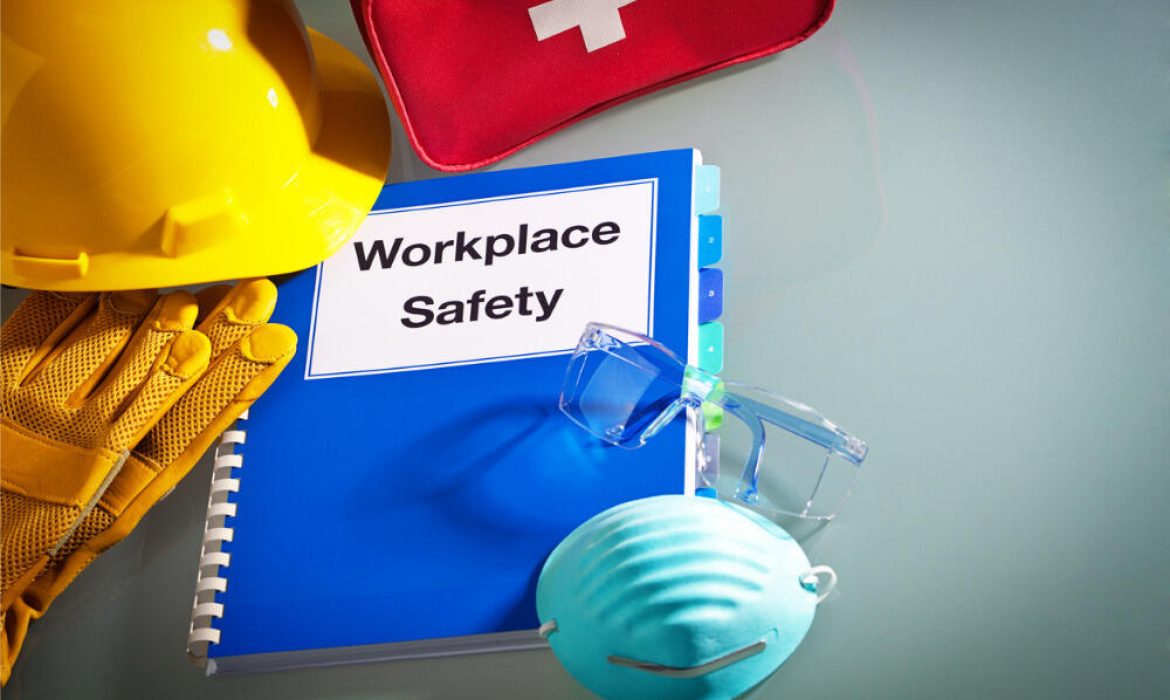
Need a Part Time WSHO (Workplace Safety & Health Officer) for your site or facility in Singapore? Our MOM-registered professionals help you meet WSH Act obligations, maintain compliance, and reduce incidents—without the cost of a full-time hire.
What is a Part Time WSHO in Singapore?
A Part Time WSHO (Workplace Safety and Health Officer) is a certified professional who ensures safety standards in the workplace, but instead of working full-time, they provide their services on a part-time basis.
This service is perfect for companies that don’t need or can’t afford a full-time officer. With part-time arrangements, businesses still meet legal safety requirements without paying for a full salary package.
Why hire a Part Time WSHO in Singapore?
- Compliance without headcount: Meet statutory duties while controlling payroll. (Link out to MOM legislation hub.)
- Flexibility for SMEs & projects: Scale up during intensive phases (mobilisation, turnaround, audits), scale down later.
- Expertise on demand: Access seasoned officers with construction, manufacturing, logistics, or lab backgrounds.
- Independent perspective: Third-party audits reduce blind spots and improve incident learning.
Legal Requirements for WSHO in Singapore
Singapore’s Ministry of Manpower (MOM) sets strict safety laws. For certain industries like construction, shipbuilding, and manufacturing, appointing a WSHO is mandatory.
According to the Workplace Safety and Health Act, companies must:
- Appoint a WSHO if they meet MOM’s threshold (e.g., size of project, type of work).
- Ensure compliance with safety regulations.
- Conduct regular risk assessments and audits.
Failing to comply can result in fines, suspension, or even legal action.
Roles and Responsibilities of a WSHO
A Part Time WSHO may not be in the office daily, but their responsibilities remain crucial:
- Conducting risk assessments and identifying workplace hazards.
- Preparing safety management plans.
- Conducting safety training for staff.
- Ensuring compliance with MOM regulations.
- Investigating accidents and incidents.
- Preparing safety reports and audits.
They act as the safety backbone of a company, ensuring every process runs smoothly and safely.
Which is the Best Part Time WSHO Service in Singapore?
If you’re wondering which company provides reliable Part Time WSHO Service in Singapore, one trusted name is ProSkill Workforce. They specialize in offering professional WSHO services tailored for businesses that need safety expertise without the cost of a full-time officer.
ProSkill Workforce is known for:
- Experienced MOM-certified WSHOs.
- Flexible part-time arrangements suitable for SMEs and large projects.
- Comprehensive support, from risk assessments to safety audits.
- Affordable pricing compared to full-time hires.
If you’d like to learn more or get a consultation, you can easily reach out via their Contact Page.
Benefits of Hiring a Part Time WSHO
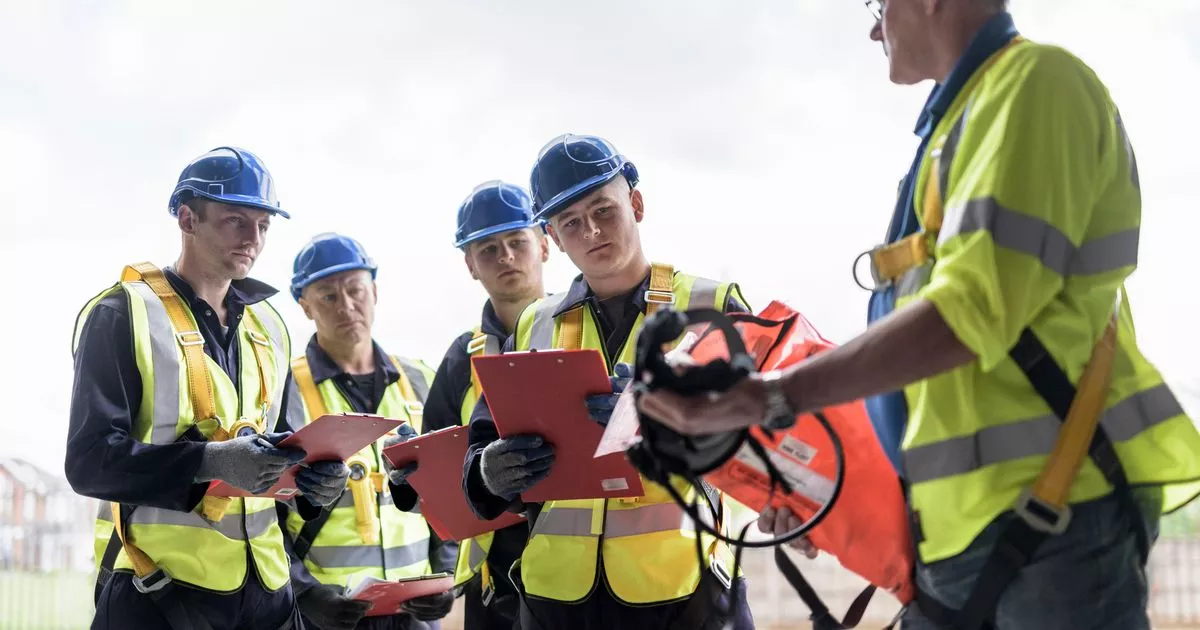
Hiring a Part Time WSHO has several advantages:
- Cost Savings – Pay only for the hours you need.
- Expertise – Access highly trained professionals.
- Flexibility – Adjust hours based on project size.
- Compliance – Meet MOM requirements without full-time hires.
- Peace of Mind – Know your workplace is always under professional safety supervision.
Full-Time vs Part Time WSHO: What’s the Difference?
|
Aspect |
Full-Time WSHO |
Part Time WSHO |
| Cost | High salary + benefits | Affordable, pay-per-hour/project |
| Availability | Always present | On scheduled basis |
| Best For | Large companies | SMEs & short-term projects |
| Flexibility | Low | High |
For SMEs, the part-time option is like renting a car—you get full use without paying for ownership.
Which Industries Require WSHO Services the Most?
Some industries are more prone to accidents and require Part Time WSHO services:
- Construction – High risk of accidents.
- Shipbuilding & Marine – Hazardous working conditions.
- Manufacturing – Machinery and chemical risks.
- Oil & Gas – Explosive and fire risks.
- Logistics & Warehousing – Heavy lifting and transport safety.
Qualities to Look for in a Good WSHO
When choosing a Part Time WSHO, consider:
- Certification from MOM
- Experience in your industry
- Strong communication skills
- Problem-solving ability
- Good track record
Remember: a WSHO is not just a safety officer—they are your company’s shield against accidents.
How to Hire a Reliable Part Time WSHO
Follow these steps:
- Check MOM Certification – Only certified officers can practice.
- Look for Industry Experience – Each sector has unique risks.
- Ask for References – Previous clients can vouch for reliability.
- Discuss Scope of Work – Clarify responsibilities.
- Sign a Service Contract – Ensure professionalism and accountability.
Challenges of Managing Workplace Safety Without a WSHO
Without a WSHO, companies face:
- Increased accident risks
- Higher insurance costs
- Legal non-compliance
- Poor employee morale
It’s like playing football without a goalkeeper—you may survive for a while, but eventually, you’ll lose.
Common Workplace Risks a WSHO Helps Prevent
Some common risks include:
- Slips, trips, and falls
- Machinery accidents
- Fire hazards
- Chemical exposure
- Electrical risks
By hiring a Part Time WSHO, businesses can reduce these dangers significantly.
Future of Workplace Safety in Singapore
With increasing focus on health and safety laws, demand for Part Time WSHO services will rise. MOM continues to tighten workplace regulations, and companies—especially SMEs—will rely on part-time professionals to stay compliant.
Digital tools like AI-driven safety monitoring and IoT-enabled hazard detection will further enhance the role of WSHOs in the coming years.
Conclusion
Workplace safety is not a luxury—it’s a necessity. For Singapore businesses, hiring a Part Time WSHO offers the perfect balance between safety, compliance, and affordability.
Whether you’re a construction firm, manufacturing plant, or logistics company, a Part Time WSHO service ensures that your employees work in a safe environment while your business avoids legal trouble.
FAQs about Part Time WSHO Service in Singapore
What is the main difference between a full-time and part-time WSHO?
A full-time WSHO works daily in your company, while a part-time WSHO provides safety services only for specific hours or projects.
Is hiring a Part Time WSHO legal in Singapore?
Yes, as long as the WSHO is MOM-certified and meets the company’s legal obligations under the Workplace Safety and Health Act.
How many hours does a Part Time WSHO usually work?
It depends on the company’s needs, but usually between 8–40 hours per month.
Can a Part Time WSHO handle accident investigations?
Yes, they are trained to investigate workplace accidents, prepare reports, and recommend preventive measures.
Is Part Time WSHO suitable for small businesses?
Absolutely! It’s cost-effective and ensures compliance without the burden of hiring a full-time officer.
Check My Other Popular Service

Warehouse Assistant Service Provider in Singapore – ProSkill Workforce
Ever wondered what keeps Singapore’s busy logistics sector ticking like a well-oiled machine? Behind every smoothly running warehouse is a silent workforce that ensures your goods move efficiently from point A to point B. And at the heart of this system? The Warehouse Assistant.
Whether you run a growing eCommerce business or manage a large supply chain, having reliable warehouse support can make or break your operations. In this article, we’ll take you through the top Warehouse Assistant service providers in Singapore and help you understand why this humble role is so vital. Let’s get started!
What is a warehouse assistant?
A warehouse assistant is someone who helps manage goods in a warehouse. Their job includes receiving deliveries, organizing stock, picking and packing orders, and keeping the warehouse clean and safe. They play an important role in making sure products are stored properly and shipped on time.
Why Are Warehouse Assistants Crucial in Singapore?
Singapore is a global logistics hub. With its strategic location and world-class port facilities, efficiency is everything. A delay in shipment or disorganized inventory can cost businesses thousands.
Warehouse Assistants ensure that:
- Goods are stored correctly
- Deliveries are packed and shipped on time
- Inventory is accurately tracked
In a country where space and time are premium, their role becomes even more essential.
The Role of a Warehouse Assistant
Key Responsibilities
- Receiving and storing goods
- Packing and labeling products
- Stock monitoring
- Preparing goods for shipment
- Inventory system updates
Skills and Qualifications Required
- Basic computer literacy
- Physical fitness and stamina
- Attention to detail
- Knowledge of warehouse safety protocols
- Teamwork and communication skills
Key Responsibilities of a Warehouse Assistant

1. Inventory Management
Warehouse assistants track and manage stock levels, ensuring that inventory is accurate, properly labeled, and easy to locate. This task reduces stockouts and overstocking, which can harm your profit margins.
2. Shipping and Receiving
They manage incoming and outgoing shipments, ensuring goods are properly checked, packed, and documented. Accuracy here is vital for customer satisfaction and inventory balance.
3. Picking and Packing
Assistants fulfill orders by picking the right products and packing them safely. Speed and accuracy in this stage ensure timely delivery and reduce return rates.
4. Equipment Handling
They operate forklifts, pallet jacks, and barcode scanners to maintain workflow efficiency and safety.
Importance of Warehouse Assistants in Business Operations
Enhancing Workflow Efficiency
With warehouse assistants streamlining inventory and logistics tasks, business operations run faster and smoother. You avoid bottlenecks and late shipments, which keeps your customers happy.
Reducing Errors and Delays
A skilled warehouse assistant helps minimize picking and packing errors, leading to fewer product returns and refunds — saving you both time and money.
Which the Best Warehouse Assistant Service Provider in Singapore
At ProSkill Workforce, we specialize in providing highly trained and reliable warehouse assistant services in Singapore to meet the growing demands of logistics, e-commerce, and supply chain operations. Whether you’re a small business or a large corporation, our dedicated warehouse assistants are ready to streamline your operations with precision, speed, and professionalism.
We offer flexible, scalable staffing solutions tailored to your business needs — from inventory management and order picking to packing, sorting, and general warehouse support. Our team is well-versed in the latest warehouse management systems and trained to work efficiently in fast-paced environments.
With a commitment to quality, safety, and productivity, ProSkill Workforce is trusted by leading brands across Singapore. Let us help you optimize your warehouse operations and reduce overhead with cost-effective manpower solutions.
So,Contact at ProSkill Workforce — the smart choice for professional, dependable, and skilled warehouse assistants in Singapore.
How to Choose the Right Warehouse Assistant Provider
When selecting a provider:
- Check Experience: Look for industry-specific experience
- Read Reviews: Client testimonials speak volumes
- Assess Training Programs: Well-trained staff reduce errors
- Evaluate Flexibility: Can they scale up/down as needed?
- Compliance Knowledge: Ensure safety regulations are followed
How Warehouse Assistant Services Boost ROI
Time-Saving Benefits
Fewer delays mean faster deliveries and more repeat customers.
Increased Productivity
Your team can focus on core business activities while the warehouse assistants handle the rest.
Lower Operational Costs
No need to hire full-time staff or invest in large storage spaces.
Small Businesses vs. Large Enterprises: Who Benefits More?

Tailored Solutions for SMEs
Pay-as-you-go plans, shared warehouse spaces, and low overheads make it perfect for startups.
Scalable Operations for Enterprises
Larger businesses benefit from integrated logistics, dedicated staff, and advanced inventory systems.
Customer Stories and Success Cases
Local E-commerce Business Transformation
A Singaporean beauty brand outsourced to FastMove and reduced delivery time by 40% — leading to a 25% increase in customer retention.
Manufacturing Company Efficiency Boost
A mid-sized electronics company partnered with Ryder Asia and saved over $100,000 annually through process automation and inventory optimization.
Future of Warehouse Assistant Services in Singapore
AI & Robotics Integration
Expect smarter robots and automated picking systems to take over repetitive tasks.
Eco-Friendly Operations
Green warehousing is on the rise, with solar-powered warehouses and eco-packaging becoming the norm.
Conclusion
In a fast-paced economy like Singapore, the humble Warehouse Assistant plays a mighty role. Whether you’re a startup, SME, or enterprise — the right warehouse support can mean the difference between chaos and control.
So, if your logistics feel like a juggling act, maybe it’s time to hand over a few balls to the pros. Choose the right service, and let them help you deliver success — one box at a time.
FAQs For Warehouse Assistant Service
1. What does a Warehouse Assistant do?
A Warehouse Assistant helps with receiving, organizing, packing, and shipping goods in a warehouse environment.
2. Why should I outsource Warehouse Assistant services in Singapore?
Outsourcing gives you access to trained staff, reduces hiring hassles, and helps scale operations easily.
3. How much does it cost to hire a Warehouse Assistant in Singapore?
Rates typically range from SGD 10 to 18/hour depending on experience and job complexity.
4. What qualifications should I look for in a Warehouse Assistant?
Basic literacy, physical fitness, attention to detail, and familiarity with inventory systems are important.
5. Are warehouse jobs in Singapore safe?
Yes, as long as providers follow MOM regulations and proper safety training, warehouse environments are generally safe.
Check My Other Popular Service:
M&E Technician Services in Singapore | ProSkill Workforce
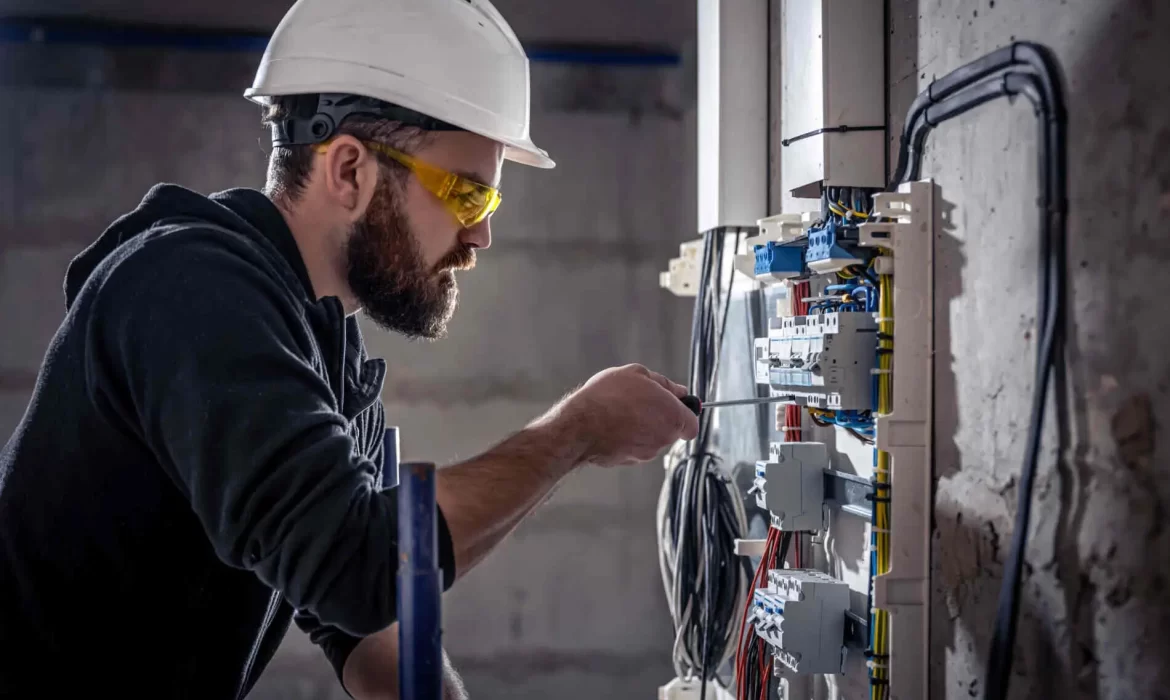
Have you ever wondered who ensures your building’s lights work, your air stays cool, and the water flows just right? It’s not magic — it’s the work of M&E technicians. In Singapore, where high-rise buildings, malls, offices, and residential complexes run around the clock, M&E Technician Services are the unsung heroes that keep everything functioning smoothly.
Let’s take a closer look at what they do, why their role is essential, and how these services impact your daily life — even if you never notice them at work.
What is an M&E Technician?
An M&E Technician, short for Mechanical and Electrical Technician, is a professional trained to install, maintain, and repair systems that involve mechanical parts (like air conditioning) and electrical circuits (like lighting and power).
Imagine your office as a human body. The M&E Technician is the one making sure the heart (mechanical systems) and the brain (electrical systems) are working in sync.
What Does an M&E Technician Do?
An M&E Technician specializes in the installation, inspection, maintenance, and repair of mechanical and electrical systems such as:
- HVAC (Heating, Ventilation, and Air Conditioning)
- Lighting and power distribution
- Fire alarm and suppression systems
- Plumbing and sanitary works
- Elevator and escalator systems
- Electrical panels and wiring
They are trained to handle both planned preventive maintenance (PPM) and emergency breakdown services.
Why Are M&E Technician Services Important in Singapore?
In a country like Singapore — a modern urban hub — buildings are complex. They require well-maintained systems to stay safe, efficient, and environmentally friendly.
- Tropical climate needs efficient cooling systems
- High population density requires reliable lift and electrical systems
- Strict safety regulations demand expert handling of wiring, lighting, and ventilation
Without M&E technicians, even a minor fault could cause massive disruptions.
Key Responsibilities of an M&E Technician
M&E technicians wear many hats. Their responsibilities include:
- Installing and repairing electrical systems
- Maintaining mechanical devices like pumps, motors, HVAC
- Performing inspections and routine checks
- Responding to emergency breakdowns
- Documenting and reporting system issues
Their day can switch from fixing a broken light to troubleshooting an air-conditioning failure within minutes.
Best M&E Technician Services Provider in Singapore – ProSkill Workforce
When it comes to reliable, efficient, and fully compliant M&E technician services in Singapore, one name stands out from the rest — ProSkill Workforce Pte Ltd. As a trusted manpower and facility services company, ProSkill Workforce has built a solid reputation for delivering top-tier mechanical and electrical solutions tailored to the needs of commercial, industrial, and residential clients across the island.
Why Choose ProSkill Workforce for M&E Technician Services?
At ProSkill Workforce, professionalism and precision come together to offer unmatched M&E services. Whether it’s preventive maintenance, system installation, or emergency repair, the team is equipped to handle all aspects of mechanical and electrical maintenance.
Here’s why ProSkill Workforce is considered the best M&E technician services provider in Singapore:
✅ Skilled & Certified Technicians
All M&E technicians are fully certified and trained to meet Singapore’s BCA, EMA, and WSH compliance standards. From HVAC systems to electrical distribution and fire safety installations, the team ensures safe, code-compliant work every time.
✅ Comprehensive Service Coverage
ProSkill Workforce offers full-spectrum M&E services, including:
- Electrical maintenance & troubleshooting
- Air-conditioning servicing (AHU, FCU, VRV/VRF systems)
- Pump, fan, and motor repairs
- Lighting & power system upgrades
- Fire alarm & sprinkler system testing
- Plumbing and sanitary maintenance
👉 Explore our full-service capabilities here:
Visit Our Services Page
✅ Fast Response & Emergency Support
Unexpected breakdown? Their team offers 24/7 emergency M&E technician support so your operations never face extended downtime. With rapid deployment across Singapore, ProSkill responds quickly to ensure minimal disruption.
✅ Custom Maintenance Packages
ProSkill offers tailored maintenance contracts for offices, shopping malls, industrial buildings, and condominiums. These are designed to maximize operational efficiency, reduce risk, and keep your systems running at peak performance.
Who They Serve
ProSkill Workforce supports a wide range of sectors, including:
- Commercial buildings (retail stores, offices, malls)
- Industrial facilities (factories, logistics hubs)
- Residential developments (condominiums, landed properties)
- Public sector buildings (schools, government premises)
With a client-first approach, ProSkill ensures all services are delivered on schedule and within budget — without compromising on quality.
Contact Us
Looking for dependable and professional M&E technician services in Singapore?
+65-8833 8400 or +65-90900468 Call in today and see why businesses across Singapore trust us to keep their systems running smoothly.
Benefits of Hiring Professional M&E Technicians
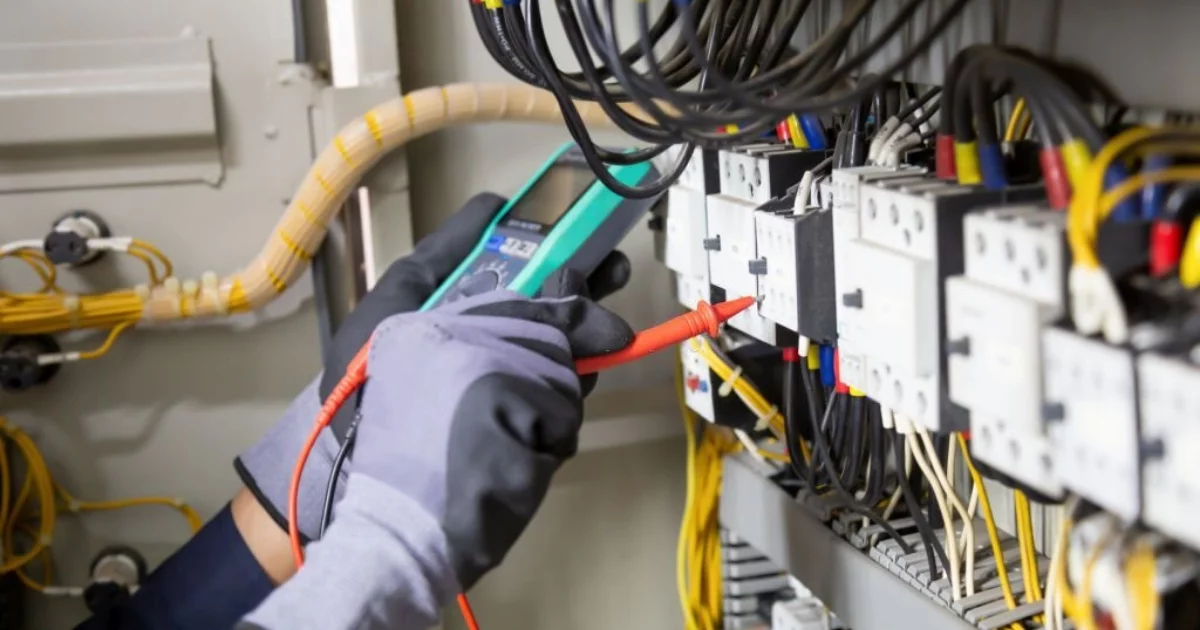
Hiring a pro means:
- Quick diagnosis and repair
- Long-term cost savings
- Peace of mind with certified workmanship
- Compliance with local laws
- Prevention of future breakdowns
It’s always better to fix the roof while the sun is shining, right?
Key Skills Every M&E Technician Must Have
Technical knowledge is just the tip of the iceberg. Here’s what else they need:
- Problem-solving mindset – Find faults fast
- Attention to detail – Even small errors can lead to major issues
- Communication skills – To coordinate with teams and clients
- Physical fitness – The job involves lifting, bending, and climbing
Common Areas Where M&E Services Are Needed
You’ll find M&E Technician Services in all types of buildings, such as:
- Residential Condos
- Commercial Offices
- Shopping Malls
- Hospitals and Clinics
- Industrial Facilities
- Hotels and Hospitality Venues
Each of these places has unique systems requiring professional care.
Types of M&E Services Offered in Singapore
Here’s a breakdown of common M&E services you can find locally:
- Electrical Wiring & Troubleshooting
Air-Conditioning Maintenance - Lift & Escalator System Checks
- Plumbing & Sanitary Works
- Fire Protection System Maintenance
- Generator & Backup System Checks
- Building Automation and Control Systems
A good M&E technician or company offers preventive, corrective, and emergency services.
Challenges Faced by M&E Technicians in Singapore
It’s not all smooth sailing. Technicians often face:
- Tight schedules and deadlines
- Working in hazardous environments
- Staying updated with fast-changing technologies
- High demand for skilled manpower
Despite these, dedicated M&E technicians stay committed to quality service.
Future of M&E Technician Services
With smart buildings and green technology on the rise, the M&E field is evolving:
- IoT-based maintenance systems
- Energy-saving devices
- Automation and AI integration
- Green building certifications
In short, M&E technicians are becoming smarter and more essential to the cities of tomorrow.
Costs Involved and Factors That Affect Pricing
M&E service charges vary depending on:
- Type of service (repair vs. installation)
- Time (weekend or emergency work is more expensive)
- Size and complexity of the building
- Experience and reputation of the technician or company
Expect to pay more for specialized or urgent services, but the quality is worth every cent.
Conclusion
M&E Technician Services in Singapore are not just background players — they’re vital to our daily comfort and safety. Whether you live in a condo, run a business, or manage a facility, investing in reliable M&E services keeps your environment functioning like a well-oiled machine.
FAQs For M&E Technician Services in Singapore
1. What is included in M&E Technician Services?
They include the installation, maintenance, and repair of mechanical and electrical systems like HVAC, lighting, plumbing, and safety systems.
2. Are M&E technicians licensed in Singapore?
Yes, especially for high-voltage and critical systems. Many must be registered with BCA or be Licensed Electrical Workers (LEW).
3. How often should I service my building’s M&E systems?
Preventive maintenance is usually done quarterly, but some systems like elevators or fire alarms may require monthly checks.
4. Can I hire an M&E technician for home repairs?
Yes, especially for issues like air-conditioning, water heaters, or electrical panels. Just ensure they are qualified for residential systems.
5. What’s the difference between an electrician and an M&E technician?
An electrician specializes in electrical systems only, while an M&E technician handles both mechanical and electrical systems, offering broader expertise.
Check My Other Popular Service

Affordable HSE/Safety Manager Services for All Businesses
Think safety is expensive? Try an accident.
Whether you’re running a local bakery or a massive construction firm, workplace safety isn’t a luxury—it’s a necessity. That’s where an HSE/Safety Manager comes in. But don’t worry, you don’t need to break the bank to keep your team safe. With affordable HSE/Safety Manager services, even small businesses can meet safety standards like the big players.
Let’s dive in and see how these services can transform your workplace without draining your wallet.
What is an HSE/Safety Manager?
An HSE (Health, Safety, and Environment) Manager is the person behind the scenes making sure your workplace stays safe and sound. Think of them as the safety coach of your company—training your team, spotting hazards, and keeping you out of trouble with the law.
Why Every Business Needs One
Would you drive a car without brakes? That’s what running a business without safety measures is like. Whether you’re managing a warehouse or a beauty salon, accidents can happen. An HSE/Safety Manager reduces risks, keeps insurance costs low, and helps protect what matters most—your people.
Safety Doesn’t Have to Be Expensive
There’s a myth that only large corporations can afford proper safety systems. Not true. Today, many affordable HSE/Safety Manager services are tailored for small to mid-sized businesses. Think of it like hiring a personal trainer instead of opening your own gym. You get expert help without the huge cost.
Looking for an HSE/Safety Manager? Here’s What I Offer

When it comes to workplace safety and regulatory compliance, hiring the right HSE/Safety Manager is crucial. At ProSkill Workforce Pte Ltd, we take pride in providing experienced and certified HSE professionals who help organizations maintain the highest standards in health, safety, and environmental management.
Why Choose ProSkill Workforce Pte Ltd?
At ProSkill, we don’t just fill roles — we build safety cultures. Our HSE/Safety Managers are carefully selected to match your industry needs, whether you’re operating in construction, oil & gas, manufacturing, marine, logistics, or any other high-risk sector.
🔗 Explore our HSE/Safety Manpower Services for more details.
What Our HSE/Safety Managers Offer
- Risk Assessment & Hazard Identification
Our experts conduct thorough risk assessments to identify potential hazards and implement effective mitigation strategies.
- Safety Planning & Implementation
From emergency response plans to daily toolbox talks, we ensure a proactive approach to safety.
- Compliance with Local & International Regulations
We stay up to date with MOM, ISO, NEBOSH, and other regulatory standards to keep your operations compliant.
- Incident Investigation & Reporting
In the event of an incident, our managers are trained to conduct root cause analysis and implement corrective actions swiftly.
- Training & Safety Awareness Programs
We enhance workforce safety knowledge through structured training sessions and on-site supervision.
Industries We Serve
We proudly support a wide range of industries with dedicated HSE professionals:
- Construction & Civil Engineering
- Oil & Gas / Petrochemical
- Marine & Offshore
- Logistics & Warehousing
- Manufacturing & Production
🔗 View all Workforce Solutions by ProSkill
Let’s Build a Safer Workplace Together
At ProSkill Workforce Pte Ltd, our goal is to deliver competent, proactive, and reliable HSE/Safety Managers who contribute to your success by ensuring workplace safety and regulatory excellence.
Need help finding the right fit for your project or site?
📞 Contact us today or request a quote via our Contact Page.
Top Benefits of Outsourcing an Experienced HSE/Safety Manager
In today’s fast-paced industrial environment, ensuring health, safety, and environmental (HSE) compliance is more crucial than ever. Many organizations—especially small to mid-sized companies—are choosing to outsource their HSE/Safety Manager roles. This strategic move not only ensures compliance but also brings specialized knowledge and cost-efficiency. Let’s explore the top benefits of outsourcing an experienced HSE/Safety Manager.
1. Expertise and Specialized Knowledge
An outsourced HSE/Safety Manager brings in-depth knowledge of industry regulations, best practices, and legal compliance. They stay updated on changes in laws and ensure your workplace meets all local and international safety standards.
2. Cost Savings
Hiring a full-time, in-house HSE Manager can be expensive when you consider salaries, benefits, and training. Outsourcing provides access to experienced professionals without the overhead costs, making it a cost-effective solution.
3. Improved Compliance and Reduced Legal Risk
Experienced HSE professionals understand the complexities of occupational health and safety regulations. Their expertise helps you avoid fines, legal complications, and reputational damage by ensuring compliance with all relevant laws and regulations.
4. Objective and Unbiased Safety Audits
External safety managers offer a fresh, unbiased perspective. Their independent audits and assessments often reveal risks or gaps that internal staff may overlook, enhancing workplace safety standards.
5. Focus on Core Business Activities
Outsourcing allows your internal team to concentrate on core operations while experts handle health and safety responsibilities. This boosts overall productivity and ensures safety isn’t compromised.
6. Access to the Latest Tools and Techniques
Outsourced HSE professionals often bring modern tools, training materials, and methodologies. They can implement the latest safety management systems, conduct digital audits, and provide advanced training for your team.
7. Flexible and Scalable Services
Whether you need safety support for a short-term project or long-term operations, outsourcing offers flexible engagement options. You can scale services based on your project size or organizational needs.
8. Enhanced Safety Culture
An experienced HSE Manager can help instill a proactive safety culture across your organization. Their consistent training, communication, and leadership can significantly reduce workplace accidents and incidents.
How Small Businesses Can Afford Safety
Still think you can’t afford it? Here’s how many small businesses manage:
- Shared service providers: Pay only for the hours you need.
- Remote consulting: Online safety training and audits save travel costs.
- Government grants and rebates: Many regions offer support for safety improvements.
Customized Safety Plans for All Industries

No two businesses are the same. A bakery needs fire prevention, while a factory may need chemical handling protocols. A good HSE/Safety Manager customizes the plan based on your industry, team size, and operations.
Top Risks HSE Managers Help You Avoid
Think of them as your safety radar. They help you dodge:
- Slip and fall accidents
- Fires and electrical hazards
- Chemical exposures
- Repetitive stress injuries
- Non-compliance fines
Every one of these can be costly—or even deadly—if ignored.
Legal Compliance and Peace of Mind
Regulations aren’t optional. From OSHA to local laws, businesses must comply. An HSE/Safety Manager ensures:
- Proper documentation
- Compliance with industry standards
- Regular safety audits
That way, if an inspector comes knocking, you’re ready.
Cost Comparison: In-House vs. Outsourced
| Criteria | In-House Manager | Outsourced Services |
| Cost | High (salary + benefits) | Lower (pay-as-you-go) |
| Flexibility | Fixed hours | On-demand |
| Expertise | May vary | Specialized skills |
| Scalability | Limited | Easy to scale up/down |
For many small and mid-sized businesses, outsourcing wins hands down.
Signs Your Business Needs HSE Help Now
Are you:
- Unsure about local safety laws?
- Seeing frequent near-misses?
- Missing proper safety gear or signage?
- Not offering regular safety training?
If yes, it’s time to bring in a pro before a real problem arises.
Questions to Ask Before Hiring
Choosing the right HSE/Safety Manager is crucial. Ask:
- Do they have experience in your industry?
- Can they offer case studies or references?
- Are their services scalable?
- Do they provide remote and on-site options?
- What’s included in their service packages?
Real-Life Success Stories
Case 1: Local Café Avoids Fire Hazard
A small café hired an HSE consultant who spotted faulty wiring. Quick repairs avoided a potential fire and reduced their insurance premium.
Case 2: Construction Firm Saves Thousands
A medium-sized construction company saw a 60% drop in injuries after implementing a custom safety program. Worker morale also shot up.
These stories show that safety pays off.
Choosing the Right Provider
Look for:
- Clear pricing
- Experience with businesses of your size
- Positive client feedback
- Certifications and compliance knowledge
Remember, the cheapest option isn’t always the best—but the right one will save you money long-term.
Wrapping Up: Safety is Smart Business
You don’t have to choose between saving money and keeping people safe. With affordable HSE/Safety Manager services, you get the best of both worlds. Whether you’re just starting out or managing a large team, safety should always come first.
When your employees feel safe, they work better. When accidents are avoided, your business thrives. So why wait?
Conclusion
Affordable HSE/Safety Manager services aren’t just for big companies with big budgets. They’re for anyone who values the safety of their workers, the continuity of their business, and the peace of mind that comes with knowing everything’s under control. Whether you’re a small business trying to stay compliant or a large enterprise managing multiple sites, outsourcing your HSE services can be the smartest investment you make this year.
Frequently Asked Questions (FAQs)
1. What does an HSE/Safety Manager do for small businesses?
They assess risks, train employees, ensure compliance with regulations, and help create a safer workplace—all within your budget.
2. Is hiring an HSE/Safety Manager expensive?
Not necessarily. Many offer flexible packages or remote support, making their services accessible even to small businesses.
3. Can a part-time or outsourced HSE Manager be effective?
Absolutely. As long as they’re experienced and available when needed, they can cover your essential safety needs.
4. How often should I review my safety practices?
At least annually, or whenever your business changes—like adding new equipment or expanding your team.
5. What are the most common workplace safety issues?
Slips and falls, poor ergonomics, lack of training, and electrical hazards top the list—but all are preventable with the right guidance.
Check My Other Popular Service

It Engineer Service | ProSkill Workforce Pte Ltd
Hi, Are you looking for the Best it engineer service company in Singapore through which you can get your services then you can go with this post.
Ever had your computer crash in the middle of an important task? Or maybe your company’s network suddenly stopped working for no reason? In today’s fast-moving digital world, tech hiccups can cost more than just time—they can cost money, trust, and opportunity.
That’s why choosing the right IT engineer service company is more important than ever. Especially in a bustling tech hub like Singapore, where businesses run on cutting-edge technology.
So, how do you find the best IT engineer service company that understands your needs, fixes issues fast, and keeps your systems running smoothly? Let’s dive into it.
What is an IT Engineer?
An IT engineer is like a digital doctor. Just as doctors diagnose and treat health problems, IT engineers diagnose and solve tech issues. From setting up networks to fixing broken systems, they ensure everything tech-related works like a well-oiled machine.
They can specialize in different areas like network security, system administration, or software development. But their goal is the same: keeping your business connected, safe, and productive.
Which is the best IT Engineer company in Singapore?
When it comes to finding the best IT engineer company in Singapore, several well-known names come to mind. However, one company that is making a strong mark in the industry is ProSkill Workforce Pte Ltd.
ProSkill Workforce is recognized for delivering top-quality IT engineering and outsourcing solutions tailored to businesses across various sectors. What sets them apart is their commitment to providing highly skilled IT professionals, including software developers, network administrators, and support engineers, who help businesses scale efficiently and securely.
Beyond IT staffing, they also offer Workplace Safety & Health (WSH) consultancy, engineering workforce solutions, and operational support, making them a one-stop solution for companies looking for both technical and operational excellence.
Whether you’re a startup needing IT support or a large enterprise seeking to outsource tech talent, ProSkill Workforce has the experience, manpower, and dedication to meet your needs.
🔗 Learn more about their services here: https://proskillworkforce.com
The Importance of IT Engineer Service

In today’s digital world, IT engineer services play a critical role in the success and growth of any modern business. From ensuring smooth network operations to developing secure, scalable software solutions, IT engineers are the backbone of technological progress.
1. Business Continuity and System Uptime
IT engineers maintain and monitor systems to prevent downtime. They ensure that servers, networks, and databases are always functioning—minimizing disruptions and keeping your business operations running smoothly.
2. Cybersecurity and Data Protection
With the rise of cyber threats, IT engineers implement firewalls, encryption, and security protocols that protect sensitive business and customer data. They help companies stay compliant with data protection regulations.
3. Scalability and Growth
As businesses grow, their technology needs expand. IT engineers design scalable infrastructure and software solutions that allow organizations to grow without tech bottlenecks or failures.
4. Innovation and Competitive Edge
IT professionals drive innovation by implementing new technologies such as cloud computing, artificial intelligence, and automation tools. This keeps businesses competitive in fast-evolving industries.
5. Cost Efficiency
With proper IT systems in place, companies reduce waste, improve productivity, and avoid costly downtime or system failures—leading to long-term savings.
What Makes a Great IT Engineer Service?
Great IT service companies go beyond fixing problems—they prevent them.
Here’s what sets the best apart:
- Proactive monitoring (they catch issues before you notice them)
- 24/7 support (because tech never sleeps)
- Customized solutions (not one-size-fits-all)
- Scalability (services grow as your business grows)
- Transparency (clear pricing and processes)
Key Services Offered by IT Engineer Firms
A top IT engineer company in Singapore will offer a wide range of services, such as:
- Network setup and maintenance
- Cybersecurity solutions
- Cloud services
- IT consulting and audits
- Hardware and software support
- Data backup and recovery
- VoIP and communication systems
Key Benefits of Using an IT Engineer Service
Whether you’re a startup or a large enterprise, these services are tailored to fit your needs.
Still wondering if hiring an IT engineer company is worth it? Here’s what you gain:
- Reduced downtime
- Improved efficiency
- Stronger data protection
- Expert advice and upgrades
- Less stress for your team
Think of it as having a fire extinguisher in every room—when a tech fire breaks out, you’re covered.
Cost vs. Value: What You Need to Know
Sure, you can find cheap IT services—but are they worth the risk?
Cheap fixes often result in:
- Recurring issues
- Hidden charges
- Poor security setups
On the other hand, professional services:
- Offer long-term solutions
- Save money in the long run
- Provide peace of mind
It’s like buying insurance—you may not need it today, but when trouble hits, you’ll be glad you have it.
IT Support for Small vs Large Businesses
Small businesses need quick, budget-friendly solutions. Large businesses need robust systems, disaster recovery, and custom integrations.
Top companies in Singapore cater to both, offering:
- Flexible pricing
- Scalable infrastructure
- Dedicated account managers
That means you’re never too small—or too big—to get excellent IT support.
Customer Support: Why It’s a Big Deal
Imagine calling your IT provider and getting no answer—frustrating, right?
That’s why great customer support is non-negotiable. The best companies offer:
- 24/7 helplines
- Live chat
- Quick response times
- Regular updates and follow-ups
Customer service can make or break your experience. Choose a company that treats you like a partner, not a ticket number.
Where does an IT engineer work?

An IT engineer can work in a wide variety of environments depending on their specialization. Common workplaces include:
- Tech Companies – Developing software, maintaining networks, or managing cloud infrastructure.
- Corporate Offices – Supporting internal systems, handling cybersecurity, and managing databases.
- Government Agencies – Working on secure systems, public data networks, or digital infrastructure.
- Telecommunications Firms – Managing network architecture, mobile systems, or signal processing.
- Banks and Financial Institutions – Ensuring IT security, data management, and transaction systems.
- Educational Institutions – Supporting campus networks, e-learning platforms, or research computing.
- Healthcare Facilities – Handling electronic health records, secure networks, and medical software.
- Remote or Freelance – Providing support, development, or consulting services from anywhere.
Future Trends in IT Engineering
Tech is evolving fast. The best IT engineer companies stay ahead of the curve.
Here’s what’s coming:
- AI-driven troubleshooting
- Self-healing networks
- Cloud-native infrastructure
- Zero-trust cybersecurity
- Remote-first IT setups
By choosing a forward-thinking IT firm, you’re future-proofing your business.
Security: The Backbone of IT Services
In 2023 alone, cybercrime caused global losses of over $8 trillion. Scary, right?
That’s why cybersecurity isn’t just a service—it’s a necessity.
Top IT engineer service companies in Singapore offer:
- Firewall setup
- Encrypted networks
- Two-factor authentication
- Regular vulnerability tests
They help you sleep better at night knowing your data is locked down tight.
Final Thoughts & Recommendation
Finding the best IT engineer service company in Singapore is like choosing the right mechanic for your car. You want someone skilled, reliable, and available when things go wrong.
Whether you’re running a startup from a co-working space or managing a corporate giant, investing in the right IT support pays off in speed, security, and peace of mind.
Our top pick? Proskill Workforce. They check all the boxes for quality, support, and affordability.
FAQs for IT Engineer Service
1. Do IT Engineers Need a Degree?
No, a degree is not always required to become an IT engineer. While a degree in Information Technology or a related field can be beneficial, many IT engineers succeed with hands-on experience, relevant certifications, or self-taught skills. Practical experience and certifications often hold significant value in the industry.
2. What exactly does an IT engineer do?
An IT engineer handles the setup, maintenance, and troubleshooting of computer systems, networks, and software for businesses.
3. How much do IT services cost in Singapore?
Prices vary based on service scope. Basic packages for small businesses start at around SGD $100/month, while enterprise solutions can run higher.
4. Can I get 24/7 IT support in Singapore?
Yes! Many top IT companies like Adventus or Connectbit offer round-the-clock support.
5. Is it better to outsource IT services or hire in-house?
Outsourcing is often more cost-effective and gives access to a wider range of expertise without long-term employment costs.
6. How do I know if an IT company is trustworthy?
Look for client reviews, certifications, and case studies. A transparent company with a good track record is usually a safe bet.
Check My Other Popular Service

Best Fire Safety Managers (FSM) Service in Singapore
Fire safety is a critical aspect of business and residential property management in Singapore. With high-rise buildings, commercial spaces, and industrial hubs, the risk of fire incidents is ever-present. This is where Fire Safety Managers (FSM) play a crucial role. With strict regulations in place, hiring a Fire Safety Manager (FSM) is essential to ensure compliance and protection against fire hazards.
If you’re searching for the best Fire Safety Managers service in Singapore for 2025, this guide will help you understand their importance, responsibilities, and how to choose the right service for your needs.
What is a Fire Safety Manager (FSM)?
A Fire Safety Manager (FSM) is a certified professional responsible for implementing and maintaining fire safety protocols in buildings. Their key roles include:
- Conducting fire risk assessments
- Organizing fire drills and training sessions
- Ensuring compliance with Singapore Civil Defence Force (SCDF) regulations
Why Do You Need an FSM Service in Singapore?
Hiring a Fire Safety Manager in Singapore is not just about compliance; it also enhances overall safety. Here are some key reasons why you need an FSM service:
- Regulatory Compliance: The Fire Safety Act mandates that certain buildings must appoint an FSM to oversee fire safety measures.
- Emergency Preparedness: FSMs conduct fire drills and ensure that occupants are well-prepared for emergencies.
- Fire Risk Assessment: They identify potential fire hazards and implement mitigation strategies.
- Liaison with Authorities: FSMs work with the SCDF to ensure compliance with fire safety regulations.
- Reduction in Property Damage: Effective fire safety measures can significantly reduce damage in case of a fire.
Roles and Responsibilities of an FSM

- Conduct fire risk assessments.
- Implement fire evacuation plans.
- Conduct regular fire drills.
- Ensure compliance with local fire safety laws.
- Coordinate with emergency services.
Legal Requirements for Fire Safety in Singapore
The Fire Safety Act in Singapore mandates that certain buildings must appoint an FSM. Failure to comply can lead to penalties. The Singapore Civil Defence Force (SCDF) enforces these regulations to enhance public safety.
How to Choose the Best FSM Service in Singapore?
Consider the following factors:
- Experience and qualifications.
- Customer reviews and testimonials.
- Cost of service.
- Compliance with SCDF regulations.
Top FSM Service Providers in Singapore
Here, we outline Singapore’s top FSM service providers, renowned for their professional fire safety solutions. These companies have a history of providing dependable services that align with local regulations and international safety standards.
Best FSM Company Right Now ProSkill Workforce Pte Ltd
Overview of ProSkill Workforce Pte Ltd
ProSkill Workforce Pte Ltd is known for its commitment to customer satisfaction and rigorous safety protocols, ensuring reliable FSM services across diverse sectors.
Core Services
- Fire Safety Consultation: Expert consultations to identify fire risks and implement protective measures.
- Customized Fire Safety Plans: Tailored safety plans to meet unique client requirements.
- 24/7 Emergency Support: Rapid response support during fire emergencies.
Why ProSkill Workforce Pte Ltd is Highly Rated
ProSkill Workforce Pte Ltd Company D’s 24/7 support and focus on client satisfaction make it a dependable FSM provider in Singapore.
Qualities of an Excellent FSM
- Attention to detail – Identifies potential fire hazards.
- Strong communication skills – Educates employees on fire safety.
- Quick decision-making – Acts fast in emergencies.
Fire Safety Training and Certifications
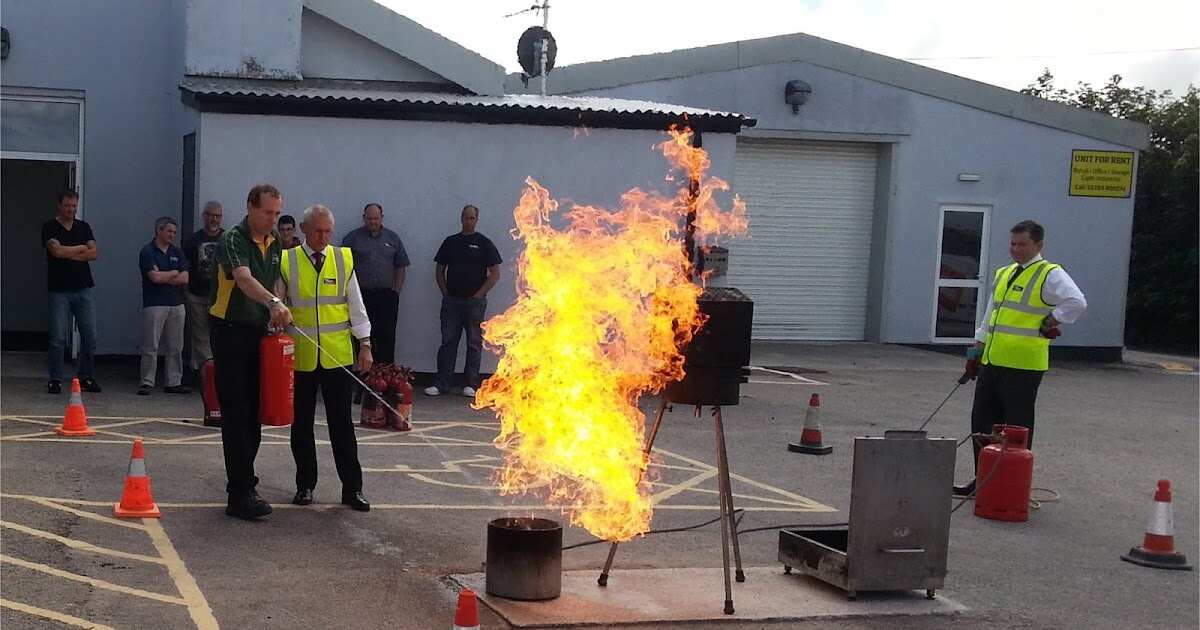
FSMs undergo rigorous training, including:
- SCDF-approved courses
- Workplace safety certifications
- Emergency response planning
Common Fire Hazards and Prevention Tips
- Overloaded power sockets – Avoid using multiple devices on a single outlet.
- Flammable materials – Store them properly.
- Blocked fire exits – Keep pathways clear at all times.
Cost of Hiring a Fire Safety Manager in Singapore
The cost varies based on:
- Building size and complexity
- Experience of the FSM
- Additional services provided
On average, hiring an FSM in Singapore ranges from SGD 1,500 to SGD 5,000 per month.
How FSMs Work with Emergency Response Teams?
During a fire, FSMs coordinate with firefighters, building occupants, and medical teams to ensure a swift and organized response.
The Future of Fire Safety Management in Singapore
With advancements in technology, FSMs are now integrating AI-powered fire detection systems and smart alarms for enhanced safety measures.
Customer Reviews and Testimonials
Many businesses and property owners commend FSM services for their proactive approach and efficiency in ensuring fire safety.
Conclusion
A Fire Safety Manager is an essential figure in ensuring the safety of people and property in Singapore. As fire hazards continue to be a concern, hiring a qualified FSM can make a significant difference. Whether you’re a business owner or a building manager, investing in the right FSM service ensures compliance with fire safety laws and provides peace of mind.
Looking for the best Fire Safety Manager service in Singapore? Choose wisely and stay safe!
FAQs About Fire Safety Managers
1. What qualifications should a Fire Safety Manager have?
FSMs should have SCDF-approved certifications and relevant workplace safety training.
2. Are Fire Safety Managers mandatory in Singapore?
Yes, under the Fire Safety Act, specific buildings are required to appoint an FSM.
3. Can a company train its own Fire Safety Manager?
Yes, but they must undergo SCDF-approved training and certification.
4. What are the penalties for not having an FSM?
Failure to appoint an FSM can result in fines and legal actions from SCDF.
5. How often should fire drills be conducted?
At least once every six months to ensure preparedness.


