Ensuring the safety of occupants and the integrity of assets is the primary responsibility of any building owner or facility manager. In the high-density urban environment of Singapore, fire safety is governed by rigorous standards and frequent regulatory updates. As we move through 2026, the Singapore Civil Defence Force (SCDF) has intensified its focus on proactive prevention, making a professional fire safety inspection service more critical than ever.
A fire safety inspection is not merely a “check-the-box” exercise for insurance or legal compliance; it is a life-saving protocol designed to identify vulnerabilities before they manifest into disasters. This article provides an in-depth exploration of the fire safety landscape in 2026, the technical requirements for different industries, and how to maintain a gold-standard safety profile.
Why Fire Safety Inspections Are Critical in 2026
The Singapore built environment is evolving. With the rise of “Green Buildings,” the integration of electric vehicle (EV) charging stations in car parks, and the use of complex sustainable materials, new fire risks have emerged. Traditional inspection methods are being replaced by high-tech, data-driven assessments.
The Shift Toward Predictive Safety
In 2026, the industry has shifted from reactive maintenance to predictive safety. A modern fire safety inspection service now utilizes thermal imaging, IoT-enabled sensor testing, and AI-driven risk modeling. These tools allow inspectors to detect overheating electrical components or pressure drops in fire mains long before a physical failure occurs.
Regulatory Pressure
The SCDF has updated the Fire Safety Act to include stiffer penalties for non-compliance. Building owners are now legally obligated to ensure that all fire protection systems—both active and passive—are in optimal working condition at all times. Failure to provide proof of regular inspections can lead to heavy fines, insurance claim denials, and even the suspension of business operations.
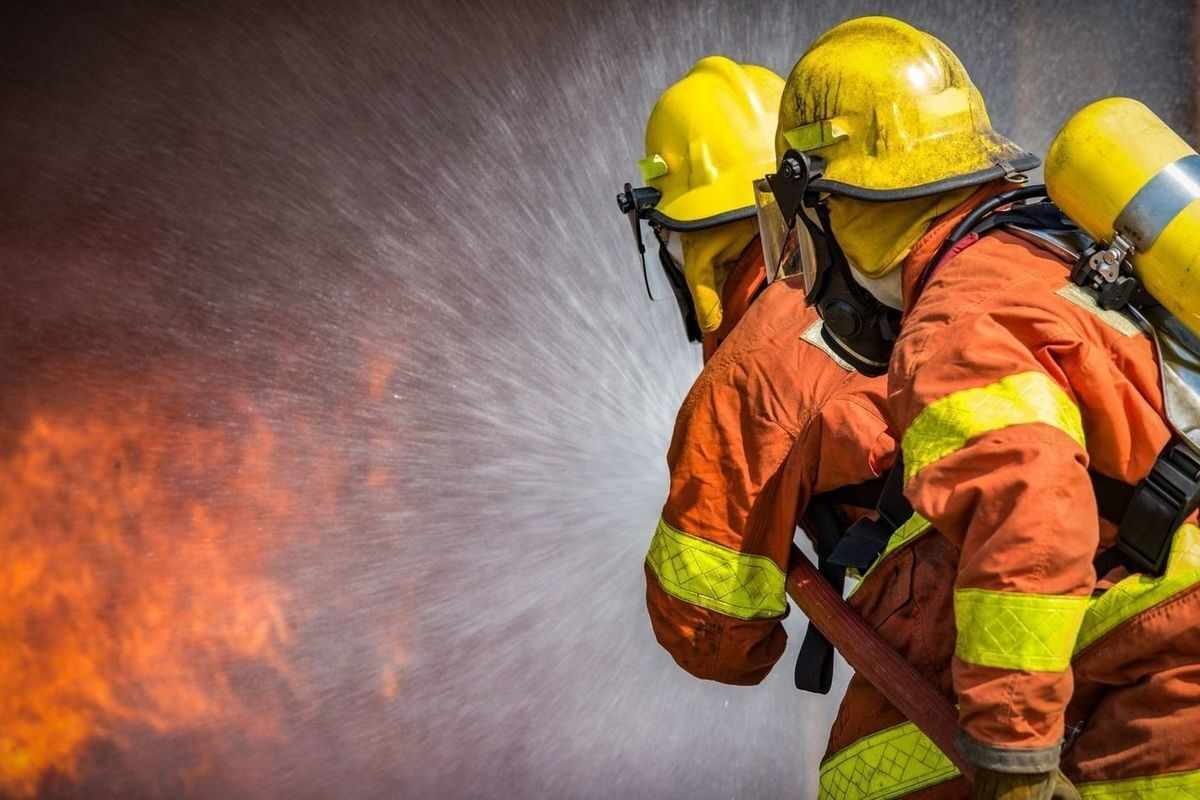
What Does a Comprehensive Fire Safety Inspection Cover?
A professional fire safety inspection service is exhaustive. It covers two main categories: Active Fire Protection Systems and Passive Fire Protection Systems.
1. Active Fire Protection Systems
These are systems that take action during a fire to alert occupants or extinguish the flames.
- Fire Alarm Systems: Testing smoke and heat detectors, manual call points, and alarm bells.
- Sprinkler Systems: Checking water pressure, flow switches, and ensuring sprinkler heads are not obstructed or painted over.
- Fire Extinguishers: Verifying pressure gauges, seals, and ensuring the correct type (CO2, Powder, Water) is placed in high-risk areas.
- Hose Reels and Hydrants: Ensuring they are accessible and provide the required water flow rate.
2. Passive Fire Protection Systems
These are structural components designed to contain fire and smoke within a specific compartment.
- Fire Doors: Checking for self-closing mechanisms, gaps, and fire-rated integrity.
- Fire Compartmentation: Inspecting walls and floors for breaches where cables or pipes pass through.
- Emergency Lighting and Exit Signs: Ensuring they remain illuminated for at least 90 minutes during a power failure.
- Escape Routes: Verifying that hallways and stairwells are completely free of storage and obstructions.
2026 Fire Safety Compliance Matrix
Different types of buildings have different inspection frequencies and requirements. The following table outlines the 2026 standards for various sectors in Singapore.
| Building Type | Inspection Frequency | Key Focus Area | Mandatory Requirement |
| Commercial (Malls/Offices) | Monthly/Quarterly | Smoke Control & Evacuation | Registered Fire Safety Manager (FSM) |
| Industrial (Factories/Warehouses) | Monthly | Hazardous Material Storage | Emergency Response Team (ERT) |
| Healthcare (Hospitals) | Monthly | Patient Evacuation Protocols | Specialized Fire Lifts |
| Residential (Condos) | Bi-Annually | Wet/Dry Risers & Hydrants | Annual Fire Drill |
| Data Centers | Quarterly | Gas Suppression Systems | High-Sensitivity Smoke Detection (HSSD) |
The Role of the Registered Inspector (RI)
In the Singapore construction landscape, the Registered Inspector (RI) plays a pivotal role. When a building undergoes new construction or major Additions & Alterations (A&A) works, an RI must be engaged to conduct a final inspection.
The RI’s job is to certify that the fire safety works have been installed according to the SCDF-approved plans. They provide the “Certificate of Inspection,” which is a prerequisite for the issuance of the Fire Safety Certificate (FSC). For many businesses, a specialized manpower supply of fire safety professionals is the most efficient way to ensure these technical roles are filled by qualified experts.
Common Fire Safety Hazards Identified During Inspections
Through our extensive experience in providing fire safety services, we have identified recurring hazards that often go unnoticed by building management:
- Obstructed Fire Escapes: Using stairwells or corridors as temporary storage for pallets or trash.
- Wedged-Open Fire Doors: Propping open fire doors for ventilation, which allows smoke to spread rapidly during an incident.
- Expired Extinguishers: Neglecting the annual servicing and hydro-testing of portable extinguishers.
- Modified Floor Plans: Adding partitions that block the path of smoke detectors or the “throw” of a sprinkler head.
- Faulty Exit Lighting: Batteries in emergency signs failing to hold a charge, leaving occupants in total darkness during a fire.
Integrating Technology: Smart Fire Inspections
The future of fire safety inspection service in Singapore is digital. In 2026, leading firms are adopting “E-Logbooks” and cloud-based reporting.
- QR Code Tracking: Every fire extinguisher and alarm panel is tagged with a QR code. When an inspector scans it, they can instantly view the entire maintenance history of that specific unit.
- Digital Twin Simulations: For complex buildings, inspectors use digital twins to simulate fire spread based on current structural conditions, allowing for highly targeted safety improvements.
- Drones for External Inspection: Drones equipped with thermal cameras are used to inspect the building’s facade and roof-mounted fire equipment, reaching areas that are difficult or dangerous for human inspectors.
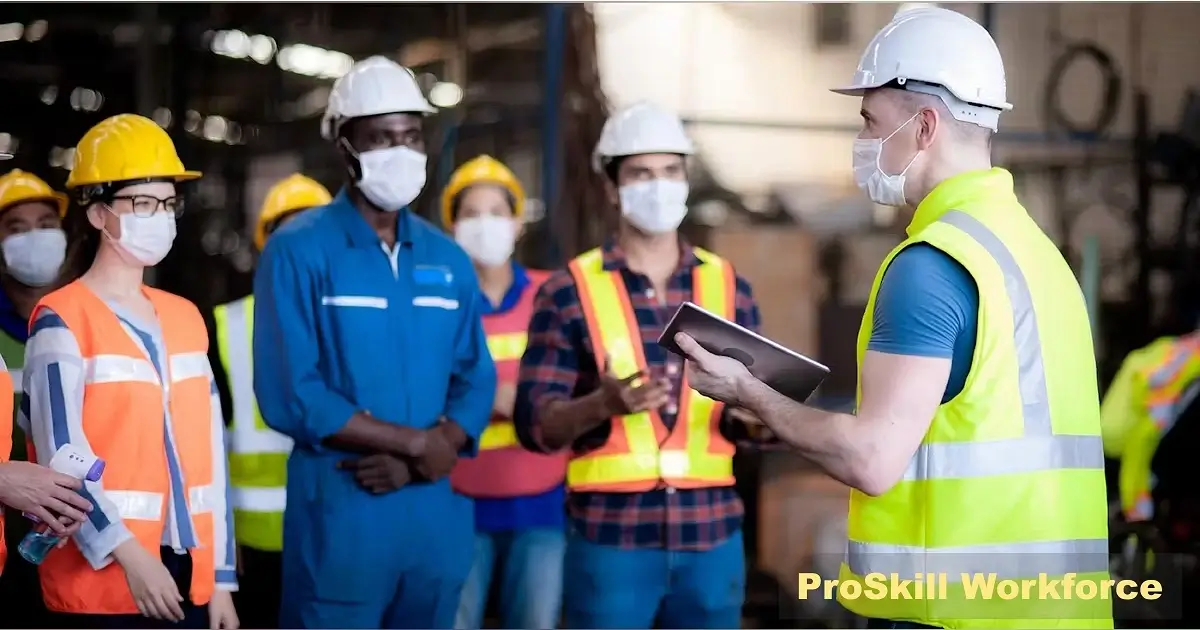
Why Choose Us for Your Fire Safety Inspection?
At Proskill Workforce, we understand that fire safety is about more than just compliance—it is about the peace of mind that comes from knowing your people are protected.
1. Unrivaled Technical Expertise
Our team consists of veteran fire safety managers and technical experts who are intimately familiar with the latest 2026 SCDF Fire Code. We don’t just find problems; we provide cost-effective engineering solutions.
2. Comprehensive Manpower Solutions
Whether you need a full-time Fire Safety Manager (FSM) or a specialized manpower supply for a large-scale industrial shutdown, we provide trained professionals who hit the ground running.
3. End-to-End Service
From the initial audit and system testing to SCDF paperwork and certification renewals, we handle the entire lifecycle of your fire safety needs. We act as your single point of contact for all regulatory authorities.
4. Strategic Location and Knowledge
Our deep roots in the local Singapore market allow us to respond quickly to emergency calls and stay ahead of local council requirements.
5. Transparent Reporting
Our clients receive detailed digital reports with photographic evidence of every inspection point. We provide a clear roadmap for rectifications, categorized by priority, so you can manage your maintenance budget effectively.
Frequently Asked Questions (FAQ)
How often is a fire safety inspection required in Singapore?
The frequency depends on your building type and usage. However, most commercial and industrial buildings require monthly visual inspections and an annual comprehensive system test to comply with SCDF regulations.
What is the difference between a Fire Safety Manager (FSM) and an Inspector?
A Fire Safety Manager is typically a dedicated individual (internal or outsourced) responsible for the daily safety operations of a building. An Inspector is a third-party professional who conducts periodic, detailed audits and system certifications.
Can I conduct my own fire safety inspection?
While building owners can perform basic daily checks, the SCDF requires certified professionals for the testing of fire protection systems (like sprinklers and alarms) and for the issuance of official safety certificates.
What happens if my building fails a fire safety inspection?
If hazards are found, our team will provide a rectification report. You will be given a specific timeframe to fix the issues. Once corrected, a re-inspection is performed to ensure everything is back in compliance.
How do I prepare for an SCDF enforcement visit?
The best preparation is a consistent fire safety inspection service. Ensure your Fire Safety Logbook is updated, all equipment is serviced, and your staff is trained in emergency evacuation procedures.
Does fire safety inspection affect my insurance premiums?
Yes. Most commercial insurers in Singapore offer lower premiums to buildings that can demonstrate a consistent history of professional fire safety audits and well-maintained protection systems.
Conclusion
As Singapore continues to grow as a global hub of commerce and innovation, the standards for safety will only continue to rise. A robust fire safety inspection service is the foundation of a resilient business. By identifying risks early, leveraging the latest technology, and maintaining strict compliance with SCDF regulations, you protect your most valuable assets: your people and your future.
Ensure your property is ready for the challenges of 2026. Contact Proskill Workforce today to schedule your comprehensive fire safety audit and join the ranks of Singapore’s most secure facilities.
Call: +65-8833 8400
Read: