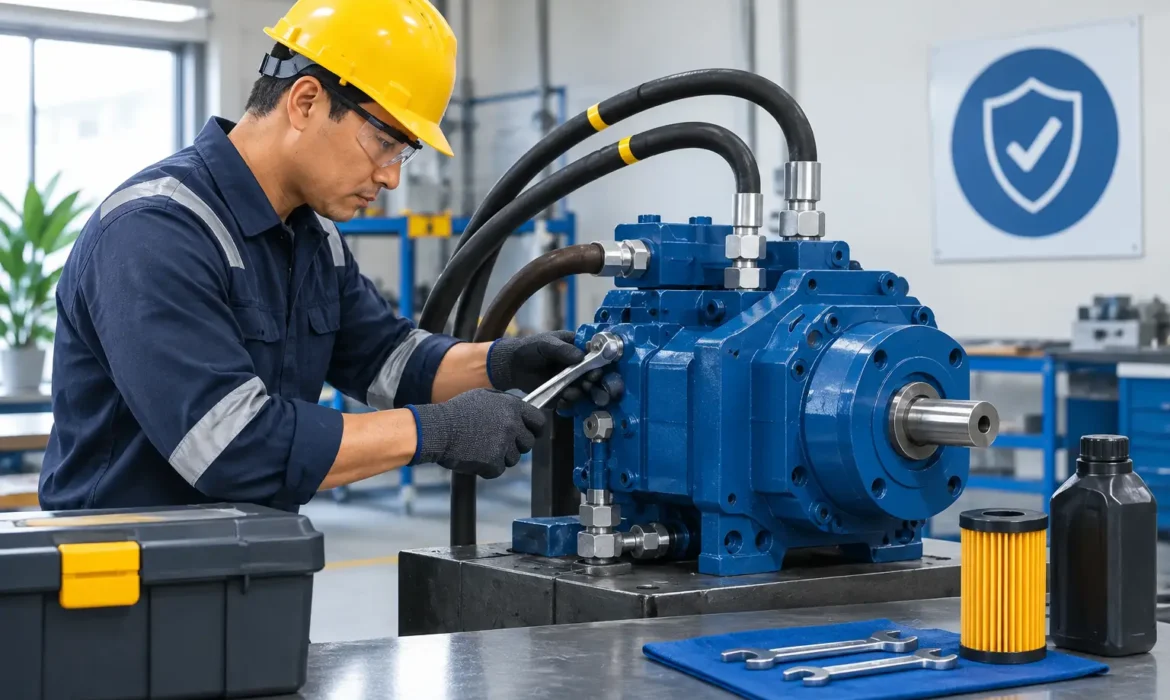
Hydraulic Pump Maintenance: A Practical Guide to Preventing Equipment Failure
A hydraulic pump can be the heart of an industrial machine, keeping production lines moving and construction equipment operating. But when a pump starts losing pressure, overheating, or making unusual noises, a minor issue can quickly turn into costly repairs and unexpected downtime.
The good news is that many hydraulic pump problems show early warning signs. With regular inspections, proper fluid management, and timely maintenance, businesses can protect their equipment and keep operations running smoothly.
For businesses in Singapore’s construction, marine, manufacturing, and industrial sectors, hydraulic pump maintenance is an important part of equipment reliability, cost control, and workplace safety.
- Recognise the Warning Signs
Hydraulic pumps often show signs of deterioration before failure. Common warning signs include:
Unusual noise or vibration: May indicate cavitation, air entering the system, or mechanical wear.
Overheating: Can result from internal leakage, incorrect pressure settings, or cooling problems.
Slow machine movement: May indicate reduced hydraulic flow, clogged filters, or other system faults.
Oil leaks: Damaged seals, loose fittings, or excessive pressure can cause leakage.
Unstable pressure: May affect machine performance and signal a developing fault.
Identifying these symptoms early allows technicians to investigate the cause before more serious damage occurs.
- Follow Essential Maintenance Practices
A preventive maintenance programme should include regular inspections, fluid checks, and performance monitoring.
Check hydraulic fluid: Contaminated oil can damage pump components and reduce efficiency. Check fluid levels, inspect filters, and use appropriate filtration when transferring or topping up oil.
Monitor pressure and temperature: Record normal operating readings and investigate unusual changes. Ensure cooling systems work properly and the pump operates within the manufacturer’s specifications.
Inspect hoses and connections: Check for leaks, damaged hoses, worn seals, and loose fittings. Address defects promptly using suitable replacement parts.
Maintain accurate records: Document inspections, repairs, and recurring faults to identify trends and plan future maintenance.
- Make Safety a Priority
Hydraulic systems can retain dangerous pressure even after equipment has stopped. Before maintenance, isolate energy sources, release stored pressure using approved procedures, and apply lockout/tagout controls where required.
Never use your hands to locate a high-pressure hydraulic leak. Hydraulic fluid penetrating the skin can cause serious injuries requiring immediate emergency medical attention.
Maintenance personnel should have the appropriate skills, tools, and knowledge of site safety procedures.
- How ProSkill Workforce Supports Businesses
ProSkill Workforce Pte Ltd provides qualified manpower and subcontracting services to support industrial maintenance, equipment installation, and other project requirements in Singapore. We work with businesses to supply suitable personnel based on the scope of work, required skills, and project needs.
Whether you need additional manpower for hydraulic pump maintenance, equipment servicing, or industrial installation works, ProSkill Workforce can support your project as a subcontractor by providing suitably qualified personnel to carry out the required work safely and efficiently.
By engaging ProSkill Workforce, businesses can access flexible manpower support, manage project workloads, and keep their operations on schedule.
Conclusion
Regular hydraulic pump maintenance helps reduce unexpected breakdowns, control repair costs, and improve equipment reliability. By recognising warning signs, maintaining clean hydraulic fluid, and following safe work procedures, businesses can protect their equipment and minimise operational disruptions.
Need manpower or workplace safety support in Singapore?
Contact ProSkill Workforce Pte Ltd to discuss your business requirements.
Website: https://proskillworkforce.com/
Email: inquiry@proskillworkforce.com