
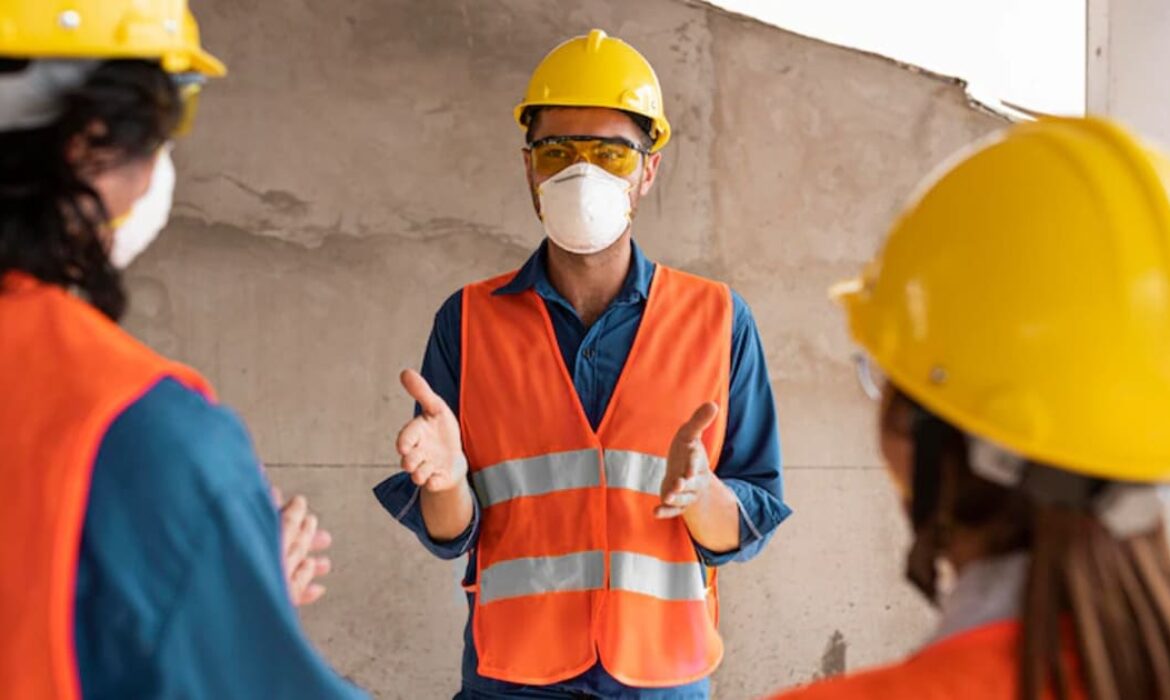
Understanding Workplace Safety and Health
Definition and Importance of Workplace Safety
Workplace safety and health, often abbreviated as WSH, encompasses the practices, procedures, and regulations designed to protect employees from workplace hazards and prevent occupational safety-related injuries and illnesses. The importance of WSH cannot be overstated. A safe and healthy work environment enhances employee morale, reduces absenteeism, and boosts productivity. It also ensures compliance with health and safety regulations, minimizing legal liabilities and reputational damage. Effective safety and health management includes implementing safety protocols, conducting regular risk assessments, and providing adequate training to all employees. This proactive approach is crucial for creating a culture of safety within the workplace. Neglecting WSH can lead to severe consequences, including accidents, injuries, and even fatalities, highlighting the need for robust safety measures.
Key Roles: WSH Officers and Coordinators
Within the realm of workplace safety and health, WSH officers (WSHOs) and workplace safety and health coordinators (WSHCs) play pivotal roles. A WSHO, sometimes also referred to as a safety professional, is responsible for developing, implementing, and monitoring WSH programs to ensure regulatory compliance. They conduct risk assessments, investigate accidents, and provide guidance on safety practices. On the other hand, WSHCs assist in implementing safety procedures and act as a liaison between management and employees, promoting a culture of safety at the ground level. In Singapore, these roles are legally mandated for certain industries to maintain high standards of occupational safety. Additionally, roles such as the fire safety manager, environmental control officer (ECO), and other environmental health specialists contribute to a holistic safety and health management system, covering aspects from fire safety to environmental control.
Common Workplace Hazards in Singapore
Singapore’s diverse service sectors present a variety of workplace hazards that necessitate stringent safety measures. Construction sites often face risks associated with work at heights, heavy machinery, and falling objects. Manufacturing facilities may encounter hazardous chemicals, machinery-related injuries, and ergonomic issues. Even office environments are not immune, with potential hazards including slips, trips, falls, and poor air quality. To mitigate these risks, comprehensive risk assessment processes are essential. These assessments identify potential hazards, evaluate their severity, and implement appropriate control measures to ensure a compliant workplace. Furthermore, it is vital to have established emergency response plans in place to address unforeseen incidents effectively. Addressing these workplace hazards requires a proactive approach, focusing on prevention and preparedness to ensure the well-being of all employees.
 Benefits of Outsourcing Workplace Safety
Cost-Effectiveness of Outsourcing Services
One of the primary advantages of choosing to outsource your workplace safety and health needs is the potential for significant cost savings. Maintaining an in-house team of WSH professionals, including a workplace safety and health officer (WSHO), fire safety manager, and environmental control officer (ECO) can be expensive, considering salaries, benefits, training, and other overhead costs. Outsourcing solutions allow companies in Singapore to access expertise only when needed, optimizing resource allocation and reducing the contract sum. Furthermore, the enhanced efficiency and regulatory compliance achieved through outsourcing services can minimize the risk of costly accidents, fines, and legal liabilities, contributing to long-term financial stability and helping meet the goals and objectives of the company.
Access to Expertise from Safety Professionals
By choosing to outsource workplace safety and health, businesses gain access to a team of highly skilled and experienced safety professionals who are up-to-date with the latest health and safety regulations and best practices. These WSH professionals bring a wealth of knowledge and specialized expertise in areas such as risk assessment, emergency response planning, and regulatory compliance. They can provide objective assessments of the workplace, identify potential workplace hazards, and develop tailored safety protocols to mitigate these risks. This level of expertise can be difficult to attain and maintain in-house, especially for smaller companies in Singapore with limited resources. The insights provided by qualified outsourced WSHOs ensure a safer and more compliant work environment.
Improvement of Safety Standards and Compliance
Outsourcing your workplace safety and health functions can lead to a significant improvement in safety standards and regulatory compliance. A dedicated WSH outsourcing partner will work to implement and maintain a robust safety and health management system. This system includes comprehensive safety procedures, regular audits, and continuous improvement initiatives. The expertise of WSH professionals ensures that your company meets all relevant health and safety regulations in Singapore, reducing the risk of fines and legal issues. The fire safety aspects will be better handled by the fire safety manager, and the environmental control officer will ensure the environmentally compliant workplace, improving overall workplace safety and health management. Furthermore, a safer work environment enhances employee morale and productivity.
Choosing the Right EHS Outsourcing Partner
Criteria for Selecting a Trusted Safety Consultant
Selecting a reliable EHS outsourcing partner is vital for ensuring workplace safety and health, particularly in Singapore. Key criteria should include a proven track record of compliance and a deep understanding of local health and safety regulations. Look for a firm with experienced safety professionals, including a workplace safety and health officer (WSHO) and fire safety manager, who can effectively conduct risk assessments and develop tailored safety protocols. The prospective consultancy’s approach to safety outsourcing should align with your company’s goals and objectives. Additionally, verify their certifications and affiliations to ensure they meet the highest standards of occupational safety and environmental health. Ultimately, the right partner will enhance your workplace safety and health management system and foster a safer work environment.
Evaluating the Experience of Safety Professionals
When evaluating potential safety professionals for WSH outsourcing, carefully examine their experience and qualifications. Look for workplace safety and health officer (WSHO) and environmental control officer (ECO) certifications relevant to Singapore’s regulatory requirements. Consider their experience in similar service sectors or industries, as specific hazards may vary. Ask for case studies or references to assess their success in improving workplace safety and health management for other clients. It’s also important to evaluate their communication skills and ability to conduct effective safety training. Ensure that the safety professional understands the importance of regulatory compliance and can implement safety measures that align with your company’s goals and objectives. A well-qualified and experienced WSHO brings invaluable expertise to your workplace.
Understanding the Role of WSHC and WSHOs in Outsourcing
Understanding the distinct roles of workplace safety and health coordinators (WSHC) and workplace safety and health officer (WSHO) is crucial when considering WSH outsourcing. The WSHO, acting as a safety professional, typically oversees the development and implementation of the safety and health management system, ensuring regulatory compliance. On the other hand, the WSHC assists in implementing safety procedures and acts as a liaison between management and employees, promoting a safety culture at the ground level. When you outsource workplace safety and health, ensure that your outsourcing solutions provide access to both WSHOs and WSHCs to cover all aspects of workplace safety. Their combined expertise will enhance your workplace safety and health management, creating a compliant and safer work environment for all employees. A well-defined approach ensures the effective implementation of safety practices and helps in achieving your safety goals and objectives.
Implementing Safety Outsourcing in Your Work Environment
Steps for Effective Integration of Outsourced Services
Integrating outsourced services for workplace safety and health (WSH) requires a strategic approach. It begins with a few key steps:
- Conducting a thorough risk assessment to identify specific workplace hazards and areas needing improvement.
- Defining clear goals and objectives for the safety outsourcing arrangement, ensuring they align with your company’s broader health and safety objectives.
Following these steps, select an outsourcing services partner with the necessary expertise and a proven track record of regulatory compliance in Singapore. Develop comprehensive safety protocols and clearly communicate them to all employees. Establish regular communication channels between your in-house team and the outsourced WSH professionals to ensure seamless coordination. Regularly review and adjust your safety procedures to maintain a compliant and safe work environment.
Training and Coordination with Workplace Safety and Health Coordinators
Effective safety training and coordination are crucial when outsourcing workplace safety and health. Ensure that all employees receive adequate training on the new safety protocols implemented by the outsourcing solutions provider. Workplace safety and health coordinators (WSHC) play a vital role in facilitating this training and ensuring that safety practices are followed consistently. The WSHC should work closely with the outsourced WSH professionals, including the workplace safety and health officer (WSHO), to implement and monitor safety procedures. Regular meetings and open communication channels are essential to address any concerns or issues promptly. The training should also cover emergency response procedures and the use of safety equipment, fostering a proactive safety culture.
Monitoring and Evaluating the Effectiveness of Safety Programs
Continuous monitoring and evaluation are essential to ensure the effectiveness of outsourced safety programs. Regularly audit workplace safety and health practices to identify any gaps or areas for improvement. Collect data on accidents, injuries, and near misses to track the impact of the safety measures. Conduct regular risk assessments to identify new workplace hazards and adjust safety protocols accordingly. Seek feedback from employees to understand their perceptions of safety in the work environment. The outsourcing services provider should provide regular reports on their performance, including compliance rates and the effectiveness of safety interventions. Use this information to refine your safety procedures and ensure that your company consistently meets its safety goals and objectives.
 Why Choose Proskill Workforce Pte Ltd For Outsourcing Workplace Safety and Health Professionals Singapore?
Proskill Workforce Pte Ltd offers trusted outsourcing solutions in Singapore for companies seeking to outsource workplace safety and health professionals, providing highly qualified WSH professionals, workplace safety and health officers (WSHO) and workplace safety and health coordinators to ensure a safe working environment and regulatory compliance across service sectors such as shipyard, engineering construction and factories; our consultancy delivers tailored safety and health management systems, risk assessment, emergency response planning and fire safety management with experienced professionals including environmental control officers (ECO) and fire safety managers to manage environmental health, environmental control and occupational safety.
We help organisations achieve their goals and objectives through safety outsourcing and safety and health management that makes workplaces fully compliant with local regulations and health and safety regulations, offering training courses, safety protocols, safety procedures, risk control measures and proactive approaches to minimize workplace hazards and workplace accidents while advising on contract sum, human resource coordination and building operations to maintain safety standards and ensure compliance with WSHC, WSHO, WSHOS and EHS requirements. Choose Proskill for a proactive, compliant, and comprehensive safety outsourcing partner that combines knowledge and skills, trusted safety practices and tailored outsourcing services to manage unique challenges, assess risk level, implement safety measures for work at heights and create a sustainable culture of safety and compliance in-house or as a managed service.
Addressing Specific Safety Concerns
Fire Safety Management in Outsourced Services
Fire safety is a critical aspect of workplace safety and health, and outsourcing fire safety management can provide significant benefits. Ensure that your outsourcing solutions include a qualified fire safety manager responsible for developing and implementing fire safety protocols. The fire safety manager should conduct regular fire risk assessments, develop emergency response plans, and coordinate fire drills. The outsourcing services provider should also ensure that all fire safety equipment, such as fire extinguishers and smoke detectors, is properly maintained and inspected. All employees should receive adequate fire safety training, including evacuation procedures and the use of fire-fighting equipment. Adhering to fire safety regulations and best practices is essential for protecting lives and property, maintaining a compliant and safe work environment.
Safety Protocols for Work at Heights
Work at heights poses significant workplace hazards, particularly in service sectors like construction and maintenance. Outsourcing solutions should include specific safety protocols for work at heights, ensuring regulatory compliance and minimizing the risk of accidents. The WSH professionals should conduct thorough risk assessments to identify potential hazards associated with work at heights. Implement fall protection measures, such as safety harnesses, guardrails, and safety nets. Provide adequate training to employees on the safe use of equipment and procedures for working at heights. Regularly inspect all equipment used for work at heights to ensure it is in good working condition. Proper planning and adherence to safety protocols are crucial for preventing falls and ensuring the safety of workers performing tasks at heights.
Environmental Control and Compliance with EHS Standards
Environmental control and compliance with EHS standards are vital aspects of workplace safety and health. Outsourcing services can help companies in Singapore manage environmental risks and ensure regulatory compliance. An environmental control officer (ECO) should be responsible for monitoring and controlling environmental hazards, such as air and water pollution. Implement waste management programs to minimize environmental impact and promote sustainability. Ensure compliance with environmental regulations related to hazardous materials and waste disposal. Conduct regular audits to assess environmental performance and identify areas for improvement. Provide training to employees on environmental health and safety practices. Effective environmental control not only protects the environment but also contributes to a healthier and safer work environment for all employees, fulfilling the goals and objectives of the company.
FAQ:
Q: What is wsho and how does a workplace safety and health officer fit into EHS & safety outsourcing services?
A: wsho stands for Workplace Safety and Health Officer, a role often supplied by consultancy firms as part of EHS & safety outsourcing services. These experienced professionals take responsibility for safety and compliance, develop safety policies, run training courses, and help ensure operations in factories, shipyard, engineering construction, and building operations are fully compliant with local regulations.
Q: Why should my company consider wsh outsourcing to a consultancy for risk control and safety and compliance?
A: Outsourcing wsh to a consultancy brings highly qualified experts who provide specialised risk control, reduce workplace accidents, and deliver scalable solutions for unique challenges. It’s cost-effective compared with hiring full-time human resource staff for every role, and it ensures access to up-to-date knowledge and skills and compliance with local regulations.
Q: Can a fire safety manager from an external provider handle building operations and emergency planning?
A: Yes. A fire safety manager supplied by an EHS consultancy can manage fire risk assessments, design evacuation plans, coordinate drills, and integrate fire safety into broader building operations. They bring focused expertise to meet regulatory requirements and reduce risk level across facilities including factories in which 100+ workers may be present.
Q: How does an environmental control officer improve eco performance and compliance in industrial settings?
A: An environmental control officer from a consultancy monitors emissions, manages waste and water controls, conducts compliance audits, and implements eco best practices. They help businesses meet environmental local regulations, lower environmental risk level, and support sustainable operations across sectors such as engineering construction and shipyard activities.
Q: What training course options do wsh professionals provide when outsourced, and how do they build knowledge and skills?
A: Outsourced wsh professionals offer tailored training courses in hazard identification, permit-to-work, confined space entry, and emergency response. These training courses improve knowledge and skills, reduce workplace accidents, and are adapted to the industry—whether factories, shipyard, or construction—ensuring staff are competent and fully compliant.
Q: How do consultancy providers demonstrate they are highly qualified and suitable for our unique challenges?
A: Reputable consultancies supply CVs and certifications of experienced professionals, case studies from similar projects (e.g., engineering construction or shipyard), references, and audit reports. They perform initial risk assessments to show understanding of your unique challenges and propose measurable outcomes for safety and compliance improvements.
Q: What are the costs and benefits of outsourcing WSH roles versus hiring an in-house human resource dedicated to safety?
A: Outsourcing often reduces upfront costs, provides access to a wider pool of expertise, and allows flexible scaling based on risk level and project needs. Hiring in-house human resource staff adds continuity but may require higher long-term investment in training and certifications. Many organisations use a hybrid model: outsourced consultancy for specialised functions and in-house staff for day-to-day oversight.
Q: How can outsourcing help maintain full compliance with local regulations like wsho in Singapore or other jurisdictions?
A: Outsourced consultancies keep up with changing regulatory requirements such as wsho in Singapore, provide compliance audits, update safety policies, and implement corrective actions. Their expertise ensures documentation, reporting, and certification are maintained so your operations remain fully compliant and resilient against inspections or incidents.
Call: +65-8833 8400
Read:


