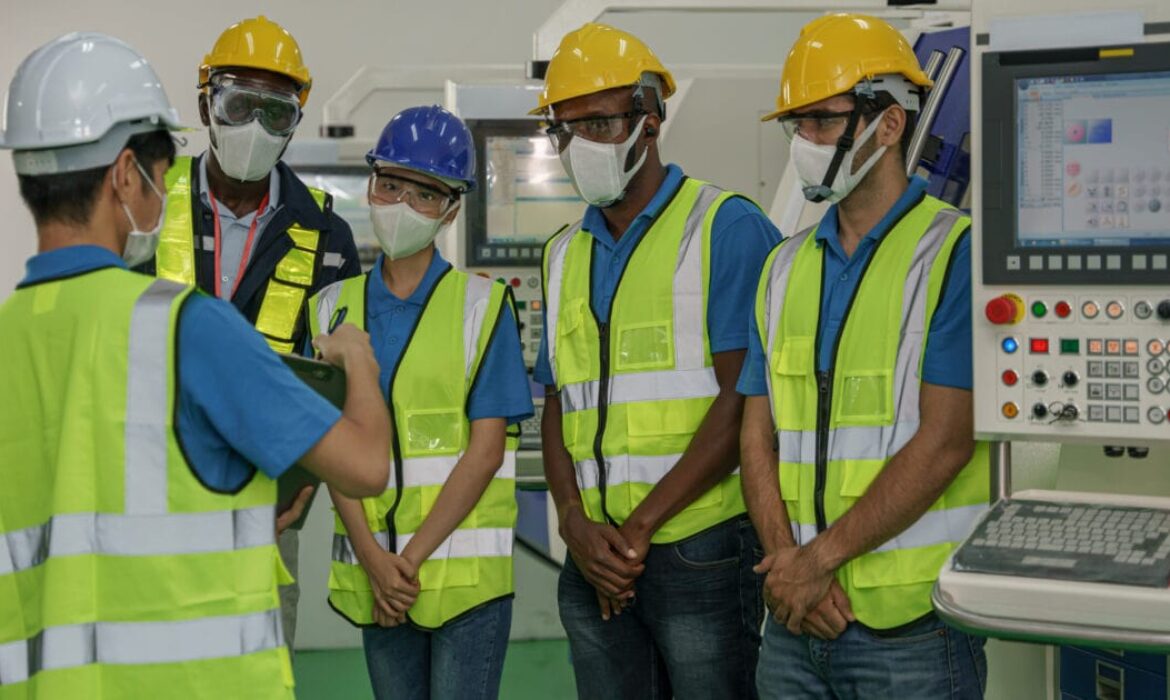
The landscape of construction manpower supply in Singapore is undergoing a seismic shift in 2026. As the city-state pushes forward with ambitious infrastructure projects like Changi Airport Terminal 5 and the Cross Island Line, the demand for a skilled, tech-savvy workforce has never been higher. However, with tightening labor policies and a 15% industry-wide manpower shortfall, construction firms are facing unprecedented challenges in sourcing reliable talent.
In this guide, we explore the essential strategies for navigating the construction manpower supply Singapore market, ensuring your projects remain on schedule and compliant with the latest Ministry of Manpower (MOM) regulations.
The State of Singapore’s Construction Workforce in 2026
The Singapore construction sector is no longer just about manual labor; it is a high-tech industry driven by digitalization and sustainability. The Building and Construction Authority (BCA) has projected construction demand to reach up to S$38 billion this year, creating a “war for talent” that requires strategic planning.
Key Trends Shaping the Industry:
- Digital Transformation: Expertise in Building Information Modeling (BIM) and Digital Twin technology is now a prerequisite for most government-linked projects.
- Sustainability Imperatives: With the Singapore Green Plan 2030 in full swing, there is a surging demand for workers skilled in green engineering and carbon-neutral building practices.
- Automation & Robotics: To counter the labor shortage, firms are increasingly adopting on-site robotics for painting, drilling, and quality inspections.
Navigating MOM Regulations: Work Permits and Levies
Employing foreign workers in Singapore requires a deep understanding of the Dependency Ratio Ceiling (DRC) and the Foreign Worker Levy. As of July 1, 2026, new regulations have come into effect regarding the Local Qualifying Salary (LQS) and age limits for migrant workers.
2026 Manpower Regulatory Table
| Feature | Regulation Detail (Effective 2026) | Impact on Employers |
| Local Qualifying Salary (LQS) | Increased from $1,600 to $1,800 | Affects quota calculations for foreign workers. |
| Max Employment Age | Raised from 63 to 64 years old | Allows for retention of experienced senior workers. |
| R1/R2 Ratio | Min 10% of WP holders must be Higher-Skilled (R1) | Forces a focus on upskilling existing staff. |
| Dependency Ratio (DRC) | Capped at 83.3% for Construction | Requires 1 local employee for every 5 Work Permit holders. |
| Foreign Worker Levy (NTS) | Tiered based on skill (approx. $500–$900) | Higher costs for unskilled (R2) labor. |
Sourcing from Approved Countries
To maintain a stable manpower supply, firms can source workers from:
- Malaysia
- North Asian Sources (NAS): Hong Kong, South Korea, Taiwan.
- Non-Traditional Sources (NTS): Bangladesh, India, Myanmar, Philippines, and Thailand.

The Strategic Importance of Skilled Manpower Supply
A reliable construction manpower supply Singapore partner does more than just fill seats. They provide “future-ready” workers who can operate within the Built Environment Industry Transformation Map (ITM).
1. Reducing Operational Downtime
Project delays in Singapore can lead to heavy liquidated damages (LDs). A specialized manpower agency ensures that every worker arrives with the necessary Construction Safety Orientation Course (CSOC) certifications, allowing them to hit the ground running on day one.
2. Specialized Technical Roles
Beyond general laborers, the 2026 market demands specialized roles:
- BIM Modellers & Coordinators: For integrated digital delivery.
- DfMA Specialists: For Design for Manufacturing and Assembly.
- WSH Officers: To ensure compliance with the latest Workplace Safety and Health (WSH) circulars.

Why Choose Proskill Workforce for Your Construction Needs?
In a competitive market, you need a partner that understands the local nuances of the Singapore construction landscape.
- Compliance Guaranteed: We stay updated on every MOM and BCA policy change, from levy adjustments to the new 2026 LQS benchmarks, so you don’t have to.
- Skilled Talent Pool: Our workers are rigorously vetted for technical proficiency and safety awareness.
- End-to-End Management: From work permit applications and security bonds to medical insurance and housing, we handle the logistics.
- Industry Expertise: We have a proven track record of supporting large-scale residential, commercial, and civil engineering projects across the island.
- Flexible Scaling: Whether you need a small team of specialized welders or a large contingent of general workers, we scale according to your project milestones.
Sustainable Manpower: The Future of Singapore Construction
The 2026 budget has introduced incentives for firms that invest in robotic and AI technologies. However, technology is only as good as the people operating it. The current “Grow Your Own” strategy involves hiring workers with high potential and putting them through intensive certification courses.
“The companies that will thrive in 2026 are not the ones complaining about a labor shortage. They are the ones who recruit strategically and automate intelligently.”
By partnering with a dedicated manpower supply agency, you gain access to a resilient workforce that can navigate the complexities of modern engineering.
Frequently Asked Questions (FAQ)
How has the 2026 Budget affected construction manpower costs?
The increase in the LQS to $1,800 and the rising Foreign Worker Levy (FWL) for unskilled (R2) workers have increased the baseline cost of labor. Companies are encouraged to transition workers to “Higher-Skilled” (R1) status to enjoy lower levy rates.
What safety courses are mandatory for new workers?
All migrant workers in the construction sector must complete the Apply Workplace Safety and Health in Construction Sites course (formerly CSOC) within two weeks of arrival and pass it within three months.
Can I hire construction workers from any country?
No. MOM only allows recruitment from approved source countries, including Malaysia, NAS (e.g., South Korea, Taiwan), and NTS (e.g., Bangladesh, India, Myanmar).
How do I upgrade a worker from R2 to R1 status?
Workers can be upgraded to R1 (Higher-Skilled) by passing recognized skills tests, attaining specific academic qualifications, or reaching a minimum salary threshold combined with years of experience in Singapore.
Conclusion
Securing a consistent construction manpower supply in Singapore requires a blend of regulatory knowledge, strategic sourcing, and a focus on worker welfare. As we move through 2026, the focus is clearly on quality over quantity. By prioritizing skilled labor and complying with evolving MOM standards, your firm can turn the current manpower challenge into a significant competitive advantage.
For expert assistance in scaling your project team, visit Proskill Workforce today and let us build the future together.
Call: +65-8833 8400
Read: